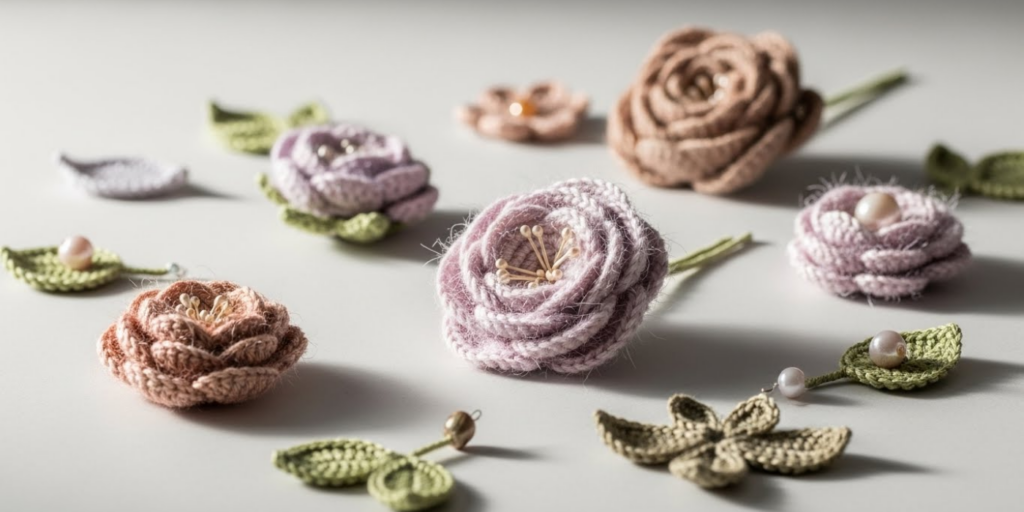
Imagine turning a simple scarf into a spring bouquet, transforming a plain baby hat into a garden of soft petals, or giving a tote bag a pop of handmade whimsy—all with just a hook, some yarn, and a few extra rounds of stitches. That’s the magic of 3D crochet flowers and embellishments.
Unlike flat appliqués, three-dimensional crochet elements add texture, depth, and visual interest to your work. They’re not just decorative—they tell a story, evoke emotion, and personalize your makes in ways that mass-produced trims never can. And the best part? You don’t need advanced skills to start creating them. With just basic stitches like single crochet, double crochet, and slip stitch, you can craft stunning floral accents that look far more complex than they are.
In this guide, we’ll explore why 3D embellishments are worth your time, walk through beginner-friendly techniques, share tips for choosing colors and yarns, and offer creative ways to use these tiny treasures—from fashion to home décor. Whether you’re a seasoned crocheter looking to level up or a newbie eager to add flair to your first finished piece, you’ll find inspiration and practical advice to bring your projects to life.
Let’s bloom together.
Why 3D Embellishments Are More Than Just “Pretty Add-Ons”
At first glance, 3D crochet flowers might seem like purely decorative extras—nice to look at, but nonessential. But dig a little deeper, and you’ll see they serve real creative and functional purposes.
For one, they elevate handmade items. In a world full of fast fashion and identical store-bought goods, a crocheted flower instantly signals care, craftsmanship, and individuality. A plain market bag becomes a statement piece. A simple headband turns into a wearable work of art.
Moreover, 3D embellishments are fantastic for fixing “oops” moments. Dropped a stitch you can’t quite unravel? Cover it with a cleverly placed blossom. Uneven tension on one side of a blanket? Add a cluster of leaves to draw the eye away. Think of them as your crochet “eraser”—disguising flaws with beauty.
They’re also wonderful for using up scrap yarn. Those leftover bits from past projects? Perfect for tiny petals or centers. Not only does this reduce waste, but mixing colors from different dye lots can give your flowers a charming, hand-dyed look.
Finally, making 3D elements is a low-pressure way to practice new techniques. Since most flowers take less than 30 minutes to complete, they’re ideal for experimenting with increases, decreases, or color changes without the commitment of a full garment.
In short: 3D crochet embellishments aren’t just cute—they’re clever, economical, and creatively empowering.
Getting Started: Essential Stitches and Beginner-Friendly Flower Patterns
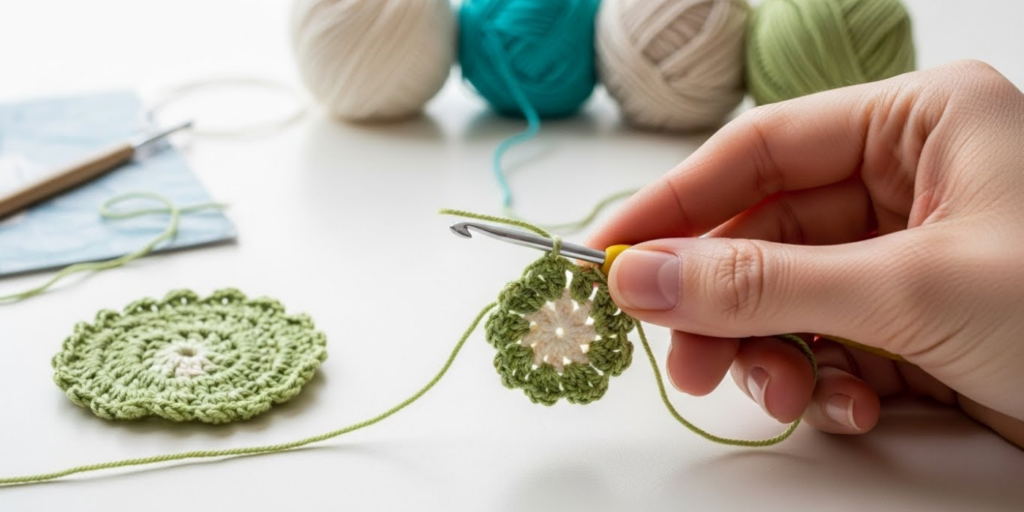
The great news? You likely already know everything you need to start making 3D flowers.
Most beginner-friendly 3D crochet flowers rely on just three basic stitches:
- Chain (ch)
- Single crochet (sc)
- Double crochet (dc)
More advanced versions might include treble crochet or popcorn stitches for extra puff—but you can absolutely create gorgeous, dimensional blooms without them.
A classic starting point is the 5-petal flower, often worked in the round:
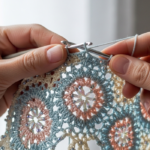
- Start with a magic ring (or ch-4 and join).
- Work a set number of dc stitches into the ring (e.g., 10–12).
- Chain 3–5 (this forms the “stem” of the petal).
- Slip stitch into the ring.
- Single crochet into the ring.
- Repeat steps 3–5 to form each petal.
This simple repeat builds a flower that naturally curls upward, creating dimension without stuffing or wiring.
Pro tip: Use a slightly smaller hook than recommended for your yarn. Tighter stitches help petals hold their shape and prevent floppiness.
Another easy option is the rose swirl: start with a long foundation chain, then work rows of dc or hdc back down the chain, rolling it as you go. Secure the spiral with a few stitches, and—voilà!—a romantic rose appears.
Look for free patterns labeled “beginner 3D crochet flower” on trusted sites like Ravelry, AllFreeCrochet, or YouTube. Many include video tutorials, which are invaluable for visual learners.
Choosing the Right Yarn and Colors for Maximum Impact
Not all yarns behave the same when it comes to 3D work. The fiber, weight, and texture you choose dramatically affect how your flower looks and holds its shape.
Cotton yarn (like Lion Brand 24/7 Cotton or Scheepjes Catona) is a top pick. It’s sturdy, holds stitches crisply, and doesn’t stretch out—perfect for petals that need structure. Mercerized cotton adds a subtle sheen that mimics real flower silk.
Acrylic works well too, especially for softer, more flexible blooms like daisies or peonies. Just avoid fuzzy or “eyelash” yarns—they hide stitch definition and make petals look muddy.
As for weight, fingering (#1) or sport (#2) yarns are ideal for delicate flowers, while worsted (#4) creates bold, statement blooms. For tiny embellishments (like on baby booties), go even lighter—lace or thread crochet cotton gives exquisite detail.
Now, about color: don’t feel limited to pinks and yellows! Earthy tones like sage green or terracotta make stunning modern florals. Monochromatic flowers in varying shades of one hue add sophistication. And don’t forget variegated yarns—they can mimic the natural gradients found in real petals.
Bonus idea: Use two colors—one for petals, one for the center—to add contrast and visual pop. A bright yellow center on a lavender flower? Instant charm.
Creative Ways to Use 3D Crochet Flowers (Beyond the Obvious)
Yes, you can sew a flower onto a hat or scarf—but why stop there? 3D crochet embellishments are incredibly versatile. Here are some fresh, practical ideas to spark your imagination:
- Jewelry: Attach a small flower to an earring post, hairpin, or bracelet. Use metallic thread or beads in the center for extra glam.
- Gift Toppers: Skip the bow—top a wrapped present with a handmade bloom. It becomes part of the gift!
- Home Décor: Glue flowers to curtain tiebacks, lampshades, or pillow corners. Create a wall hanging by arranging blooms into a floral wreath.
- Seasonal Accents: Swap out flowers for holidays—red poinsettias for Christmas, pastel daffodils for Easter, orange marigolds for fall.
- Fashion Embellishments: Add clusters to shoe laces, purse straps, or denim jacket pockets. They’re removable and customizable.
- Memory Keepsakes: Crochet a flower in a loved one’s favorite color and frame it—or include it in a shadow box with a handwritten note.
One of the most touching uses? Charity projects. Many organizations that provide chemo caps or NICU blankets welcome handmade flowers, as they offer comfort and dignity to recipients. A tiny bloom can carry a huge emotional message.
The key is to think beyond the surface. Your 3D flowers aren’t just decorations—they’re tiny acts of creativity that can brighten someone’s day, elevate your style, or turn ordinary objects into heirlooms.
Pro Tips for Making Your Flowers Look Professional
Even simple flowers can look polished with a few smart techniques. Here’s how to take your 3D embellishments from “cute” to “wow”:
- Block your flowers. After finishing, lightly steam or wet-block them to set the shape. Pin petals gently into place while damp, and let dry. This gives uniformity—especially important if making multiples.
- Add centers with beads or French knots. A small black bead mimics a poppy. A yellow puff stitch looks like a daisy. Tiny details make a big difference.
- Vary petal sizes. In multi-layered flowers, use shorter chains for inner petals and longer ones for outer petals. This mimics how real flowers grow.
- Use stitch markers. When repeating petal patterns, a marker helps you keep count and avoid missing or doubling a petal.
- Hide your ends neatly. Weave tails through the back of the flower or into the center so they don’t show on the front.
Also, don’t be afraid to mix techniques. Combine a 3D flower with a flat leaf appliqué, or add a crocheted stem using surface crochet. These small additions create cohesion and realism.
Remember: perfection isn’t the goal—character is. Slight asymmetry makes your flowers feel handcrafted and alive.
Why This Craft Matters: More Than Just Yarn and Hooks
In a digital, disposable world, making something tangible by hand is quietly revolutionary. 3D crochet flowers represent slowness, intention, and care. Each petal is stitched with attention. Each finished piece carries your energy.
For many, this craft is also therapeutic. The repetitive motion of forming petals can calm anxiety. The focus required offers a mindful escape from screens and stress. And the act of gifting a flower you made? That’s emotional generosity woven into yarn.
Moreover, sharing your creations—online or in person—builds community. You inspire others to try. You exchange patterns, color ideas, and encouragement. In that way, a tiny crocheted rose becomes a seed that grows connection.
So whether you’re making flowers to sell at a craft fair, decorate your daughter’s hair bow, or simply enjoy a quiet afternoon with your hook, know this: your work matters. It adds beauty to the world—one stitch at a time.
Ready to Bloom? Your Next Stitch Awaits
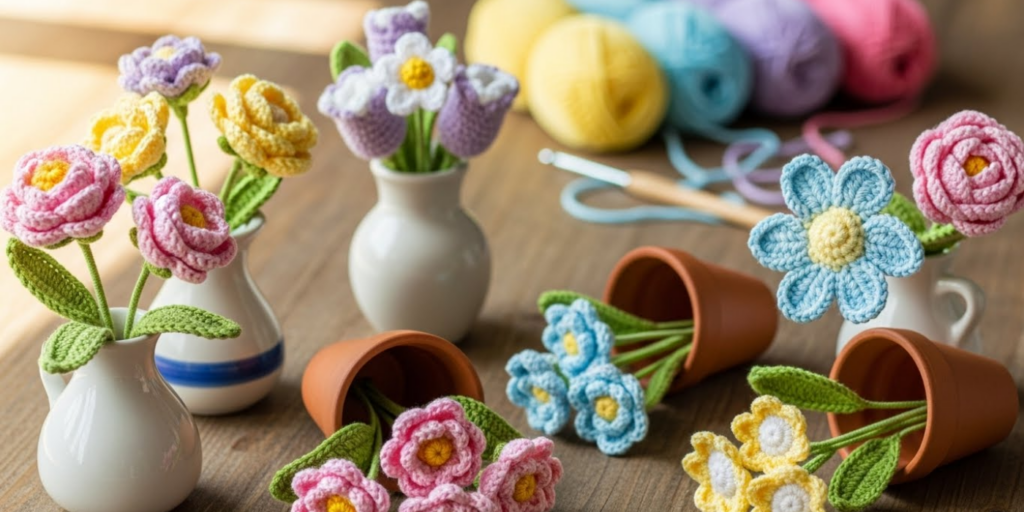
We’ve covered a lot: why 3D crochet flowers are powerful little tools, how to make them with basic stitches, what yarns and colors work best, and dozens of ways to use them beyond the usual suspects. But none of that matters unless you pick up your hook and try.
Start small. Choose one beginner flower pattern. Use yarn you already have. Don’t worry about perfection—just enjoy the process of watching petals emerge under your fingers.
Before you know it, you’ll have a bouquet of handmade blooms, each one unique, each one a testament to your creativity.
So tell us—what’s the first project you’ll embellish with a 3D crochet flower? A spring hat? A gift for a friend? A wall art piece for your home? Share your ideas or photos in the comments below! And if you found this guide helpful, please share it with a fellow maker who’d love to add a little floral magic to their next project.
Happy crocheting—and happy blooming!
Gabriela Ferreira is a passionate crochet and knitting enthusiast who finds inspiration in every skein of yarn she touches. With a love for color, texture, and handmade detail, she brings creativity and warmth to each project she creates. Gabriela believes that every stitch tells a story, and she enjoys sharing her craft with others who appreciate the beauty of fiber arts.