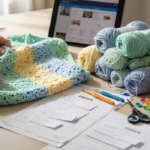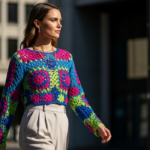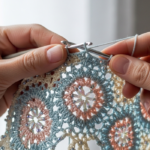
Imagine this: You’re curled up on your favorite armchair, a warm cup of tea in hand, yarn softly glowing under the lamplight. Your fingers move slowly, deliberately—pulling, looping, catching. With each stitch, a little piece of calm settles into your bones. You didn’t start out this way. In fact, just a few weeks ago, you couldn’t tell a single crochet from a double. But now? You’re making your first blanket. And it’s yours.
If you’ve ever stared at a crochet pattern and felt overwhelmed—or worse, convinced you “just aren’t the crafty type”—this article is for you. The truth? Crochet isn’t about perfection. It’s about presence. And the foundation of every beautiful piece—whether it’s a cozy scarf, a whimsical amigurumi, or a textured throw—is built on just three stitches: the single crochet (sc), the half double crochet (hdc), and the double crochet (dc). Master these, and you’ve unlocked the entire language of crochet.
In this guide, we’ll walk through each of these essential stitches step by step—not just how to make them, but why they matter. You’ll learn how they differ in height, texture, and speed, how to choose the right one for your project, and how even a simple dishcloth can become a meditation in motion. We’ll also share real-life tips from seasoned crocheters, common mistakes to avoid, and a little secret: the half double crochet might just become your new favorite.
By the end, you won’t just know how to crochet—you’ll feel confident enough to pick up any pattern and say, “I’ve got this.” Let’s get started.
Why These Three Stitches Are Your Crochet Superpowers
Let’s be honest: there are dozens of crochet stitches out there. Lattice, popcorn, shell, puff, bobble… the list goes on. But here’s the secret every expert knows: 90% of patterns are built on just three foundational stitches. Think of them like the ABCs of crochet. Once you’ve mastered these, everything else becomes a variation, a combo, a playful twist.
The single crochet is your anchor. It’s tight, dense, and perfect for items that need structure—like bags, amigurumi, or washcloths. The double crochet is your speed demon. Tall and open, it works up quickly and creates that classic, lacy drape you see in shawls and afghans. And then there’s the half double crochet—the quiet hero. It’s taller than single but shorter than double, giving you the best of both worlds: a nice texture without the holes, and a satisfying rhythm that’s easy on the hands.
Why does this matter? Because choosing the right stitch affects everything: how fast your project finishes, how warm it feels, even how much yarn you’ll need. A blanket made entirely in double crochet might take half the time of one in single crochet—but it’ll also be more breathable, less insulating. If you’re making a baby blanket for winter? You’ll want that dense single crochet. Making a summer shawl? Double crochet is your friend.
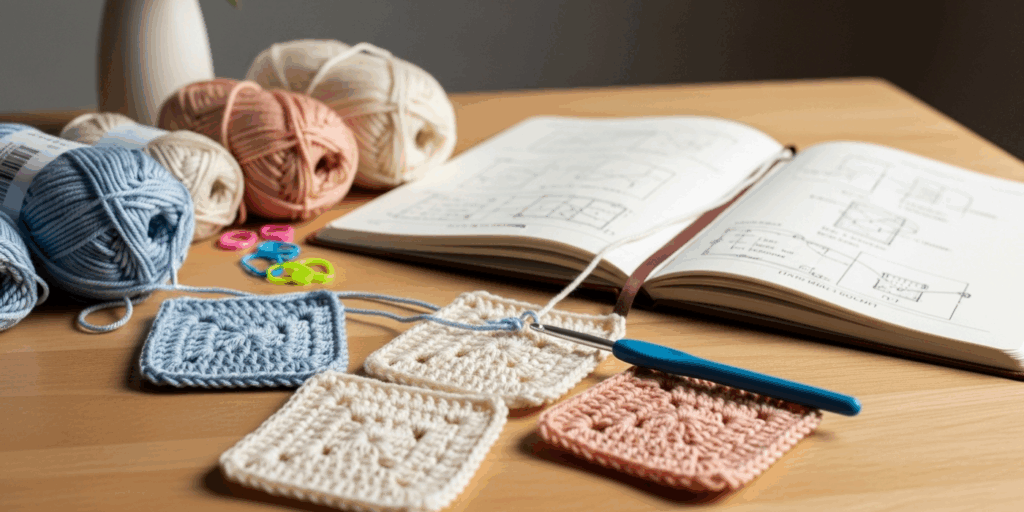
And here’s the best part: you don’t need fancy tools or expensive yarn to start. A medium-weight yarn (Category 4) and a size H/5mm hook are all you need to practice. Grab a skein, sit down for 15 minutes, and just focus on making 10 stitches in a row. That’s it. No pressure. No perfection. Just progress.
These stitches are the reason your grandma’s afghans lasted decades. They’re the reason handmade gifts feel so personal. And they’re the reason you, right now, can create something beautiful—even if you’ve never held a hook before.
Single Crochet: The Steady Heart of Your Projects
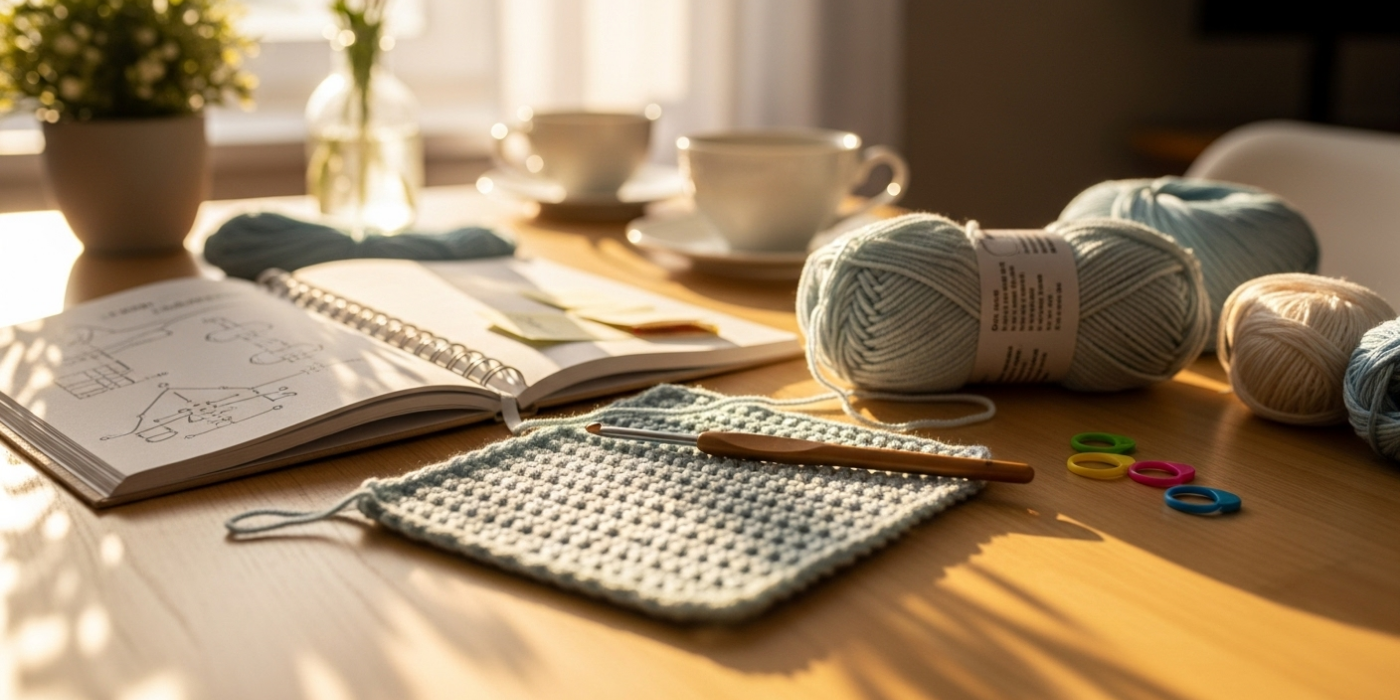
If crochet were a symphony, the single crochet would be the steady bassline—unassuming, reliable, and utterly essential. It’s the first stitch most beginners learn, and for good reason: it’s simple, forgiving, and creates a fabric that’s sturdy enough to hold its shape.
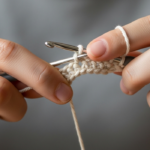
Here’s how to do it: Insert your hook into the second chain from the hook (or into the next stitch if you’re working in rows). Yarn over (that’s wrapping the yarn over the hook from back to front), pull up a loop—you now have two loops on your hook. Yarn over again, and pull through both loops. One stitch done.
It’s short. It’s tight. And it’s perfect for projects where you need durability. Think: tote bags, coasters, stuffed animals, or even the edges of blankets where you want a clean, firm border. Single crochet doesn’t stretch out easily, which makes it ideal for things that get used—and washed—often.
One of my favorite beginner projects? A simple dishcloth. Just chain 20, single crochet in each stitch across, chain one, turn, and repeat. In under an hour, you’ve got a functional, handmade gift that actually gets used every day. And the best part? You’ll notice your hands getting calmer, your focus sharper. Crochet isn’t just crafting—it’s mindfulness with yarn.
A common mistake? Pulling the yarn too tight. Beginners often think “tighter = better,” but that makes it harder to insert the hook next time. Keep your tension relaxed—like holding a bird, not a rock. You want to feel the yarn glide, not fight it.
And here’s a pro tip: count your stitches every few rows. It’s easy to accidentally skip one or add an extra one, especially when you’re distracted by a TV show. A quick glance down at your work every 10 stitches keeps you on track.
Single crochet might not be flashy, but it’s the foundation. Without it, nothing else holds together. And when you finish your first row of 50 single crochets? That’s your first real win. Celebrate it.
Half Double Crochet: The Sweet Spot Between Fast and Fuzzy
If single crochet is the steady bassline and double crochet is the soaring melody, then the half double crochet is the smooth harmony—just right in the middle.
To make a half double crochet, you start the same way as double crochet: yarn over first, then insert your hook into the stitch. Pull up a loop (you’ll now have three loops on your hook), yarn over again, and pull through all three at once. Simple, right?
Here’s why it’s magical: it’s taller than single crochet, so your work grows faster. But unlike double crochet, it doesn’t leave big gaps. That means you get a fabric that’s warm, slightly textured, and beautifully dense—without the slow pace of single crochet. It’s the go-to stitch for blankets, scarves, and even sweaters.
I remember my first hdc project: a chunky cowl I made for my sister’s birthday. I chose it because I wanted something cozy but not too bulky. The half double crochet gave me that perfect “just right” thickness. It looked handmade, not homemade. And because it worked up so quickly, I finished it in two evenings—something I never thought possible.
Another win? The half double crochet creates a lovely, slightly ribbed texture that looks more complex than it is. People always ask, “Did you use a special stitch?” Nope. Just hdc. It’s like a secret weapon.
One thing to watch out for: the starting chain. Because hdc is taller, you usually chain 2 at the beginning of a row (instead of 1 for sc). If you forget, your edge will tilt. A quick fix? Use a stitch marker on that first stitch of each row. It’s a small thing, but it saves so much frustration.
Try this exercise: make a small swatch—10 stitches wide, 10 rows tall—in single crochet, then do another in half double crochet side by side. Compare them. Notice how the hdc stands taller? How it looks fuller? How it feels softer? That’s the power of this stitch.
It’s also incredibly forgiving for uneven tension. If you’re still learning to control your yarn, hdc tends to hide inconsistencies better than dc. That’s why it’s a favorite among teachers and therapists who use crochet for mindfulness.
So next time you pick up your hook, give hdc a try. It might just become your new favorite.
Double Crochet: The Speedy Star of the Crochet World
Now, let’s talk about the stitch that turns “I’ll finish this next month” into “I’m almost done!”
The double crochet is the workhorse of quick projects. It’s tall, open, and works up faster than any other basic stitch. To make it: yarn over, insert hook into the stitch, yarn over again and pull up a loop (now you have three loops on your hook), yarn over and pull through two, yarn over again and pull through the last two. Done.
It’s the stitch behind most classic afghans, granny squares, lace shawls, and even summer tops. Why? Because it creates that airy, drapey fabric we love. It breathes. It flows. It looks elegant even with basic yarn.
But here’s the catch: because it’s so tall, it uses more yarn than single or half double crochet. A blanket in dc might need 20% more yarn than the same size in sc. So if you’re on a budget, keep that in mind. But if you want to finish something fast? Dc is your best friend.
I once made a baby blanket in double crochet for a friend’s shower. I started on a Friday night after work. By Sunday afternoon, it was done. Not because I’m fast—but because dc just moves. You can watch your favorite show, chat with a friend, or listen to a podcast, and still get a full row done in 10 minutes.
One of the biggest mistakes beginners make? Not counting their turning chains. For double crochet, you typically chain 3 at the beginning of a row to reach the height of the stitch. But that chain counts as your first stitch. So when you turn, you skip the first stitch and begin your dc in the second. If you don’t, your edges will flare out like a bell skirt.
Pro tip: Use a stitch marker to mark the top of your turning chain. That way, you know exactly where your row begins and ends. It’s a tiny habit that prevents major frustration later.
And here’s a fun fact: many lace patterns use double crochet as their base, then add clusters, shells, or picots on top. Once you’re comfortable with dc, you’ll be ready to explore those beautiful, intricate designs. You’re not just learning a stitch—you’re unlocking a whole world of possibilities.
Try this: make a swatch of dc, then try a row of sc on top. See how the texture changes? The contrast is stunning. That’s how patterns are built—by layering, mixing, and playing with these three stitches.
Double crochet isn’t just fast. It’s flexible. It’s forgiving. And once you get the rhythm, it feels like dancing with your hook.
Putting It All Together: How to Choose the Right Stitch for Your Project
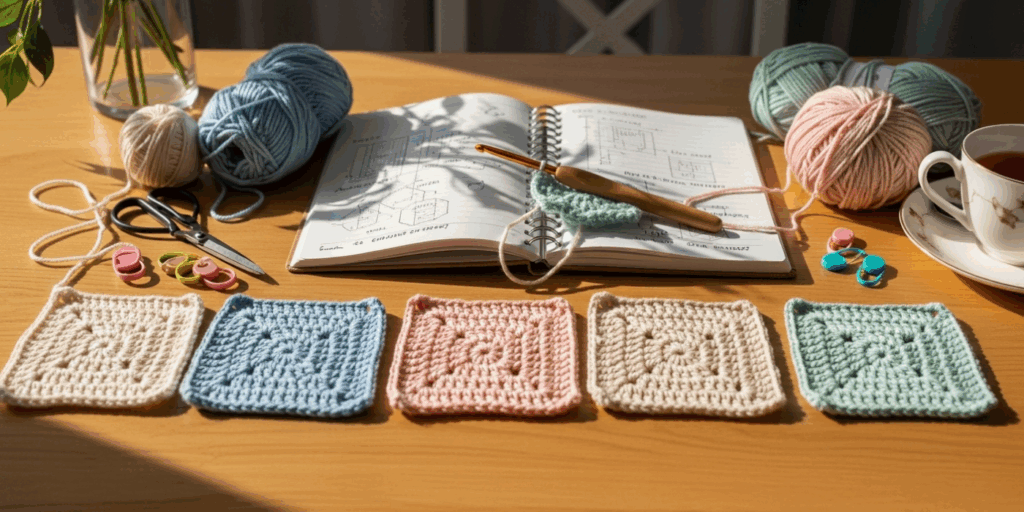
So now you know the three stitches. But how do you decide which one to use?
Let’s break it down with real-life examples:
- Need something warm and dense? Go with single crochet. Think: winter hats, baby booties, or a mug cozy. You want it to block the wind? Sc is your guy.
- Want cozy but quicker? Choose half double crochet. Perfect for scarves, blankets, and sweaters where you want softness without the bulk. It’s the “just right” Goldilocks stitch.
- Looking for something light, lacy, or fast? Double crochet is your answer. Shawls, summer tops, market bags, even lace table runners—all thrive on dc.
Here’s a quick cheat sheet:
| Washcloths | Single Crochet | Dense, absorbent, durable |
| Baby Blanket | Half Double Crochet | Warm, soft, works up fast |
| Granny Square Afghan | Double Crochet | Classic look, quick to build |
| Shawl or Scarf | Double or Half DC | Drapey, lightweight |
| Amigurumi (stuffed toys) | Single Crochet | Tight fabric hides stuffing |
But here’s the real secret: you don’t have to stick to just one. Many patterns combine stitches for texture. A blanket might have rows of hdc, then a border of sc. A hat might use dc for the body and sc for the brim. Experiment. Play. Make a little swatch with alternating rows. See how the fabric changes? That’s where the magic happens.
And don’t be afraid to mess up. I once made a blanket where I accidentally switched from hdc to dc halfway through. It looked weird. But I kept going. When I finished, I realized the texture difference created a beautiful ombre effect. Now it’s my most-loved blanket.
Crochet isn’t about following rules. It’s about expressing yourself—with yarn.
Your First Project: A Simple Dishcloth to Build Confidence
Ready to put your new skills to the test? Let’s make something practical, beautiful, and totally doable in under an hour.
Project: The 10-Minute Dishcloth
Materials:
- 100% cotton yarn (like Lily Sugar’n Cream or Peaches & Creme)
- Size H/5mm crochet hook
- Scissors
- Yarn needle (optional, for weaving ends)
Instructions:
- Chain 25.
- Row 1: Single crochet in the second chain from the hook, then sc in each chain across. (You should have 24 sc.) Chain 1, turn.
- Row 2–15: Sc in each stitch across. Chain 1, turn.
- Row 16: Sc across, fasten off. Weave in ends.
That’s it. You’ve made a handmade dishcloth. Wash it, dry it, use it. Feel the texture. Notice how the single crochet holds up to scrubbing. Feel proud.
Now, try the same pattern but use half double crochet. Notice how it’s taller? Smoother? Faster? Try it in double crochet next. See how the holes open up?
This isn’t just a dishcloth. It’s your first real piece of handmade art. And you made it with your own hands.
The Quiet Joy of Making Something With Your Hands
In a world that moves too fast, crochet is a quiet rebellion. It asks you to slow down. To breathe. To focus on one loop, one stitch, one row at a time.
You don’t need to make a masterpiece. You don’t need to sell your work or post it online. You just need to show up—with your hook, your yarn, and your patience.
These three stitches—single, half double, and double—are more than techniques. They’re invitations. Invitations to create, to heal, to connect. Maybe you’ll make a blanket for your child. Or a gift for a friend going through a hard time. Or maybe you’ll just make a little square to remind yourself: I can do hard things.
Every stitch is a moment of peace. Every row, a quiet victory.
So pick up your hook today. Make one stitch. Then another. And another.
You’ve got this.
Final Thought: What Will You Make First?
You’ve learned the foundation. You know how to start. Now, the real question is: What will you create?
Will it be a cozy blanket for your couch? A set of dishcloths for your kitchen? A colorful scarf for your next walk in the park?
Whatever it is—start small. Start simple. Start today.
And when you finish? Come back here and tell me about it. Drop a comment below: “I made my first [dishcloth/scarf/blanket] using [sc/hdc/dc]—and it felt amazing.”
Your story matters. And your hands? They’re capable of so much more than you think.
Now go on—yarn in hand, heart open. Your next stitch is waiting.
Gabriela Ferreira is a passionate crochet and knitting enthusiast who finds inspiration in every skein of yarn she touches. With a love for color, texture, and handmade detail, she brings creativity and warmth to each project she creates. Gabriela believes that every stitch tells a story, and she enjoys sharing her craft with others who appreciate the beauty of fiber arts.