You’ve just bought your first hook, picked out the softest yarn, and watched ten YouTube tutorials on how to make a chain stitch. You’re ready to create your very first project—a cozy blanket, a cute amigurumi, or maybe even a delicate lace shawl. But then you open the pattern… and it feels like reading ancient hieroglyphs.
“Sc2tog, ch 3, skip 2 sts, dc in next st.”
What does any of that even mean?
If you’ve ever felt overwhelmed, confused, or downright defeated by a crochet pattern, you’re not alone. Thousands of new makers hit this exact wall—and many give up before they even begin. The good news? Reading crochet patterns doesn’t have to be hard. With the right mindset and a few simple tools, you’ll soon be decoding patterns like a pro—no degree in knitting required.
In this guide, we’ll break down everything you need to know to understand crochet patterns confidently. We’ll walk through the basics of abbreviations, how to read structure and repeats, how to avoid common mistakes, and even how to adapt patterns as you grow. Whether you’re holding your first pattern right now or have tried (and failed) a few times before, this is your friendly roadmap to success. By the end, you won’t just read patterns—you’ll enjoy them.
Decoding the Secret Language: Crochet Abbreviations Made Friendly
Let’s start with the biggest hurdle: abbreviations. If you’ve ever stared at a pattern and thought, “Is this code for spies?”—you’re not crazy. Crochet patterns use shorthand to save space and keep instructions tight. But once you know the logic, it’s surprisingly simple.
Here’s the truth: you don’t need to memorize every abbreviation overnight. Start with the top 10 most common ones:
- ch = chain
- sc = single crochet
- dc = double crochet
- hdc = half double crochet
- tr = treble crochet
- sl st = slip stitch
- st(s) = stitch(es)
- rep = repeat
- sp = space
- tog = together
Most patterns include a legend at the top—always check it first. Think of it like a dictionary for your project. If you see something unfamiliar, don’t panic. Google it. Bookmark a cheat sheet. Print it out and tape it to your wall.
But here’s the real trick: context is everything. For example, “sc2tog” doesn’t mean “single crochet two times.” It means “single crochet two stitches together,” which is a decrease. Think of it like sewing two pieces of fabric into one—less bulk, more shape.
Try this: Grab a simple pattern (like a basic beanie or dishcloth) and read just the first row out loud. Say it slowly:
“Ch 4, sc in 2nd ch from hook, sc in next ch, sc in last ch.”
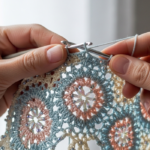
Now, do it with your hook. You’ll be amazed how quickly your brain starts translating.
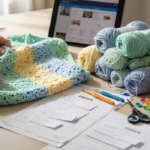
Pro Tip: Use colored highlighters. Highlight all the “ch”s in yellow, “sc”s in blue, “rep”s in pink. Visual cues make patterns less intimidating.
And remember—every expert crocheter started right where you are. Even the most complex patterns are just a series of these simple stitches, repeated in clever ways. You’ve got this.
Understanding the Structure: How Patterns Are Built Like LEGO
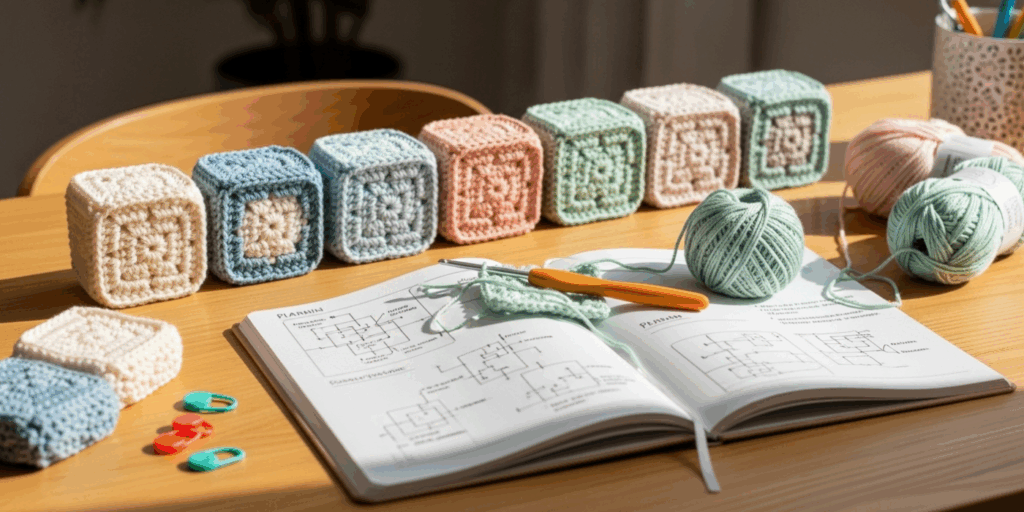
Imagine building a LEGO set without instructions. You’d have a pile of bricks and no idea where they go. That’s what it feels like to tackle a pattern without understanding its structure.
Crochet patterns aren’t random scribbles—they’re carefully organized blueprints. Most follow a predictable flow:
- Materials List – Yarn weight, hook size, notions (like buttons or stuffing).
- Gauge – How many stitches and rows fit in a 4-inch square. This is CRUCIAL for sizing.
- Pattern Notes – Special instructions, like “work in continuous rounds” or “do not turn.”
- Instructions – Broken into rows or rounds, often with repeat sections.
- Finishing – How to weave in ends, block, or assemble pieces.
The magic happens in the repeats. You’ll see phrases like:
“Rep from * to * 3 more times.”
That means: “Do what’s between the asterisks, three more times.”
Think of it like singing a chorus in a song. You don’t have to write out the whole chorus every time—you just say, “Repeat chorus.” Same idea.
Let’s say a pattern says:
“Row 1: Ch 15, sc in 2nd ch from hook, sc in next 12 ch, 2 sc in last ch. (14 sts)”
You can break it down:
- Chain 15 → foundation
- Skip the first chain (that’s normal!)
- Single crochet in the next 12 → that’s your main body
- Two stitches in the last chain → that’s your increase
- Total stitches? 14. Always count at the end to check.
Why does this matter? If you skip that last increase, your project won’t curve right. If you ignore the gauge, your hat might fit your cat, not your head.
Start small. Practice reading one row at a time. Use a ruler to measure your swatch. Write notes in the margins. Treat your pattern like a conversation—not a test.
The Power of Repeats and Symbols: Your Pattern’s Hidden Shortcut
Repeats aren’t just about saving space—they’re the secret to efficiency and creativity.
Imagine knitting a scarf with 100 rows of the same stitch. Writing “sc, ch 1, sc” a hundred times would be exhausting. So instead, patterns use symbols like:
- * = start of repeat
- ** = end of repeat
- ( ) = group of stitches to be worked together
- [ ] = repeat the bracketed section a certain number of times
For example:
“Rnd 2: sc in next st, 2 sc in next st; rep from * to * around (24 sts)”
That means:
- Single crochet in one stitch
- Two single crochets in the next
- Repeat that pair all the way around
You’re not doing 24 different instructions—you’re doing 12 repeats of a 2-stitch pattern. That’s the beauty of it.
Some patterns use charts too—little grids where each square is a stitch. Don’t panic if you see one! Charts are visual shortcuts. A solid square might mean “dc,” a dot might mean “chain.” Many free apps (like Stitch Fiddle or Crochet Guru) let you upload patterns and convert them to charts.
Real-life analogy: Think of a recipe. “Mix flour, sugar, butter” is the base. Then it says, “Fold in chocolate chips.” You don’t rewrite “mix flour, sugar, butter” every time you make cookies—you just say, “repeat step 1.” Patterns work the same way.
Pro Tip: Use a dry-erase marker on a plastic sleeve over your printed pattern. Circle completed rows. Check off repeats. It’s satisfying—and helps you track progress without losing your place.
And here’s the best part: once you recognize patterns, you’ll start seeing them everywhere. That lace edging on your grandma’s doily? It’s probably just the same repeat, turned sideways. You’re not just following instructions—you’re learning a language.
Avoiding the Top 5 Mistakes New Makers Make (And How to Fix Them)
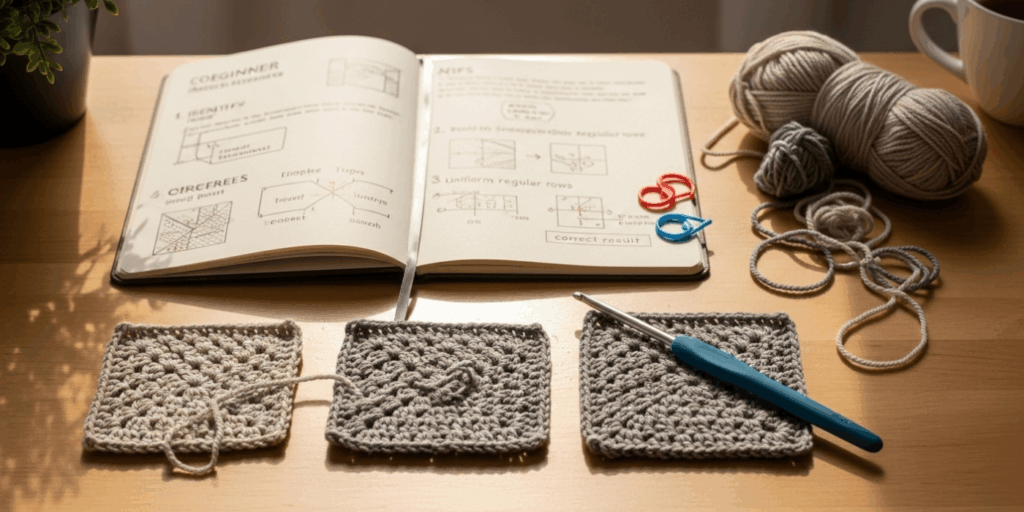
Even the most well-written pattern won’t save you if you fall into common traps. Let’s talk about the five biggest mistakes—and how to sidestep them like a pro.
1. Ignoring the Gauge
You’ve heard it before, but let’s say it again: gauge matters. If your gauge is off, your sweater will be too tight. Your blanket won’t fit the couch. Your hat will slide off your head.
Fix: Make a 4×4 inch swatch. Count your stitches and rows. If you have too many stitches, your hook is too small. Too few? Bigger hook. Adjust until you match the pattern.
2. Not Counting Stitches
It’s easy to lose track, especially after a long row. One missed stitch throws off the whole shape.
Fix: Use stitch markers every 10 stitches. Or, count aloud as you go. “One… two… three…” It sounds silly—but it works.
3. Skipping the Pattern Notes
“Work in continuous rounds” vs. “turn at end of each row” changes everything. Missing this detail can turn a hat into a flat circle.
Fix: Read the notes before you start. Highlight them. Ask yourself: “What’s different here?”
4. Rushing Through the First Row
The foundation row sets the tone. If you chain too tight, you’ll struggle to work into it. Too loose, and your edge looks sloppy.
Fix: Chain loosely. Use a hook one size larger for the chain, then switch to the recommended size for the first row.
5. Giving Up Too Soon
I’ve seen so many makers quit after one failed attempt. One mistake. One miscount. One confusing symbol—and they put the yarn away forever.
Fix: Remember—every crocheter has made a “ugly duckling” project. Mine was a lopsided octopus that looked like a potato with legs. It’s okay. Learn from it. Try again tomorrow.
Bonus Tip: Keep a “pattern journal.” Write down what worked, what didn’t, and what confused you. Over time, you’ll build your own personal reference guide. And you’ll be amazed at how much you’ve learned.
From Confused to Confident: How to Adapt Patterns as You Grow
Here’s the secret most tutorials won’t tell you: you don’t have to follow patterns exactly.
Once you understand the structure, you can start playing. Want a bigger blanket? Add 10 more chains. Want a shorter sleeve? Skip two repeats. Want to use a different yarn? Adjust your hook size and gauge.
Crochet is a living craft. Patterns are suggestions—not laws.
Think of it like cooking. A recipe says “1 cup sugar.” But maybe you like it less sweet. You use 3/4 cup. You still get a cake. Same here.
Start small. Try modifying a simple scarf pattern:
- Change the stitch from sc to hdc for a looser drape
- Swap yarn weight for a chunkier look
- Add a fringe at the end
You’re not breaking the rules—you’re becoming a creator.
And here’s the best part: the more you adapt, the more you’ll understand. When you change one thing and see how it affects the whole piece, you’re not just following instructions—you’re thinking like a designer.
Many experienced crocheters never read patterns word-for-word. They scan for the structure, then fill in the rest based on experience. You’ll get there too.
Try this exercise: Take a pattern you’ve already completed. Now, try making it again—but change one thing. Color? Size? Stitch? See what happens. You might surprise yourself.
Your Journey Starts With One Stitch
You didn’t learn to ride a bike by reading a manual. You got on the seat, wobbled, fell, got back up, and tried again.
The same is true for crochet.
Patterns aren’t meant to intimidate. They’re meant to guide. Every symbol, every repeat, every note is there to help you create something beautiful—not to prove you’re “good enough.”
The fact that you’re here, reading this, means you already have what it takes: curiosity, patience, and the courage to try.
So tomorrow, when you pick up your hook and that pattern feels overwhelming again, pause. Breathe. Go back to the basics. Count your stitches. Highlight your repeats. Celebrate the tiny wins.
Maybe today, you finally understood what “dc2tog” meant.
Maybe tomorrow, you’ll finish your first hat.
Next week, you’ll start your first sweater.
And one day? You’ll be the one writing the patterns for someone else who’s just starting out.
Because every expert was once a beginner.
And you? You’re already on your way.
Ready to take the next step?
Grab a simple pattern today—something labeled “Beginner” or “Easy.” Set a timer for 20 minutes. Just read it. Don’t crochet yet. Just decode it. Write down three things you understood. One thing that still confuses you. Then come back tomorrow and try again.
You don’t need to be perfect.
You just need to begin.
What’s the first pattern you’re going to try?
Drop a comment below—I’d love to cheer you on. And if this helped you, share it with a friend who’s been too scared to start. Because no one should miss out on the joy of making something with their own hands.
Happy crocheting. You’ve got this. 🧶💛
Gabriela Ferreira is a passionate crochet and knitting enthusiast who finds inspiration in every skein of yarn she touches. With a love for color, texture, and handmade detail, she brings creativity and warmth to each project she creates. Gabriela believes that every stitch tells a story, and she enjoys sharing her craft with others who appreciate the beauty of fiber arts.