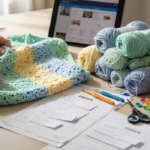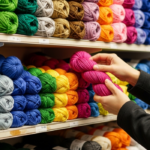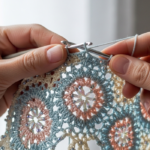
Imagine wrapping yourself in a cloud made of yarn—soft, warm, uniquely yours, and crafted with love. No, this isn’t a fantasy from a fairy tale. It’s the quiet revolution happening in wardrobes across America and beyond: the resurgence of handmade crochet wearables. Once seen as grandma’s hobby, crochet shawls, scarves, and sweaters are now strutting down runways, gracing Instagram feeds, and filling Etsy shops with handmade charm. And the best part? You don’t need to be a master artisan to join the movement.
In this article, we’ll explore why crochet wearables are more than just a nostalgic trend—they’re a meaningful, sustainable, and deeply personal way to dress. We’ll uncover the surprising rise in popularity, break down the top styles dominating 2025, show you how to choose or create pieces that suit your lifestyle, and even share simple tips to start your own crochet journey—even if you’ve never held a hook before. Whether you’re a fashion lover, a mindful consumer, or someone craving connection in a digital world, there’s a crochet piece waiting to become your new favorite thing.
Why Crochet Wearables Are Having a Moment (Again)
Let’s be honest: for decades, crochet was tucked away in attics and craft closets, associated with doilies and afghans passed down through generations. But something beautiful happened around 2020—something we didn’t see coming. As people spent more time at home, they turned to hands-on creativity. TikTok exploded with #CrochetTok videos. YouTube tutorials racked up millions of views. And suddenly, crochet wasn’t just “crafty”—it was cool.
According to a 2024 Craft Industry Alliance report, crochet yarn sales in the U.S. jumped by 47% between 2020 and 2023. Why? Because people crave authenticity. In a world of fast fashion and mass-produced clothing, handmade items feel like a rebellion. They carry intention. They tell a story. A crocheted shawl isn’t just an accessory—it’s hours of focused calm, a gift from maker to wearer, and a statement that says, I value quality over quantity.
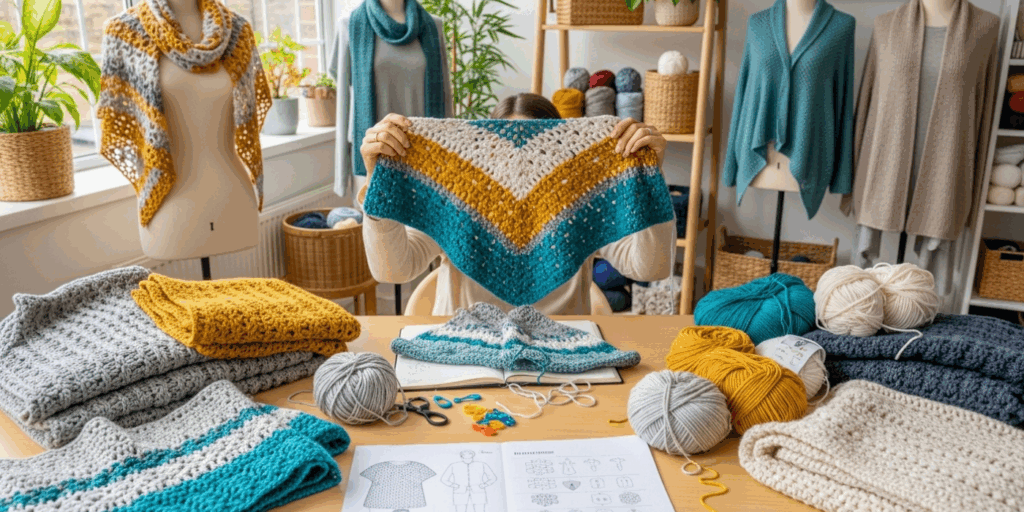
Plus, let’s talk versatility. A lightweight crochet shawl can go from beach cover-up to office layer in seconds. A chunky scarf adds texture to a minimalist coat. And a cropped crochet sweater? It’s the perfect bridge between boho and modern. Designers like Stella McCartney and Reformation have incorporated crochet into their collections—not as a gimmick, but as a celebration of artisan craft. Even Target and Urban Outfitters now stock curated lines of handmade-inspired pieces. The message is clear: crochet isn’t going anywhere. It’s evolving.
And here’s the real win: you don’t have to buy it. You can make it. And that’s where the magic begins.
The Top 3 Crochet Wearables Everyone’s Obsessed With in 2025
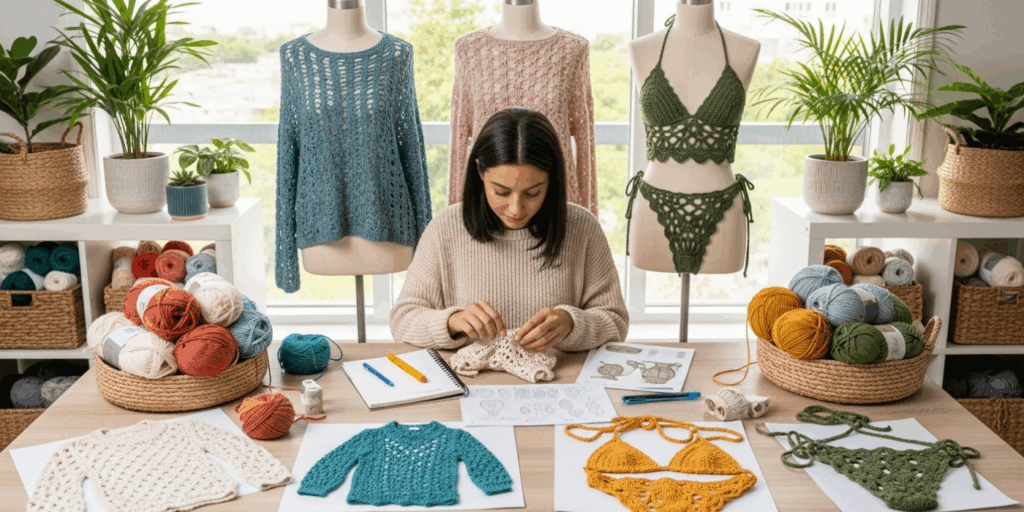
If you’re new to the crochet scene, the variety can feel overwhelming. But let’s simplify it. Right now, three styles are dominating the scene—and for good reason.
1. The Oversized Shawl
Think of it as your wearable blanket—but chic. These shawls are often worked in airy, openwork patterns like lace or granny squares, using soft merino wool or bamboo blends. They drape beautifully over shoulders, add instant elegance to a simple dress, and are perfect for chilly airplane rides or coffee shop afternoons. Popular colors? Muted earth tones—sage green, warm taupe, soft oatmeal—and the occasional pop of terracotta or dusty rose.
2. The Chunky Scarf (with Personality)
Gone are the days of plain, bulky scarves. Today’s crochet scarves are bold. Think fringe tassels, asymmetrical edges, or even integrated beads. Some are made with super bulky yarn, creating a cozy, sculptural look that pairs perfectly with trench coats or leather jackets. Others are lightweight and lacy—ideal for spring layering. The key? Texture. A well-crafted crochet scarf doesn’t just keep you warm; it becomes the focal point of your outfit.
3. The Crochet Sweater (Yes, Really!)
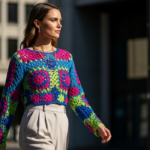
This might be the biggest surprise. Crochet sweaters? Yes. And they’re not just for festivals anymore. Designers are crafting fitted, structured sweaters with intricate floral motifs, geometric panels, and even mock turtlenecks—all made by hand. Brands like The Crochet Crowd and Yarnspirations offer patterns for everything from cropped cardigans to longline tunics. The secret to their appeal? They’re breathable, lightweight, and uniquely customizable. Want a sweater that fits your body shape? Make it. Prefer a longer hem or puff sleeves? Change the pattern. No off-the-rack garment lets you do that.
These aren’t just trends—they’re wearable art. And the best part? Each piece can be made in under a weekend if you’re using chunky yarn and simple stitches.
How to Choose (or Make) the Perfect Crochet Piece for Your Style
You don’t need to be a fashion expert to find your crochet match. Start by asking yourself three simple questions:
- What’s my everyday vibe? Are you minimalist? Boho? Edgy?
- Where do I wear it most? Work, weekend brunch, hikes, or cozy nights in?
- What feels comfortable? Do you prefer drapey fabrics or something more structured?
Here’s how to match your lifestyle to the right piece:
- For the Office Warrior: Go for a lightweight, solid-color shawl in a neutral tone. Look for patterns with subtle texture—like basketweave or ribbing—instead of loud lace. Pair it with a blazer and it becomes instant sophistication.
- For the Boho Soul: A long, flowing crochet cardigan with fringe or tassels is your soulmate. Try a pattern with floral motifs or graduated color changes. Wear it over a maxi dress or even jeans and a tank.
- For the Minimalist: A cropped, fitted sweater in a single hue (think ivory, charcoal, or deep navy) with clean lines is everything. Avoid excessive embellishment. Let the stitch pattern speak for itself.
- For the Adventurer: A reversible scarf made with two-tone yarn? Perfect for hiking trails or city walks. It’s warm, packable, and doubles as a picnic blanket if you need it.
And if you’re feeling inspired to make your own? Start small. A scarf takes less than 10 hours for a beginner. A shawl might take a weekend. A sweater? Maybe two weeks. But here’s the secret: progress, not perfection, is the goal. One stitch at a time, you’re not just making clothing—you’re building patience, confidence, and creativity.
Pro tip: Use a yarn weight chart to match your project to your skill level. For beginners, worsted weight (#4) yarn is your best friend. It’s easy to handle, widely available, and forgiving.
The Quiet Joy of Making (Not Just Buying) Your Clothes
Let’s talk about something deeper than fashion.
When you crochet a scarf, you’re not just creating fabric. You’re creating stillness. In a world of notifications, deadlines, and endless scrolling, crochet offers something rare: presence. Each loop you pull through is a small act of mindfulness. It’s meditation with a hook.
Many people I’ve spoken to say the same thing: “I started crocheting to pass the time. I stayed because it healed me.” One woman in Ohio told me she began making shawls after her divorce. “Every row felt like a step forward,” she said. “I didn’t have to talk. I just had to make something beautiful.”
And here’s the beautiful irony: when you make something by hand, you care about it more. You notice the little imperfections—not as flaws, but as fingerprints of your effort. You’re less likely to toss it aside. You’ll wash it gently. You’ll mend it if it unravels. You’ll pass it down.
This is the opposite of fast fashion. Fast fashion is designed to be discarded. Handmade crochet is designed to be cherished.
Plus, sustainability? Massive win. A single crochet sweater made with organic cotton or recycled yarn can replace ten cheap, synthetic sweaters that end up in landfills. According to the Ellen MacArthur Foundation, the fashion industry produces 10% of global carbon emissions. Choosing handmade, natural fibers is one small way to push back.
You’re not just wearing a shawl. You’re wearing a statement: I choose slow. I choose soul. I choose beauty with intention.
How to Get Started (Even If You’ve Never Held a Hook)
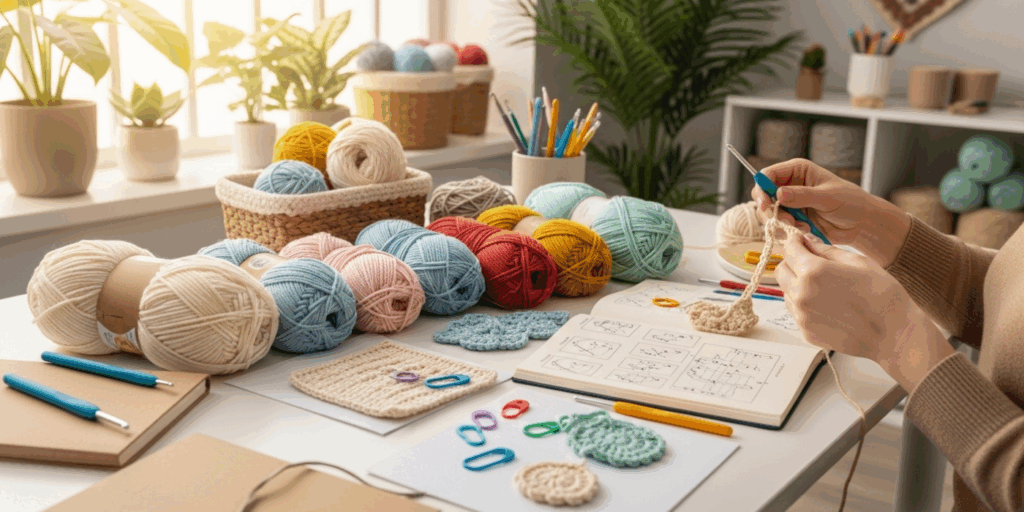
Maybe you’re sold—but you’re intimidated. “I can’t crochet. I don’t have time. I’m not artistic.” Sound familiar? Let me break it down for you.
Step 1: Grab the Basics
All you need:
- A size H (5mm) crochet hook
- One skein of medium-weight (worsted) yarn in a light color (easier to see stitches)
- Scissors
- A tapestry needle (for weaving in ends)
You can find starter kits for under $15 on Amazon or at your local craft store.
Step 2: Learn Two Stitches
Master the chain stitch and the double crochet. That’s it. Everything else builds on these. YouTube has incredible free tutorials—try Bella Coco or The Crochet Crowd. Watch one video. Pause. Try. Repeat.
Step 3: Start Small
Make a 30-stitch scarf, 5 inches wide. Do it in 15 minutes a day. In a week, you’ll have a cozy accessory. In a month, you’ll feel like a pro.
Step 4: Join a Community
There are over 2 million active crochet groups on Facebook alone. Find one near you—or join online. Share your first scarf. Celebrate your wobbly edges. You’ll be amazed at how supportive the community is.
And here’s a secret: you don’t need to be “good.” You just need to begin.
I know a 72-year-old retired teacher who started crocheting scarves for homeless shelters last year. She’s made over 120. She says, “I used to think I was too old to learn. Turns out, it’s never too late to make something beautiful.”
The Future of Crochet: Where Tradition Meets Innovation
The crochet world is evolving faster than ever. New yarns are being developed with recycled ocean plastic, organic hemp, and even plant-based dyes. Smart patterns now include QR codes that link to video tutorials. Apps like Ravelry and LoveCrochet let you download patterns, track your progress, and connect with makers worldwide.
And get this—some fashion schools in New York and Los Angeles now offer courses in hand-crocheted garment construction. Why? Because consumers are demanding it. Gen Z and Millennials aren’t just buying products—they’re buying values. Sustainability. Individuality. Slowness.
Even tech is getting involved. AI tools can now generate custom crochet patterns based on your measurements or style preferences. Imagine typing in “I want a cropped sweater with puff sleeves in cream” and getting a printable, step-by-step guide in 60 seconds. The future of crochet isn’t just handmade—it’s handmade with tech support.
But here’s the truth: no algorithm can replicate the warmth of something made with your hands. The slight unevenness. The way the yarn catches the light. The quiet pride when you slip it on and think, I made this.
That’s irreplaceable.
Your Turn: Wrap Yourself in Meaning
So here we are, at the end of this journey through yarn, stitches, and soul.
We’ve seen how crochet wearables are more than fashion—they’re a return to craftsmanship, a rebellion against disposability, and a quiet act of self-care. Whether you choose to buy a handcrafted shawl from a small business or pick up a hook for the first time, you’re joining a movement that’s gentle, powerful, and deeply human.
You don’t need to become a master crocheter to benefit from this. Just try one thing: this weekend, make a 10-row scarf. Or gift a friend a handmade scarf you bought from Etsy. Or simply wear your next shawl with intention—notice how it feels against your skin, how it transforms your outfit, how it makes you pause for a moment and breathe.
Because sometimes, the most luxurious thing you can wear isn’t silk or cashmere.
It’s something made with love.
So… what will you make first?
Have you ever crocheted something for yourself—or received a handmade piece that meant the world? Share your story in the comments below. Let’s build a community of makers, wearers, and believers in slow, beautiful living. And if this article inspired you, don’t keep it to yourself—share it with someone who needs a little more warmth in their life. 🧶💛
Gabriela Ferreira is a passionate crochet and knitting enthusiast who finds inspiration in every skein of yarn she touches. With a love for color, texture, and handmade detail, she brings creativity and warmth to each project she creates. Gabriela believes that every stitch tells a story, and she enjoys sharing her craft with others who appreciate the beauty of fiber arts.