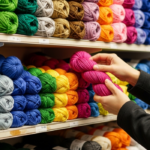
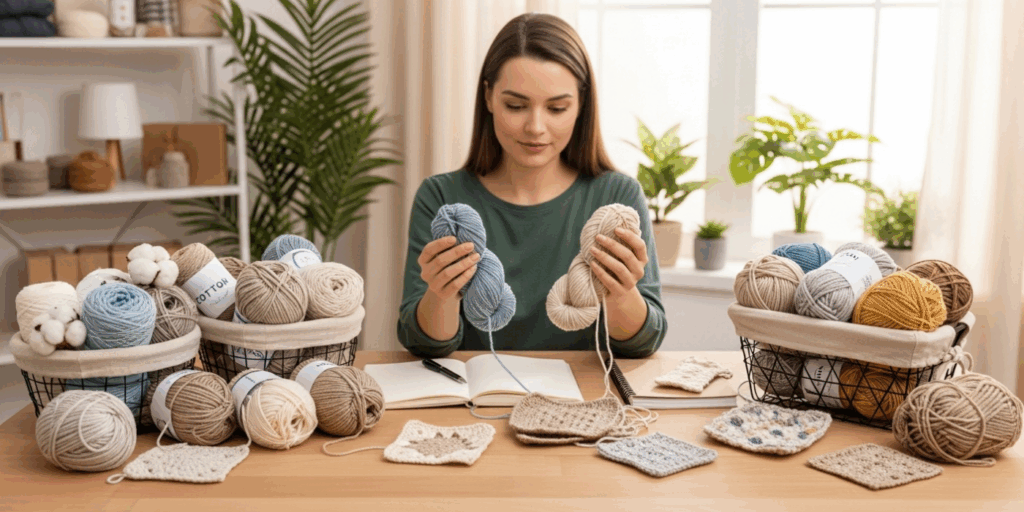
You’ve just started your first crochet project. You’ve picked out a cute pattern, grabbed your hook, and… stared at a wall of yarn at the craft store, paralyzed.
Which one?
Is it too thin? Too fuzzy? Will it pill after one wash? Will it feel like sandpaper against your skin?
If this sounds familiar, you’re not alone. Choosing the right yarn isn’t just about color—it’s about matching fiber, weight, texture, and purpose. The wrong yarn can turn a cozy blanket into an itchy disaster or transform a delicate lace shawl into a heavy, droopy mess.
But here’s the good news: once you understand the basics, selecting the perfect yarn becomes intuitive—almost fun. In this guide, we’ll walk you through the five key factors that determine whether a yarn is right for your project. Whether you’re making baby booties, a winter hat, a dishcloth, or a statement scarf, you’ll learn how to match yarn to purpose, skill level, and even your personal comfort.
We’ll break down yarn weights, fiber types, care requirements, texture, and budget—all without the jargon. No more guessing. No more regrettable purchases. Just beautiful, functional, and joyful creations that last. Let’s dive in.
1. Understand Yarn Weight: It’s Not About Size, It’s About Purpose
Think of yarn weight like shoe sizes—not every foot fits the same shoe, and not every project needs the same yarn thickness. Yarn weight refers to the thickness of the strand, not its physical weight in grams. The Crochet Guild of America (CGA) has standardized seven categories, from super fine to super bulky.
Here’s the quick cheat sheet:
- Lace (0): Delicate, perfect for shawls and doilies.
- Super Fine (1): Socks, baby items, lightweight sweaters.
- Fine (2): Scarves, hats, light garments.
- Light (3): The most versatile—great for blankets, sweaters, and amigurumi.
- Medium (4): The “goldilocks” weight. Ideal for beginners and everyday projects.
- Bulky (5): Quick projects like chunky blankets, cowls, and winter hats.
- Super Bulky (6): Fast, cozy, and perfect for rugs or dramatic statement pieces.
Why does this matter? If you use a bulky yarn with a pattern designed for medium weight, your project will be too thick, too stiff, and likely won’t fit right. Conversely, using lace yarn for a dishcloth? It’ll fall apart after one wash.
Pro Tip: Always check your pattern’s recommended yarn weight. Most patterns list it right at the top. If you want to substitute, look for yarns with the same weight category. A quick trick? Compare the gauge (stitches per inch) listed on the ball band. If it’s close, you’re probably safe.
And here’s the magic: medium weight (4) is the sweet spot for beginners. It’s easy to see your stitches, forgiving if you make mistakes, and works with almost any pattern—from blankets to amigurumi toys.
2. Fiber Matters More Than You Think (And It’s Not Just About Wool)
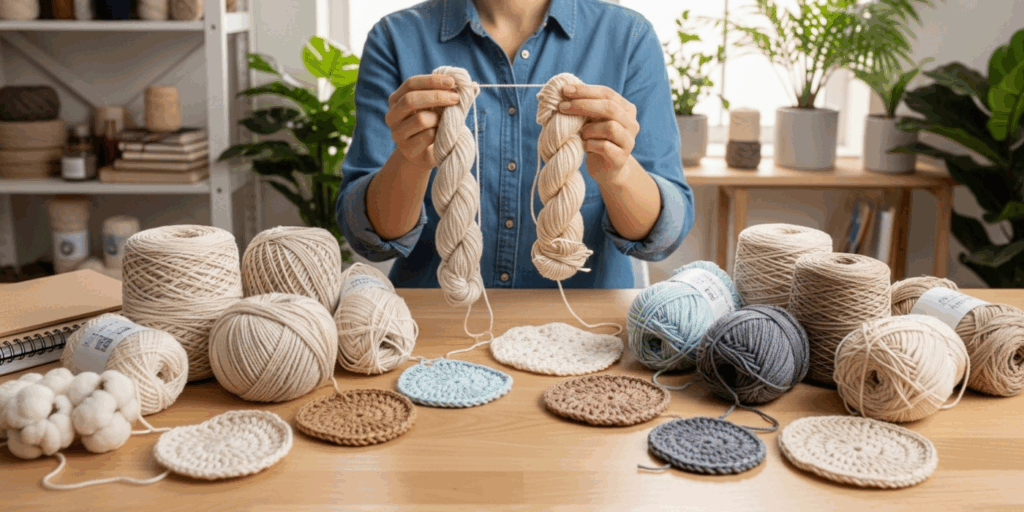
Let’s talk fibers. This is where things get personal. Your yarn’s fiber determines how it feels, how it behaves, how it washes—and even how it makes you feel while you work.
Here’s a quick breakdown of the most common fibers:
- Cotton: Breathable, absorbent, and durable. Perfect for dishcloths, summer tops, and baby items. But? It has no stretch. That means if you’re making a sweater, it might sag over time.
- Acrylic: Affordable, machine-washable, and comes in endless colors. Great for gifts, kids’ items, and practice projects. But it can feel synthetic or “plasticky” to some.
- Wool: Warm, elastic, and naturally moisture-wicking. Ideal for winter wear. But it can itch (especially cheap wool), and some people are allergic.
- Alpaca: Softer than wool, warmer, and hypoallergenic. A luxury choice for scarves and blankets—but it stretches more than wool, so use it carefully in fitted garments.
- Silk: Smooth, shiny, and luxurious. Perfect for elegant shawls or accessories. But expensive and delicate—hand wash only.
- Bamboo & Tencel: Silky, drapey, eco-friendly, and great for summer garments. They breathe beautifully and soften with washing.
- Blends: Often the best of both worlds. A wool-acrylic blend gives warmth without the itch. Cotton-acrylic offers durability and washability.
Real-life example: Sarah, a teacher in Ohio, made a blanket for her niece using 100% wool. Beautiful, warm… and it itched like crazy. The next year, she switched to a 70% acrylic / 30% wool blend. Same cozy look, zero complaints.
Your rule of thumb:
- For baby items or sensitive skin → choose soft, hypoallergenic fibers like bamboo, mercerized cotton, or high-quality acrylic.
- For winter wear → wool, alpaca, or blends.
- For dishcloths or kitchen items → 100% cotton.
- For luxury gifts → silk, cashmere, or blends with a touch of luxury fiber.
Don’t be afraid to touch the yarn before you buy. If you’re shopping online, read reviews. People often mention how soft (or scratchy) it feels.
3. Care Instructions: Choose Yarn That Matches Your Lifestyle
Imagine this: You spend 40 hours crocheting a gorgeous sweater. You’re proud. You wear it once… and then it shrinks in the wash. Or the color bleeds onto your white shirt. Or it turns into a fuzzy ball of lint.
Ouch.
That’s why care instructions aren’t just fine print—they’re deal-breakers.
Always check the yarn label for:
- Washing: Machine washable? Hand wash only?
- Drying: Tumble dry? Lay flat?
- Ironing: Can you steam it?
- Colorfastness: Will it bleed?
Here’s the reality check:
- If you’re a busy parent, pet owner, or someone who hates doing laundry, machine-washable acrylic or cotton blends are your best friends.
- If you’re crafting a heirloom piece—a christening blanket, a wedding shawl—then hand-wash-only fibers like silk, merino wool, or bamboo are worth the extra care.
Pro tip: If you’re unsure, ask yourself: Who’s using this? How often will it be washed?
A baby blanket? Expect spills, spit-up, and weekly washes. Go with acrylic or cotton.
A decorative pillow? Maybe hand wash once a year. Silk or wool could work.
A dishcloth? 100% cotton. No exceptions.
And here’s a secret: some yarns soften with washing. Acrylic, especially, gets pillier over time. Wool and cotton get softer and more drapey. So if a yarn feels a little stiff in the store, don’t rule it out—just wash a swatch first.
4. Texture and Feel: Your Hands Deserve Comfort Too
Crochet isn’t just a craft—it’s a ritual. Hours spent with your hands moving rhythmically, yarn gliding through your fingers. So why settle for something that feels like sandpaper?
Texture matters—not just for how the finished item feels, but for how it feels to make it.
- Fuzzy yarns (like chenille or mohair) are gorgeous but tricky. They hide your stitches, making it hard to count or fix mistakes. Great for beginners? Not so much.
- Slippery yarns (silk, bamboo, or rayon) can slide off your hook too easily. You’ll need a grippier hook or slower, more deliberate stitches.
- Bumpy or textured yarns (like bouclé or ribbon yarn) add visual interest but can strain your hands if you’re working on a large project.
Story time: My friend Lena, a retired nurse, started crocheting to ease arthritis in her hands. She tried a thick, fuzzy acrylic and gave up after one hat—her fingers ached. Then she switched to a smooth, medium-weight cotton blend. Suddenly, she was making blankets every weekend. “It just flows,” she told me. “Like butter.”
Your comfort checklist:
✅ Does it feel smooth as you pull it through your fingers?
✅ Does it snag or catch on your nails?
✅ Is it too stiff or too slippery?
✅ Does it cause tension in your wrist after 10 minutes?
If you have joint pain, arthritis, or just want to enjoy your craft longer, choose smooth, round, and slightly springy yarns. Avoid overly fuzzy, metallic, or stiff ribbons unless you’re doing small, decorative pieces.
And if you’re unsure? Buy a small skein first. Crochet a 4×4 inch swatch. Hold it. Wear it. Sit with it. See how your hands feel.
5. Budget, Color, and the Joy of Experimentation
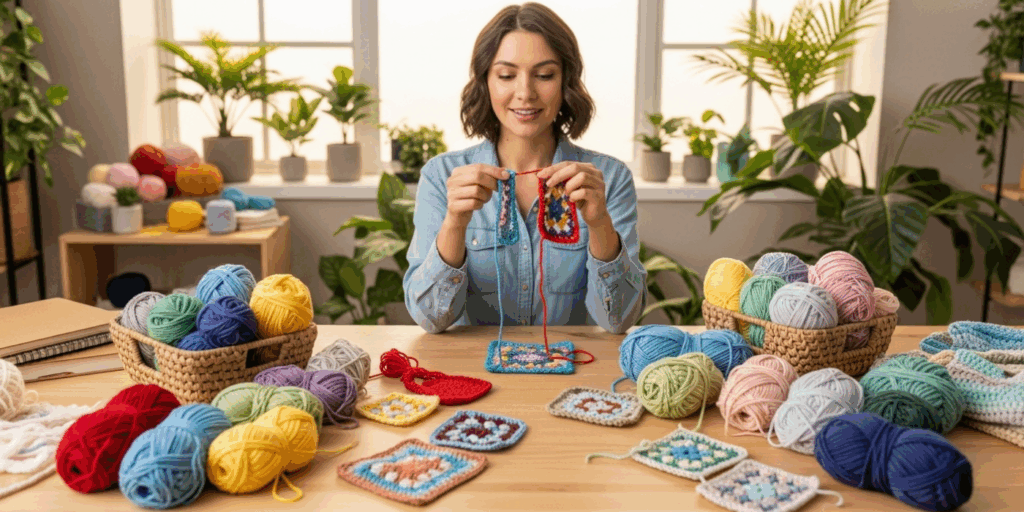
Let’s be real: yarn isn’t cheap. A single skein of luxury alpaca can cost $30. A pack of acrylic? $3.
But here’s the truth: you don’t need to spend a fortune to make something beautiful.
Budget-friendly tip:
- Use acrylic for practice, gifts, or items that need frequent washing.
- Splurge on wool or silk for special pieces you’ll treasure.
- Look for sales, clearance bins, or secondhand yarn groups on Facebook or Etsy. Many crafters sell leftover skeins for pennies.
Color matters more than you think.
Bright colors? Great for visibility if you’re learning.
Dark colors? Hide mistakes… but make it hard to see your stitches.
Self-striping or variegated yarns? Beautiful—but they can obscure stitch patterns. Use them for simple projects like scarves or blankets.
Final piece of advice: Don’t be afraid to experiment.
Try a new fiber. Buy a color you’d never normally choose. Crochet something just because it looks fun.
I once bought a skein of rainbow-tipped acrylic just because it made me smile. I made a hat for my nephew. He wore it every day for months. It wasn’t fancy. But it was joy.
And that’s the heart of crochet. It’s not about perfection. It’s about connection—between you, your hands, and the yarn.
Conclusion: Your Yarn, Your Story
Choosing the right yarn isn’t about following rules—it’s about understanding your project, your life, and your heart.
You learned that:
- Yarn weight determines how your project turns out.
- Fiber affects comfort, warmth, and care.
- Care instructions match your lifestyle.
- Texture impacts how much you enjoy the process.
- Budget and color let you express yourself without pressure.
The perfect yarn isn’t the most expensive one. It’s the one that feels right in your hands, suits your project, and brings you joy while you make it.
So next time you stand in front of that rainbow wall of yarn, pause. Ask yourself: Who is this for? What will it do? How do I want to feel while making it?
Then pick one. Just one. And start.
You don’t need to get it perfect. You just need to begin.
Now I’d love to hear from you: What’s the most surprising yarn you’ve ever used—and how did it turn out? Did you discover a new favorite fiber? Share your story in the comments below. And if this guide helped you avoid a yarn disaster, please share it with a fellow crocheter. Because every stitch counts—and every yarn choice deserves to be made with care.
Happy crocheting. 🧶
Gabriela Ferreira is a passionate crochet and knitting enthusiast who finds inspiration in every skein of yarn she touches. With a love for color, texture, and handmade detail, she brings creativity and warmth to each project she creates. Gabriela believes that every stitch tells a story, and she enjoys sharing her craft with others who appreciate the beauty of fiber arts.