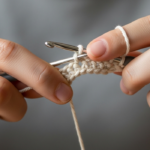
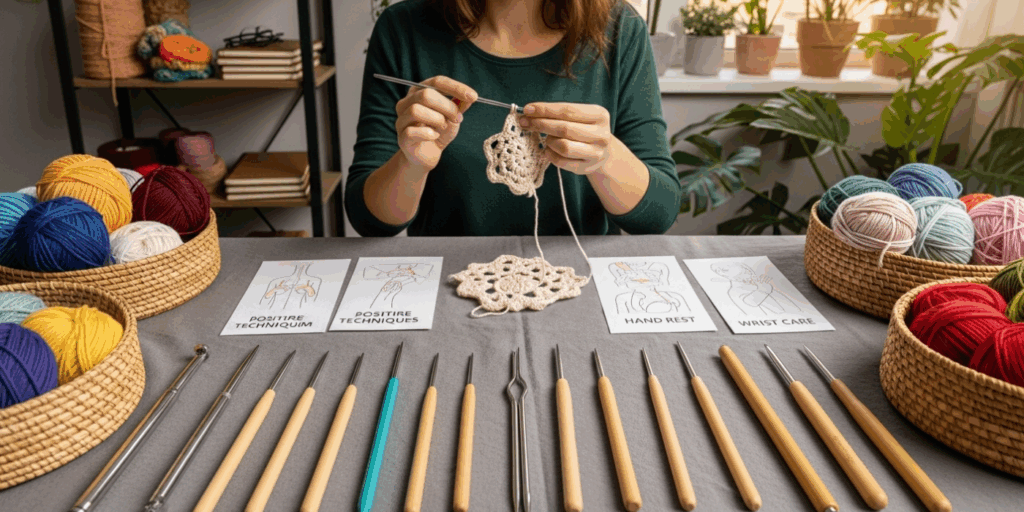
You’ve just finished your third scarf in as many weeks—soft, cozy, and absolutely beautiful. But when you put down your hook, your fingers ache. Your wrist feels stiff. Your shoulder? Tighter than a tightly wound ball of yarn.
If this sounds familiar, you’re not alone. Millions of crocheters around the world love the rhythm of the hook, the snap of the yarn, the slow magic of turning loops into art. But too many of us pay the price—literally—with pain, fatigue, and even long-term strain.
The truth? Your crochet hook isn’t just a tool. It’s an extension of your hand. And if it doesn’t fit your body, it’ll fight you every stitch of the way.
In this guide, we’ll explore the materials behind your favorite hooks—from sleek aluminum to soothing wood—and why they matter more than you think. Then, we’ll dive into simple, science-backed ergonomic tips that can transform your crocheting from a painful chore into a joyful, sustainable practice. Whether you’re a beginner or a decades-long crafter, these insights will help you craft longer, feel better, and fall in love with your hobby all over again.
Let’s get started.
Why Your Hook’s Material Matters More Than You Think
You’ve probably picked up a hook based on price, color, or what’s on sale at the craft store. But here’s the secret: the material of your hook affects how it feels in your hand, how much pressure you need to apply, and even how long you can crochet before discomfort sets in.
Let’s break it down.
Aluminum hooks are lightweight, smooth, and affordable. Great for fast work, right? But here’s the catch: they’re cold to the touch and can feel slippery, especially if your hands get a little sweaty. That means you grip tighter—tighter grip equals more tension in your fingers and thumb. Over time, that contributes to tendon strain.
Plastic hooks are warmer than aluminum and often have a slightly grippier surface. Many beginners love them because they’re forgiving and don’t slide as much. But low-quality plastic can warp with heat or overuse, and some people find them too flimsy for intricate projects.
Now, wood and bamboo hooks? These are where the magic happens for many crafters. They’re naturally warm, slightly textured, and absorb moisture from your skin. That means less slipping, less gripping, and less fatigue. I remember my friend Linda, a retired teacher who crochets daily for her grandchildren. She switched from aluminum to bamboo after developing thumb pain—and within two weeks, her discomfort vanished. “It’s like the hook breathes with me,” she told me.
Steel hooks, used for fine thread work like doilies or lace, are dense and heavy. They’re necessary for precision, but if you’re using them for hours, they can turn your wrist into a sore mess. That’s why many crocheters use them only for short bursts or pair them with ergonomic grips.
And then there’s silicone-coated or cushioned hooks—a newer innovation. These have soft, rubbery handles that cradle your fingers like a hug. They’re perfect for arthritis sufferers or anyone who’s ever winced after a long crocheting session.
Bottom line? Your hook’s material isn’t just about aesthetics—it’s about ergonomics. A material that reduces friction, absorbs shock, and encourages a relaxed grip can mean the difference between enjoying your craft and dreading it.
So next time you buy a hook, ask yourself: Does this feel good in my hand? Or does it make me want to squeeze harder?
The Silent Culprit: How Grip Pressure Wrecks Your Hands (And How to Fix It)
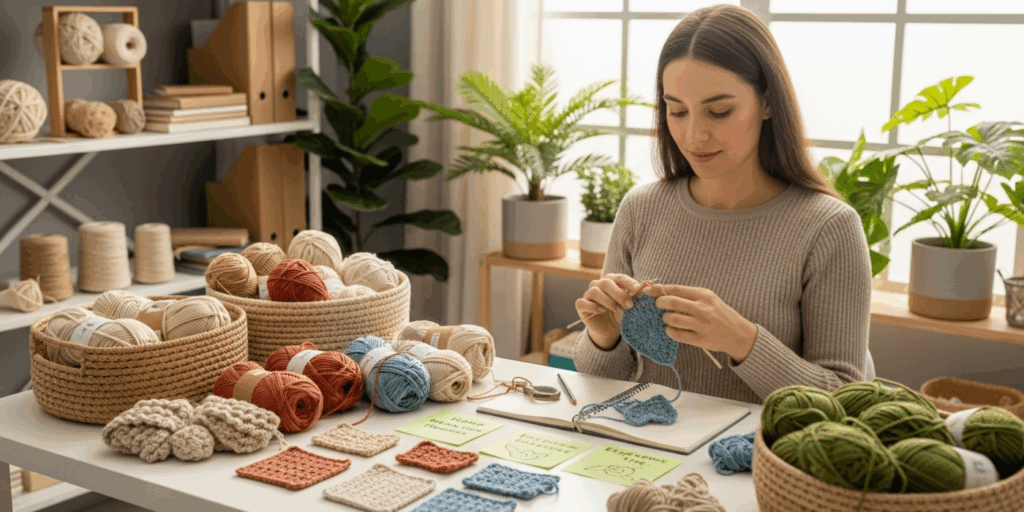
Here’s a shocking truth: most crocheting pain doesn’t come from how long you crochet—it comes from how hard you hold the hook.
Think about it. When you’re focused on your pattern, your brain is on the stitches, not your fingers. Before you know it, you’re gripping that hook like you’re trying to wrestle it into submission. Your thumb presses hard against the shaft. Your index finger curls tight. Your wrist twists just a little to get that perfect tension.
Over time, this constant tension leads to tendinitis, carpal tunnel, or even trigger finger—conditions that aren’t just painful, they can sideline your hobby for weeks or months.
I spoke with Sarah, a physical therapist who specializes in hand injuries among crafters. “We see so many crocheters who think they’re just ‘getting old,’” she told me. “But it’s not age. It’s technique. They’re using muscles they don’t need to.”
So how do you fix it?
Try this simple exercise right now: Hold your hook as you normally would. Then, gently relax your grip—just a little. Imagine you’re holding a baby bird. Not too loose, not too tight. Just enough to keep it safe.
Now, take a deep breath. Feel your shoulders drop. Let your forearm rest on the table. Notice how much lighter your hand feels?
That’s the sweet spot.
Pro tip: Use a mirror or record yourself crocheting for 30 seconds. Watch your grip. Are your knuckles white? Is your thumb jammed against the hook? If yes, you’re gripping too hard.
Another game-changer? Switch hands occasionally. Yes, even if you’re right-handed. Alternate holding the hook with your left hand for a few rows. It’s not about becoming ambidextrous—it’s about giving your dominant hand a rest. Your muscles will thank you.
And here’s a bonus hack: Keep your wrist neutral. Don’t bend it up, down, or sideways. Keep it straight, like you’re holding a glass of water. This tiny adjustment reduces strain on your median nerve—the same nerve compressed in carpal tunnel syndrome.
You don’t need to be perfect. Just aware. Every time you feel tension creeping in, pause. Shake out your hands. Breathe. Reset.
Your hands weren’t made to hold a hook like a hammer. They were made to create.
Ergonomic Upgrades: Tools That Actually Make a Difference
You don’t need expensive gear to crochet comfortably—but the right tools can turn a painful habit into a peaceful ritual.
Let’s talk about ergonomic crochet hooks.
These aren’t just gimmicks. Many are designed by occupational therapists and crafters with chronic pain. Brands like Clover Amour, Tulip Etimo, and Furls Streamline have contoured handles that fit the natural curve of your hand. Some even have weighted ends to reduce the effort needed to move the hook.
I tested a few myself. The Clover Amour, with its soft rubber grip and balanced weight, felt like it was made for my hand. I crocheted for 45 minutes straight—something I hadn’t done in years without stopping to stretch.
But you don’t have to buy a new hook to get ergonomic benefits.
Try these low-cost upgrades:
- Foam tubing: Wrap it around your existing hook. It’s cheap (under $5), easy to find at medical supply stores, and instantly adds cushion. I’ve seen crocheters with arthritis use this and say it’s like “wearing gloves for their fingers.”
- Hook grips: These are small silicone or rubber sleeves that slip over the hook handle. Look for ones with texture—not too smooth. You want something that gives you control without pressure.
- Hook holders: If you use multiple sizes, keep them organized in a padded case. No more digging through drawers and grabbing the first hook you find—especially if it’s the wrong size or shape for the project.
- Lighting and posture: Don’t underestimate this. Poor lighting makes you lean in, which strains your neck and shoulders. Use a good lamp. Sit in a chair with lumbar support. Keep your yarn at elbow height—no reaching, no hunching.
One of my favorite stories? A woman named Diane, 72, who started crocheting again after her hip surgery. She couldn’t sit for long, couldn’t hold a hook without pain. She bought a $12 foam grip, adjusted her chair, and started crocheting in 10-minute bursts. Within a month, she was making blankets again—without pain.
She told me: “I didn’t stop loving it. I just learned how to love it differently.”
That’s the heart of ergonomic crafting: it’s not about working harder. It’s about working smarter.
The Power of Routine: How to Crochet Without Wearing Your Body Down
You wouldn’t run a marathon without training. Yet, many of us treat crocheting like it’s just “a hobby,” not the physical activity it truly is.
A 2021 study published in the Journal of Hand Therapy found that crocheters who practiced for more than 2 hours daily without breaks were 3x more likely to develop repetitive strain injuries than those who took regular pauses.
So here’s your new mantra: Crochet in sprints, not marathons.
Try the 20-5 Rule: Crochet for 20 minutes. Then, take 5 minutes to stretch.
Here’s a quick, no-equipment stretch routine you can do right at your chair:
- Finger spreads: Open your hand wide, spread your fingers as far apart as you can. Hold for 5 seconds. Repeat 3 times.
- Wrist circles: Gently rotate your wrists clockwise, then counterclockwise. 5 circles each way.
- Thumb stretch: Gently pull your thumb back with your other hand. Hold for 10 seconds. Switch sides.
- Shoulder rolls: Roll your shoulders forward 5 times, then backward 5 times. Release the tension you didn’t even know you were holding.
Bonus tip: Set a timer on your phone. Even if you’re deep in your project, that 5-minute break is non-negotiable. Your body will thank you—and your stitches will be even better when you return.
Also, switch projects often. If you’re working on a dense, tight granny square blanket, take a break and do something with looser stitches—like a lacy shawl. Different motions = different muscles used = less strain.
And don’t forget hydration. Yes, hydration. Dry hands are more prone to friction and cracking. Keep a little hand cream nearby. Rub it in during your breaks. It’s not just self-care—it’s craft care.
The goal isn’t to stop crocheting. It’s to keep crocheting—for years, decades, a lifetime.
The Emotional Side: Crafting as Healing, Not Harm
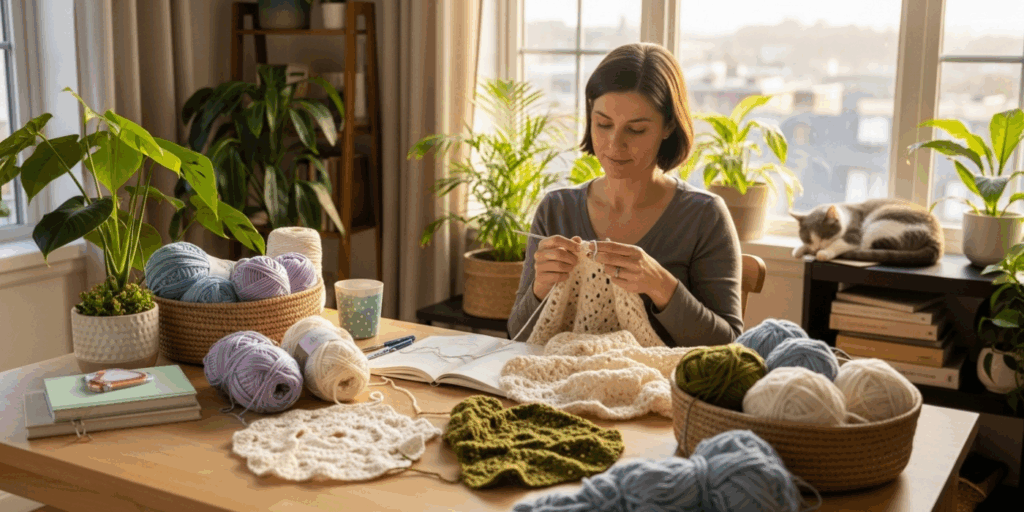
There’s something deeply healing about crochet. The rhythm. The repetition. The way a single loop becomes a blanket, a hat, a gift.
But when pain creeps in, that healing turns into stress.
I’ve heard from so many crocheters who say: “I love it, but I hate how it makes me feel afterward.” That’s heartbreaking. Because crochet should be a sanctuary—not a source of pain.
The truth is, your craft is a form of self-expression. It’s therapy. It’s mindfulness. It’s connection—to yourself, to others, to generations of makers before you.
When you ignore the physical toll, you’re not just risking injury. You’re risking losing the joy.
That’s why ergonomic habits aren’t just practical—they’re emotional acts of self-love.
Think of it this way: Would you keep wearing shoes that give you blisters because “they’re the only ones I have”? Of course not. You’d find a better fit.
Your crochet hook is the same.
Choosing a comfortable grip, taking breaks, adjusting your posture—these aren’t signs of weakness. They’re signs of wisdom.
I once interviewed a woman named Evelyn, who crocheted through chemotherapy. She said, “My hook was my anchor. But when my hands hurt too much, I stopped. I didn’t quit crochet. I just changed how I did it. I used a bigger hook. I sat in my recliner. I crocheted one row at a time. And I still made blankets for the hospital.”
She didn’t let pain steal her peace. She adapted.
And so can you.
Final Thoughts: Craft With Joy, Not Pain
Let’s bring it all together.
You’ve learned that hook material matters—wood and silicone can be your best friends.
You’ve discovered that grip pressure is the silent killer—and that relaxing your hold changes everything.
You’ve seen how ergonomic tools and simple stretches can protect your hands without costing a fortune.
And you’ve understood that crocheting is more than a hobby—it’s a healing practice that deserves to be nurtured, not punished.
The next time you pick up your hook, pause for a moment.
Ask yourself:
Does this feel good?
Am I gripping too hard?
Have I taken a break today?
If the answer to any of those is “no,” it’s time to make a small change.
You don’t need to buy the most expensive hook. You don’t need to become a yoga master. You just need to listen—to your hands, to your body, to the quiet voice that says, “I’m here to create, not to suffer.”
Start today. Swap one hook for a softer one. Try the 20-5 rule. Wrap a bit of foam around your current hook. Stretch before you begin.
Your future self—the one who’s still crocheting at 80, making blankets for great-grandchildren—will thank you.
And if you’ve made it this far? You’re already on the right path.
What’s your favorite ergonomic trick?
Do you use a special hook, grip, or stretch routine? Share your story in the comments below—I read every one. And if you found this helpful, please share it with a fellow crocheter who’s been hurting but hasn’t known how to fix it.
Together, let’s keep the art of crochet alive—comfortably, joyfully, and pain-free—for generations to come.
Happy hooking. 🧶💛

Gabriela Ferreira is a passionate crochet and knitting enthusiast who finds inspiration in every skein of yarn she touches. With a love for color, texture, and handmade detail, she brings creativity and warmth to each project she creates. Gabriela believes that every stitch tells a story, and she enjoys sharing her craft with others who appreciate the beauty of fiber arts.