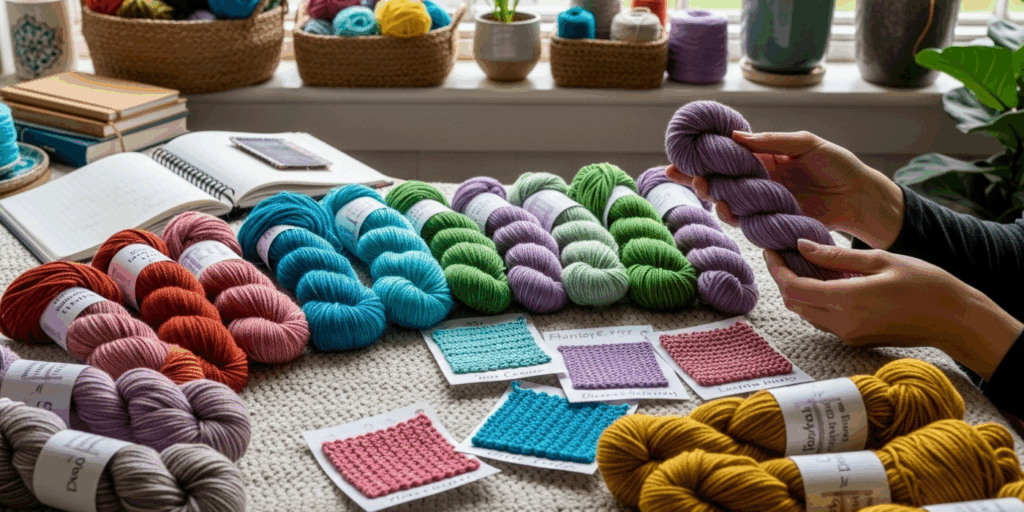
Imagine holding a skein of yarn that looks like a sunset melted into silk—deep purples bleeding into coral, flecks of gold shimmering like morning light on water. Now imagine knowing that no two skeins are exactly alike… because this one was dipped, stirred, and lovingly dried by a single person in their backyard studio, somewhere in Oregon, or maybe in a tiny cottage in Wales. This isn’t mass-produced fabric from a factory. This is art you can knit into a sweater.
Hand-dyed yarn from independent makers isn’t just a trend—it’s a quiet revolution in the world of fiber arts. As more of us seek meaning, authenticity, and connection in our daily lives, the demand for handmade, small-batch yarn has exploded. And it’s not just about color. It’s about story. About ethics. About supporting someone’s dream with every stitch you make.
In this article, we’ll dive deep into the world of indie hand-dyed yarn. You’ll learn why it’s so special, how it’s made, how to choose the best skeins for your projects, and where to find makers who truly pour their hearts into their work. We’ll also explore how buying from indie dyers isn’t just a craft choice—it’s a lifestyle choice that supports sustainability, creativity, and community.
Whether you’re a seasoned knitter, a curious beginner, or someone who just loves beautiful things, this is for you. Let’s unravel the magic behind the skein.
Why Hand-Dyed Yarn Feels Different—It’s Not Just Color
You’ve probably noticed that store-bought yarn often looks… predictable. Uniform. Perfectly consistent. That’s because it’s machine-dyed in huge vats, designed for mass production. Every skein matches the next, because consistency equals efficiency.
But hand-dyed yarn? It’s alive.
Each skein is a unique expression—like a watercolor painting where the pigments dance and settle in unpredictable ways. One skein might have a gradient that shifts from midnight blue to lavender, while the next, dyed by the same artist, might bloom with mossy greens and hints of rust. No two are identical. And that’s the point.
This uniqueness isn’t just aesthetic—it’s emotional. When you hold a skein of hand-dyed yarn, you’re holding the result of hours of careful work: soaking fibers in vinegar baths, simmering dye pots over low heat, stirring with wooden spoons, and hanging skeins to dry in sunlight. There’s no automation here. Just patience, intuition, and passion.
And that’s why so many knitters feel a deeper connection to their projects when they use indie yarn. It transforms knitting from a task into a ritual. You’re not just making a scarf—you’re wrapping yourself in someone else’s creativity.
A 2023 survey by the Craft Yarn Council found that 68% of knitters and crocheters now actively seek out hand-dyed or small-batch yarns, citing “uniqueness” and “supporting artisans” as top reasons. That’s not a niche preference—it’s a movement.
Think of it this way: Would you rather wear a shirt from a global brand, or one stitched by a local tailor who knows your size, your style, your story? Hand-dyed yarn offers that same level of personalization—but in fiber form.
The Art Behind the Dye: How Indie Makers Work Their Magic
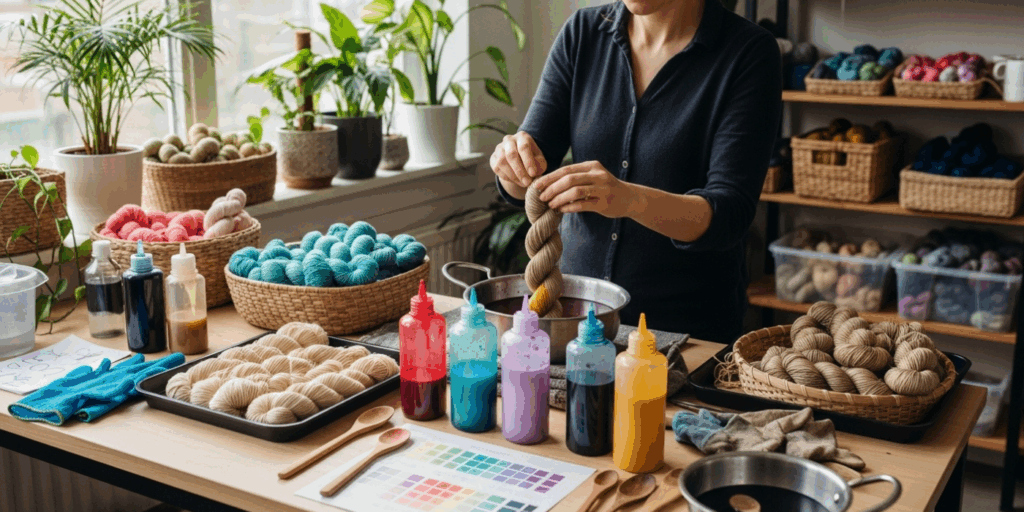
So how do these magical skeins come to life?
It starts with the fiber. Most indie dyers use high-quality bases—merino wool, alpaca blends, silk, cashmere, or even plant-based fibers like bamboo or linen. The choice of base affects how the dye absorbs, how soft the final product feels, and even how durable it is.
Then comes the dyeing process. Unlike industrial dyeing, which uses large machines and synthetic dyes in controlled environments, indie dyers often work in small kitchens, studios, or even garages. They mix dyes by hand—using acid dyes for wool, or natural dyes like indigo, madder root, or onion skins for those seeking a more earthy, sustainable approach.
Some dyers use techniques like speckling (sprinkling dye in random spots), gradient dipping (slowly lowering skeins into dye baths to create ombre effects), or repeatable colorways (designing signature palettes that become beloved staples in their collections).
One of my favorite indie dyers, Sarah from “Wildroot Dyes” in Vermont, describes her process like this: “I don’t measure everything. I listen to the yarn. Sometimes it tells me it needs more red. Sometimes it wants to rest overnight before I add the next layer.”
That’s the soul of indie dyeing: intuition over automation.
And because they work in small batches—often just 5 to 20 skeins per colorway—there’s no pressure to churn out thousands. This means less waste, less overproduction, and more attention to detail.
Pro tip: Look for dyers who list their dyeing methods and fiber sources. Transparency is a hallmark of ethical indie makers. If they don’t tell you what’s in their dye or where their wool comes from, ask. Good makers love to share their process.
Choosing the Right Hand-Dyed Yarn for Your Project
Not all hand-dyed yarns are created equal—and not every skein is right for every project.
Let’s say you want to knit a lace shawl. You’d want a lightweight, smooth yarn with excellent stitch definition—think fingering weight merino-silk blend. A heavily variegated colorway might obscure the delicate lace pattern. In that case, you’d want a semi-solid or tonal colorway: subtle shifts in shade that enhance, not distract.
On the other hand, if you’re making a chunky cowl or a cozy blanket, bold, variegated colors can be stunning. The texture and thickness of the yarn will make the color changes pop, creating a visual feast.
Here’s a simple guide:
- For lace or intricate patterns: Choose semi-solid, tonal, or subtle variegated yarns.
- For cables, texture, or bulky projects: Go bold! Variegated, speckled, or high-contrast colorways shine.
- For gifts: Pick a colorway that matches the recipient’s style—soft pastels for a gentle soul, rich jewel tones for someone bold.
- For beginners: Start with a solid or semi-solid base. It’s easier to see your stitches and build confidence.
Also, pay attention to fiber content. Wool is warm and elastic—great for sweaters. Alpaca is softer but less durable. Silk adds sheen and drape. Cotton is cool and breathable but has no “memory,” so it’s better for summer accessories.
And here’s a little secret: always buy enough yarn for your entire project from the same dye lot. Even if two skeins are the same colorway, if they were dyed in different batches, they might have slight variations. Indie dyers often label their batches with codes—write them down, or buy two skeins at once.
Many indie shops offer “skein sets” or “mini-skein bundles” perfect for colorwork projects like socks, mittens, or shawls. These are a joy to work with—and they make great gifts for fellow crafters.
The Ripple Effect: How Buying Indie Yarn Supports More Than Just a Business
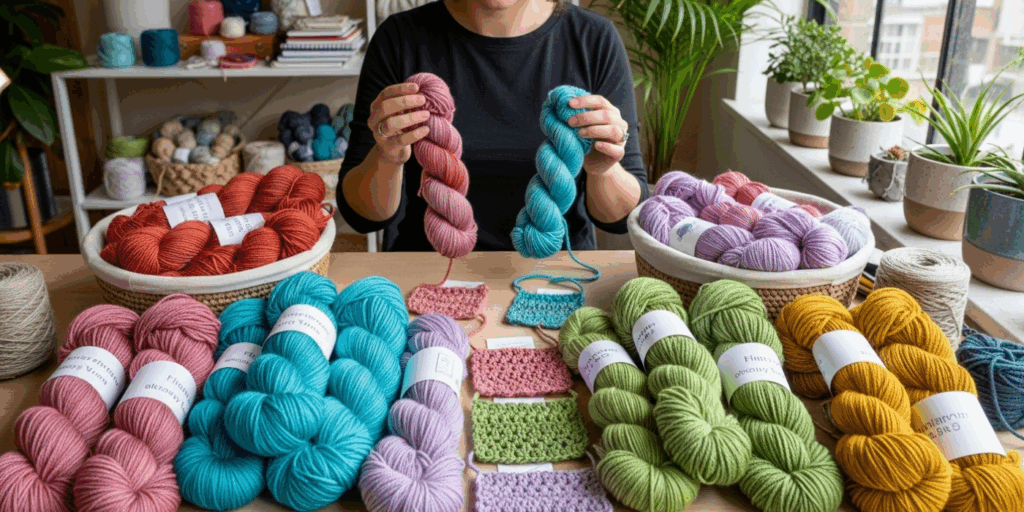
When you buy hand-dyed yarn from an indie maker, you’re not just buying yarn.
You’re supporting a single parent who dyes in the evenings after putting their kids to bed.
You’re helping a retired teacher who turned her hobby into a full-time livelihood.
You’re giving a young artist in rural Tennessee the chance to afford rent while doing what they love.
According to Etsy’s 2024 Small Business Report, over 4.7 million sellers on the platform are micro-businesses—most with fewer than five employees. Nearly 60% of them are women. And fiber artists? They’re among the most passionate and community-driven.
Indie dyers rarely have marketing teams or big ad budgets. They rely on word-of-mouth, Instagram reels showing dyeing in slow motion, and heartfelt Etsy descriptions. When you buy from them, you’re not just getting a skein—you’re becoming part of their story.
And there’s an environmental benefit, too.
Many indie dyers prioritize sustainability:
- Using low-impact, non-toxic dyes
- Reusing water and dye baths
- Packaging in recycled or compostable materials
- Sourcing wool from small, ethical farms that treat animals well
Compare that to large-scale yarn manufacturers, which often rely on synthetic dyes, massive water usage, and overseas labor. The environmental footprint? Much heavier.
By choosing indie, you’re voting—with your wallet—for a slower, kinder, more thoughtful way of making things.
Bonus: Many indie dyers offer “yarn swaps,” “club memberships,” or “mystery skeins” where you get a surprise colorway each month. It’s like a monthly gift for your creative soul.
Finding Your Perfect Indie Dyers: Where to Look and What to Watch For
So where do you even start?
The good news? There are so many incredible indie dyers out there. But with so many options, it can feel overwhelming.
Start here:
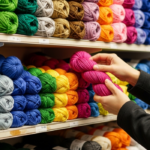
- Etsy – The biggest hub for indie yarn. Use filters like “hand-dyed,” “small business,” and “made in the USA” (or your country). Read reviews—not just for quality, but for communication. A good dyer responds quickly and shares photos of the actual skein.
- Instagram and TikTok – Search #handdyedyarn or #indiedyer. Many dyers post behind-the-scenes videos of their process. Watch how they handle their dye pots, how they rinse skeins, how they hang them to dry. You’ll start to recognize their style.
- Ravelry – The online community for knitters and crocheters. Search “hand-dyed yarn” in their database. You’ll find detailed project photos, fiber content, and user reviews. It’s like Yelp for yarn lovers.
- Local Fiber Festivals – If you’re lucky enough to live near one, attend! These events bring together dozens of dyers, spinners, and fiber artists. You can touch the yarn, ask questions, and meet the people behind the colors.
What to look for in a good indie dyer:
- Clear photos of the actual yarn (not stock images)
- Detailed fiber content and care instructions
- Ethical sourcing info (e.g., “wool from family-run farms in Montana”)
- Willingness to answer questions via DM or email
- Consistent, thoughtful packaging
Avoid sellers who use the same photos for every colorway, or who don’t list their dye methods. Authenticity matters.
And don’t be afraid to spend a little more. A $35 skein of hand-dyed yarn isn’t expensive when you consider the time, skill, and care poured into it. Think of it as investing in a piece of art you’ll wear for years.
The Joy of the Unexpected: Why Hand-Dyed Yarn Makes Knitting Feel Like a Gift
There’s something magical about opening a new skein of hand-dyed yarn.
It’s not just the color. It’s the anticipation. The way the light catches the fibers. The faint scent of lavender or vinegar lingering on the yarn. The knowledge that no one else in the world has this exact shade.
I remember the first time I used a hand-dyed skein. I’d bought it on a whim—a speckled navy and teal from a dyer I’d never heard of. I made a simple cowl, just to try it out.
When I finished, I didn’t just have a cowl. I had a conversation starter. My sister asked where I got it. My friend wanted to know how to buy it. My neighbor, who’d never knitted before, asked if she could learn.
That one skein sparked three new friendships.
Hand-dyed yarn doesn’t just make beautiful things. It makes connections.
It reminds us that in a world of fast fashion and disposable goods, there’s still space for slow, intentional making. For art that’s worn, not just displayed. For objects that carry stories—not just tags.
Every stitch you knit with hand-dyed yarn is a quiet act of resistance against mass production. A gentle rebellion. A celebration of the human hand.
Final Thoughts: Your Next Skein Is More Than Yarn
So what’s your next step?
Maybe it’s buying one skein of hand-dyed yarn just to see what it feels like.
Maybe it’s joining a local knitting circle and sharing your favorite indie dyer with others.
Maybe it’s sending a thank-you note to the maker whose colors inspired your latest project.
You don’t need to overhaul your entire yarn stash. You just need to start noticing.
Because behind every skein of hand-dyed yarn is a person. A dreamer. A quiet artist working with their hands, hoping someone will see the beauty in their work.
And when you choose their yarn, you’re not just knitting a sweater.
You’re knitting hope.
You’re knitting community.
You’re knitting a world where creativity still matters.
So go ahead—find that one skein that speaks to you. The one with the color you didn’t know you needed. The one that makes your heart skip a beat.
Knit it slowly.
Wear it proudly.
And when someone asks where you got it?
Tell them the story.
What’s your favorite hand-dyed yarn colorway?
Have you ever met a dyer in person—or sent them a thank-you note?
Share your story in the comments below. Let’s build a little community of color lovers, stitch by stitch. 💛
Gabriela Ferreira is a passionate crochet and knitting enthusiast who finds inspiration in every skein of yarn she touches. With a love for color, texture, and handmade detail, she brings creativity and warmth to each project she creates. Gabriela believes that every stitch tells a story, and she enjoys sharing her craft with others who appreciate the beauty of fiber arts.