You’ve got a brilliant idea. A website that converts. A brand that stands out. A product that changes lives.
But here’s the catch: you can’t build it alone.
Whether you’re a startup founder, a marketing manager, or a small business owner, chances are you’ve hit that moment when your vision needs a visual voice. That’s where designers come in. Not just “someone who makes things look pretty”—but strategic partners who turn ideas into experiences.
Yet, too many collaborations stumble. Missed deadlines. Confusing feedback. “I thought you meant this…” moments. And worst of all—end results that don’t feel like your vision at all.
The truth? Great design doesn’t happen by accident. It happens through intentional collaboration.
In this article, we’ll walk through the real, practical ways to work with designers—not as clients and vendors, but as teammates. You’ll learn how to communicate clearly, set expectations that stick, give feedback that actually helps, and build a relationship that grows stronger over time. No jargon. No fluff. Just actionable tips you can use starting today.
Because when you and your designer are in sync, magic happens. And you don’t want to miss it.
1. Think Like a Teammate, Not a Client
Let’s start with a mindset shift.
Too often, people treat designers like order-takers: “I want a logo in blue. Make it pop. And can you do it by tomorrow?”
But designers aren’t graphic technicians—they’re problem solvers. They think in systems, user journeys, emotional impact, and brand consistency.
When you approach them as a client with a checklist, you limit their ability to add real value.
Think of it this way: Would you ask a chef to cook your favorite meal without telling them what ingredients you like—or whether you’re allergic to anything? Probably not. Yet, that’s exactly what we do with designers.
Here’s how to flip the script:
- Start with “Why,” not “What.” Instead of saying, “I need a new homepage,” say, “We’re losing visitors on our homepage because they don’t know what we do. I need help making our purpose instantly clear.”
- Share context. Tell them about your audience, your competitors, your goals. A designer who understands your business can make smarter choices—even if you didn’t know to ask for them.
- Invite them early. Don’t wait until the last minute to bring them in. If you’re planning a product launch, invite your designer during the planning phase—not just when the wireframes are done.
Real example: A local bakery owner came to me saying, “I need a new menu.” I asked why. She said, “Because people say it looks outdated.” But when we dug deeper, she admitted customers were confused about which items were seasonal or vegan. The designer didn’t just redesign the layout—they added icons, simplified categories, and created a dynamic digital version for social media. Result? 37% increase in online orders in two months.
When you treat your designer as a partner in solving business problems—not just a visual assistant—you unlock far greater results.
2. Communication Is the Secret Weapon (And Most People Skip It)
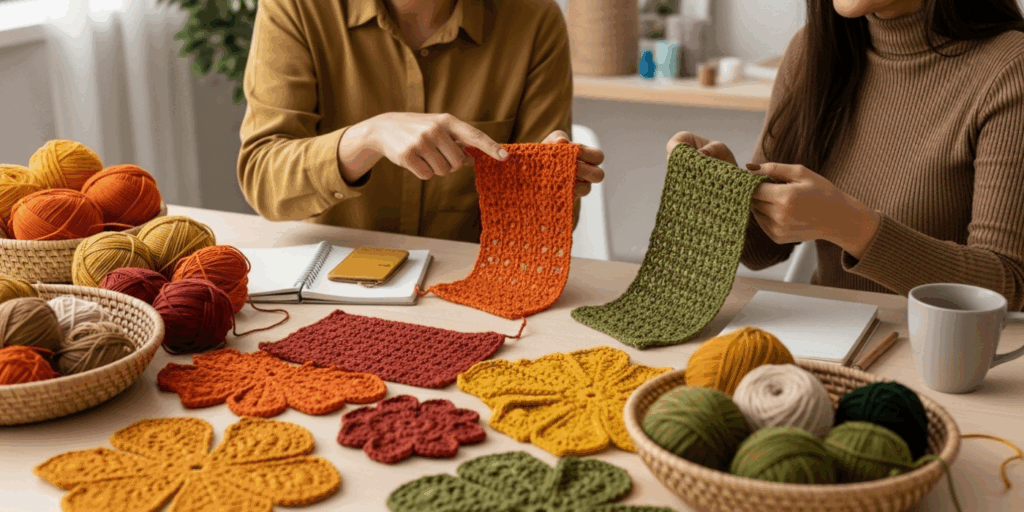
Imagine two teams building a house.
Team A: The architect draws blueprints. The contractor builds. They rarely talk.
Team B: The architect and contractor meet weekly. They chat about materials, weather delays, client preferences. They adjust as they go.
Which house gets built better? Which one finishes on time?
In design work, communication isn’t just nice to have—it’s the foundation.
But here’s the problem: Most people communicate badly with designers.
They send vague feedback like:
“I don’t like it.”
“Can you make it more modern?”
“It feels off.”
That’s like telling a chef, “This soup is wrong.” Without specifics, they’re flying blind.
Here’s how to give feedback that actually works:
✅ Use the “SBI” Method:
- Situation: “On the homepage, when users land…”
- Behavior: “…they scroll past the headline without stopping.”
- Impact: “That means we’re not communicating our core offer clearly.”
✅ Be specific, not subjective.
Instead of: “I hate the color.”
Try: “The dark teal background makes the white text hard to read on mobile. Could we try a lighter shade?”
✅ Use visuals to guide, not just criticize.
Show examples you like (and why). “I love how this site uses whitespace—it feels calm and premium.”
Show examples you dislike. “This one feels cluttered—I want to avoid that.”
And here’s a pro tip: Schedule short, regular check-ins.
Even 15 minutes a week via Zoom keeps everyone aligned. No long email threads. No last-minute surprises. Just consistent, low-pressure syncs.
Bonus: Use tools like Figma or Miro for live feedback. Comment directly on the design. It’s faster, clearer, and less prone to misinterpretation than sending 10 emails back and forth.
Good communication doesn’t mean talking more.
It means talking better.
3. Set Clear Boundaries (Yes, Even with Nice People)
Let’s be honest: Designers are often the most patient, accommodating people you’ll meet. They’ll stay up late. They’ll make 17 revisions. They’ll say, “No problem!” even when they’re overwhelmed.
That’s why boundaries are essential.
Without them, you risk burnout—for them, and for you.
Here’s how to set healthy, respectful boundaries from day one:
🔹 Define the scope upfront.
How many revisions are included? What’s covered in this project? (Logo? Brand guide? Social assets?)
Write it down—even if it’s just a quick email:
“This project includes 3 rounds of revisions on the logo design, plus one final file set. Additional changes beyond that will be billed at $75/hour.”
🔹 Respect their time.
Don’t ping them at 10 p.m. on a Sunday unless it’s an emergency.
Don’t drop a 10-page document with 50 “changes” the night before a deadline.
Designers need space to think, create, and rest—just like you.
🔹 Protect their creative process.
Avoid micromanaging. If they suggest a font you didn’t expect, don’t say, “No, I want Helvetica.” Ask: “Why did you choose that? How does it serve our audience?”
Sometimes, their choice is better than yours—and that’s okay.
I once worked with a client who insisted on using Comic Sans because “it felt friendly.” We spent two weeks trying to make it work. Finally, we showed her data: 83% of her target audience (women 35–50) associated Comic Sans with “unprofessional” or “childish.” She changed her mind. Fast.
Boundaries aren’t about being harsh.
They’re about creating space for great work.
And when your designer feels respected, they’ll go the extra mile for you—not because they have to, but because they want to.
4. Give Feedback That Builds, Not Breaks
Feedback is where most collaborations go sideways.
One wrong word. One sarcastic comment. One “This looks like my 8-year-old drew it.”
And suddenly, your designer shuts down. Or worse—they stop caring.
The truth? Design is deeply personal. It’s not just pixels—it’s hours of thought, research, and emotional investment.
So how do you give feedback that’s honest but kind? That’s critical but not crushing?
Use the “Feedback Sandwich” (the right way):
- Start with what’s working.“I love how you used the gradient to guide the eye toward the CTA. That’s smart.”
- Then, share the improvement.“The button color is a bit too bright—it’s competing with the headline. Could we tone it down to a deeper coral?”
- End with encouragement.“You’ve done such a great job capturing our brand’s energy. I know we can nail this.”
Avoid the “But” trap.
Instead of: “I like the layout, but the colors are wrong,”
Say: “I like the layout. I wonder if we could adjust the colors to better match our brand guidelines.”
And here’s a game-changer: Ask questions instead of giving commands.
Instead of: “Make the logo bigger.”
Try: “Do you think making the logo slightly larger would help it stand out more on mobile?”
This invites collaboration instead of confrontation.
Real story: A nonprofit leader once told me, “I told my designer to ‘make it pop.’ She cried.”
Why? Because “make it pop” meant nothing. And she felt like her work wasn’t good enough.
After we switched to specific, kind feedback, the next version was their best work yet.
Feedback isn’t about being right.
It’s about helping someone do their best work.
5. Trust the Process (Even When It Feels Slow)
Here’s something I’ve seen over and over:
Clients panic when they don’t see immediate results.
They expect a logo in 24 hours. A full website in a week.
But great design isn’t fast. It’s thoughtful.
Think of it like baking sourdough.
You can’t rush the rise.
You can’t skip the kneading.
And if you open the oven too early? You get a flat, dense loaf.
Design works the same way.
The process usually looks like this:
- Discovery (talking, researching, understanding)
- Sketching & Ideation (lots of rough ideas, not all pretty)
- Refinement (narrowing down, testing, iterating)
- Polishing (final details, file prep, handoff)
Each stage matters. Skipping steps leads to rushed, forgettable results.
Here’s how to stay patient—and even excited—through the process:
- Ask for “concept drafts” early. Even if they’re rough, seeing 3 directions helps you feel involved.
- Celebrate small wins. “I love where this is going!” goes a long way.
- Remind yourself: This isn’t about speed. It’s about impact.
I worked with a fintech startup that wanted their app redesign done in 10 days. We pushed back. Said, “Let’s do it right in 4 weeks.” They agreed.
Result? A 62% increase in user retention.
Would they have gotten that in 10 days? Unlikely.
Trust the process.
Trust your designer’s expertise.
And remember: The best results aren’t the fastest ones—they’re the ones that last.
6. Build a Relationship That Lasts Beyond One Project
Here’s the secret most people miss:
The best designers aren’t hired for one project.
They’re hired to become part of your brand’s long-term story.
Think of your designer like a co-founder.
They understand your voice. Your audience. Your values.
That’s priceless.
So don’t treat them like a one-time vendor.
Here’s how to turn a project into a partnership:
- Check in after launch. “How’s the website performing? Any user feedback we should know about?”
- Bring them into future planning. “We’re launching a new product next quarter—can we grab coffee and brainstorm ideas?”
- Give them credit. Tag them on social. Mention them in press releases.
- Pay them fairly and on time. This isn’t optional. It’s respect.
One client I worked with sent her designer a handwritten note after their first project. She included a small gift card and said, “You made our brand feel human.”
That designer stayed with her for 5 years. And every project got better.
Why? Because she didn’t just pay for pixels.
She paid for trust.
Your designer doesn’t just want a paycheck.
They want to know their work matters.
When you build that kind of relationship, you don’t just get better designs.
You get loyalty.
You get innovation.
You get someone who cares as much as you do.
Conclusion: Design Isn’t Just About Looks—It’s About Connection
Let’s circle back to where we started.
You have a vision.
You need help bringing it to life.
And your designer? They’re not a tool. They’re a translator—turning your ideas into experiences people feel, remember, and act on.
The magic doesn’t happen in Photoshop.
It happens in the quiet moments between you:
When you listen.
When you clarify.
When you trust.
When you say, “Thank you.”
Working with designers isn’t about checking boxes.
It’s about building something meaningful—together.
So next time you’re about to send that vague feedback email… pause.
Ask yourself: Am I being clear? Am I being kind? Am I treating them like a teammate?
Because the best designs don’t come from perfect briefs.
They come from strong relationships.
You don’t need to be a design expert to work with designers.
You just need to be a good human.
Start small.
Try one tip from this article.
Send a thoughtful message.
Ask a real question.
Celebrate a win.
Watch what happens.
And if you’ve ever had a designer who changed the way you saw your brand—tell them.
Or better yet, share this article with someone who needs to hear it.
What’s one thing you’ll do differently in your next design collaboration?
Drop it in the comments below—I’d love to hear how you’re making collaboration better, one conversation at a time.
Because great design?
It’s never just about the final file.
It’s about the people behind it.

Gabriela Ferreira is a passionate crochet and knitting enthusiast who finds inspiration in every skein of yarn she touches. With a love for color, texture, and handmade detail, she brings creativity and warmth to each project she creates. Gabriela believes that every stitch tells a story, and she enjoys sharing her craft with others who appreciate the beauty of fiber arts.