Have you ever walked into a craft store, eyes wide at the rainbow of yarn options, only to feel completely overwhelmed? You’re not alone. For new crocheters, the world of yarn can seem like a beautiful—but confusing—maze. With so many fibers, weights, and textures, how do you know which one will make your first project a success instead of a frustrating tangle?
The truth is, the yarn you choose can make or break your beginner experience. Pick the wrong one, and you might struggle with splitting stitches, inconsistent tension, or even lose motivation altogether. But choose wisely, and you’ll enjoy a smooth, satisfying journey from your first chain stitch to your finished masterpiece.
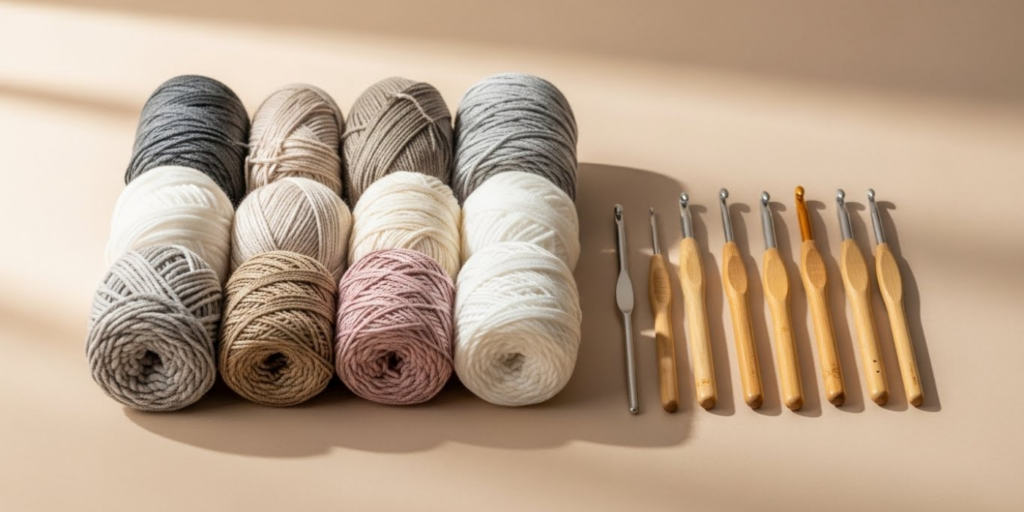
In this guide, we’ll walk you through the most common yarn fibers available to beginners, explaining their pros and cons, ideal uses, and why some are better suited for your first project than others. Whether you’re dreaming of a cozy scarf, a baby blanket, or a simple dishcloth, understanding yarn fibers will empower you to make confident, informed choices—and fall in love with crochet faster.
Let’s unravel the mystery together.
Why Yarn Fiber Matters More Than You Think
When you’re just starting out, it’s tempting to grab the softest or prettiest skein on the shelf. But yarn fiber affects far more than just how your finished item feels—it influences how easy it is to work with, how your stitches look, and even how your project holds up over time.
For example, cotton yarn is sturdy and holds its shape well, making it great for kitchen items—but it doesn’t stretch much, which can feel stiff in your hands. On the other hand, wool is wonderfully elastic and forgiving, helping your stitches stay even—but some beginners find its texture itchy or its “memory” (its tendency to bounce back) a bit tricky to manage.
As a beginner, your main goals should be:
- Visibility: Can you clearly see your stitches?
- Glide: Does the yarn move smoothly through your fingers and hook?
- Forgiveness: Does it hide small tension mistakes?
- Affordability: Is it budget-friendly while you practice?
Natural fibers like wool or cotton offer great performance but can be pricey. Synthetic options like acrylic are often more affordable and widely available—perfect for learning without breaking the bank. The key is matching the fiber to your project type and your skill level.
Remember: your first project isn’t just about the finished piece—it’s about building confidence. Choosing a beginner-friendly fiber sets you up for a positive, frustration-free experience.
Acrylic: The Beginner’s Best Friend
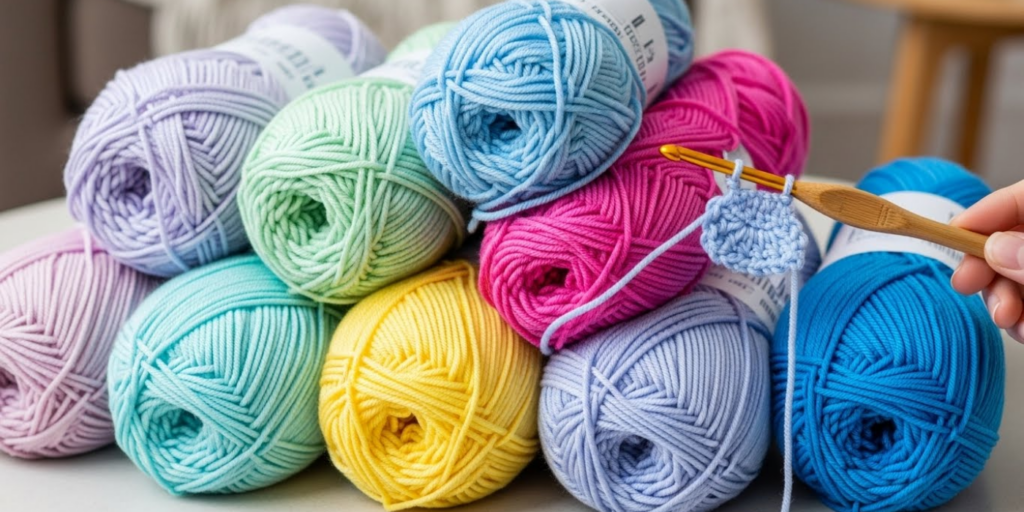
If there’s one fiber most crochet teachers recommend to newcomers, it’s acrylic. And for good reason.
Acrylic is a synthetic fiber made from petroleum-based polymers, engineered to mimic the qualities of natural fibers—but at a fraction of the cost. It’s widely available, comes in every color imaginable, and is often labeled as “easy-care” because it’s machine-washable and durable.
What makes acrylic ideal for beginners? First, it’s inexpensive. You can pick up a skein for just a few dollars, which means you won’t feel guilty if your first swatch ends up riddled with dropped stitches. Second, it has a smooth texture that glides easily over your hook, reducing hand fatigue. Third, it’s consistent—unlike some natural fibers that may have slight variations in thickness, acrylic yarn is uniform, helping you focus on stitch technique rather than compensating for irregularities.
That said, acrylic isn’t perfect. It doesn’t breathe like cotton or wool, so it’s less ideal for summer garments or items that need high absorbency (like washcloths). It can also pill over time with heavy use. But for a beginner scarf, hat, or practice square? It’s hard to beat.
Pro tip: Look for “medium weight” or “worsted weight” (labeled as #4) acrylic yarn—it’s the most versatile and commonly used for learning basic stitches.
Cotton: Crisp, Clean, and Perfect for Practical Projects
Once you’ve mastered the basics with acrylic, you might be ready to try cotton. This natural fiber is a favorite for household items and warm-weather wear because of its breathability, absorbency, and crisp stitch definition.
Cotton yarn feels cool to the touch and holds its shape beautifully—ideal for dishcloths, market bags, summer tops, and baby items (since it’s naturally hypoallergenic). One of the biggest perks for learners? Its stitch clarity. Because cotton doesn’t stretch much, your stitches stay crisp and visible, making it easier to count rows and spot mistakes.
However, cotton’s lack of stretch can be a double-edged sword. It’s less forgiving than wool or acrylic, so uneven tension shows more clearly. It’s also heavier, which can cause hand strain during long sessions or lead to “sagging” in large projects like blankets if not blocked properly.
If you’re drawn to cotton, start small: a simple coaster or face scrubbie lets you experience its texture without committing to a big project. Look for mercerized cotton—it’s smoother and has a subtle sheen that makes your work look polished.
Bonus: Cotton is biodegradable and eco-friendly (especially if organic), making it a sustainable choice for mindful crafters.
Wool and Wool Blends: Warm, Elastic, and Surprisingly Beginner-Friendly
Don’t let the word “wool” scare you off. While some wools can be itchy, many modern yarns—especially merino wool or wool blends—are incredibly soft and comfortable against the skin. More importantly, wool has a natural “give” that makes it surprisingly beginner-friendly.
Wool’s elasticity helps stitches bounce back into shape, which smooths out minor tension inconsistencies. This means your work will look neater even if your stitches aren’t perfectly uniform—a huge confidence booster! It’s also naturally warm, moisture-wicking, and flame-resistant, making it perfect for winter accessories like hats, mittens, and blankets.
One caveat: pure wool often requires hand-washing, which might deter some beginners. That’s where wool-acrylic blends shine. These combine the best of both worlds—wool’s elasticity and warmth with acrylic’s easy care and affordability. A 70/30 or 80/20 wool-acrylic blend is an excellent next step after your first acrylic project.
If you’re sensitive to wool, look for “superwash” labels—this treatment makes wool machine-washable and softer. And don’t forget to check yardage; wool tends to be pricier, so plan smaller projects like headbands or boot cuffs to start.
Specialty and Novelty Yarns: Fun—but Not for First-Timers
It’s hard to resist yarns with sparkles, eyelash fibers, or variegated colorways that shift like a sunset. These novelty yarns are undeniably eye-catching—but they’re best saved for later in your crochet journey.
Why? Because their textures and irregularities can hide your stitches, making it nearly impossible to see where to insert your hook. They often split easily, require special tension control, or behave unpredictably. For a beginner still learning to distinguish a double crochet from a half-double, that’s a recipe for frustration.
That doesn’t mean you should never use them—just not for your first project. Once you’re comfortable with basic stitches and reading your work, novelty yarns can add personality to scarves, shawls, or decorative items. Until then, admire them from afar, or use them as trim on a solid-fiber base.
A good rule of thumb: if you can’t clearly see each stitch after making it, it’s not beginner yarn.
How to Match Fiber to Your First Project
Now that you know the common fibers, how do you choose the right one for your specific goal? Let’s break it down by project type:
- Scarves or Hats: Go with acrylic or a wool blend. They’re warm, easy to work with, and drape nicely.
- Dishcloths or Washcloths: Choose 100% cotton. It’s absorbent, durable, and shows off your stitch patterns.
- Baby Blankets: Opt for soft acrylic or cotton—both are machine-washable and gentle on sensitive skin.
- Amigurumi (crochet toys): Use smooth, tightly spun acrylic in worsted weight. It holds shape well and allows for neat, tight stitches.
- Summer Tops: Lightweight cotton or bamboo blends offer breathability and a polished look.
Also consider yarn weight. For beginners, worsted weight (#4) is the gold standard—it’s thick enough to see your stitches but not so bulky that it becomes unwieldy. Avoid lace weight (#0) or super bulky (#6) until you’ve built more experience.
And always—always—check the yarn label. It tells you fiber content, weight, care instructions, and recommended hook size. This tiny tag holds everything you need to set yourself up for success.
Final Thoughts: Start Simple, Stitch with Joy
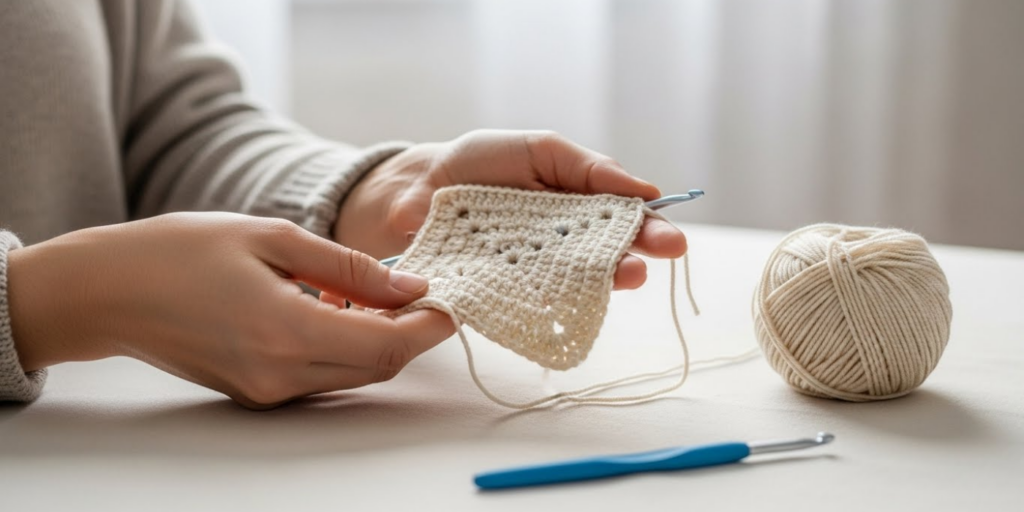
Choosing the right yarn fiber isn’t about perfection—it’s about creating the best possible conditions for you to learn, enjoy, and grow. Your first project should feel encouraging, not intimidating. That means prioritizing ease, clarity, and fun over luxury or complexity.
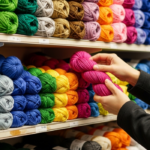
Remember: every expert crocheter started exactly where you are now—standing in front of a yarn wall, heart racing with possibility. By selecting a beginner-friendly fiber like acrylic or cotton, you’re not limiting yourself; you’re giving yourself the gift of a smooth learning curve.
So take a deep breath, pick up that skein of smooth worsted-weight yarn, and make your first chain. Each stitch is a step forward, and with the right fiber in your hands, you’re already halfway to something beautiful.
Ready to Start Crocheting?
Now it’s your turn! What’s the first project you’d love to tackle? Are you leaning toward a cozy acrylic scarf or a crisp cotton dishcloth? Share your plans in the comments below—we’d love to cheer you on! And if you found this guide helpful, please share it with a friend who’s just starting their crochet journey. Happy stitching!

Gabriela Ferreira is a passionate crochet and knitting enthusiast who finds inspiration in every skein of yarn she touches. With a love for color, texture, and handmade detail, she brings creativity and warmth to each project she creates. Gabriela believes that every stitch tells a story, and she enjoys sharing her craft with others who appreciate the beauty of fiber arts.