Introduction
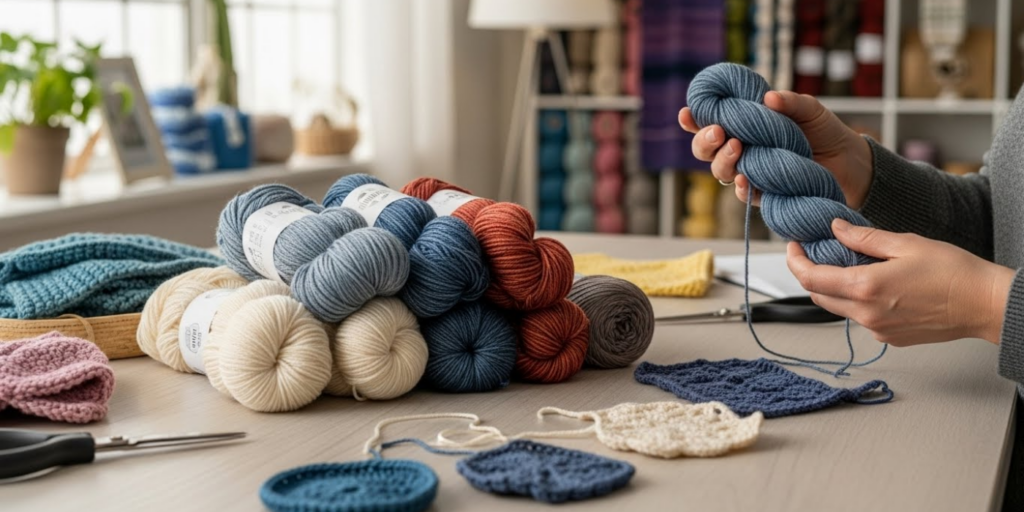
Have you ever run your fingers through a skein of cashmere-blend yarn and felt an instant wave of calm—or held a hank of hand-dyed silk and thought, This isn’t just yarn—it’s art? Luxury fibers don’t just look and feel extraordinary; they transform the act of crocheting into a sensory experience.
But here’s the real question: Is it worth spending $40—or even $100—on a single skein? For many crafters, the answer isn’t a simple yes or no. It depends on what you’re making, who it’s for, and how you plan to use (and care for) the finished piece.
In this article, we’ll explore the world of luxury yarns—not as an indulgence, but as an intentional investment. You’ll learn how to identify high-quality premium fibers, understand what makes them special (beyond the price tag), and discover smart strategies for using them without regret. We’ll also cover care tips, project ideas that truly justify the splurge, and how to balance luxury with practicality in your handmade life.
Whether you’re saving up for your first skein of alpaca or wondering if that limited-edition merino is worth it, this guide will help you splurge wisely—and stitch joyfully.
What Makes a Yarn “Luxury”?
Not all expensive yarns are luxurious—and not all luxurious yarns cost a fortune. True luxury yarns are defined by fiber quality, origin, processing, and feel, not just their price.
Common premium fibers include:
- Cashmere: Soft, lightweight, and incredibly warm—often blended for durability.
- Silk: Strong, lustrous, and drapes beautifully; ideal for elegant shawls or summer garments.
- Alpaca: Silky and hypoallergenic, with a beautiful halo and natural warmth.
- Merino wool (superwash or non-superwash): Exceptionally soft, elastic, and breathable—especially when ethically sourced.
- Qiviut (from muskox): One of the rarest and warmest fibers on Earth—eight times warmer than sheep’s wool!
- Bamboo or Tencel blends: Not animal fibers, but prized for their silky drape and eco-friendly production.
What sets these apart from standard acrylic or basic wool?
- Hand-processing: Many luxury yarns are minimally processed to preserve fiber integrity.
- Small-batch dyeing: Artisan dyers often use natural or low-impact dyes for rich, nuanced colors.
- Ethical sourcing: Transparency about animal welfare and fair labor practices is common among premium brands.
Important note: “Luxury” doesn’t always mean “delicate.” Some silk-wool blends are surprisingly durable. The key is understanding how each fiber behaves—so you can match it to the right project.
When to Splurge (and When to Save)
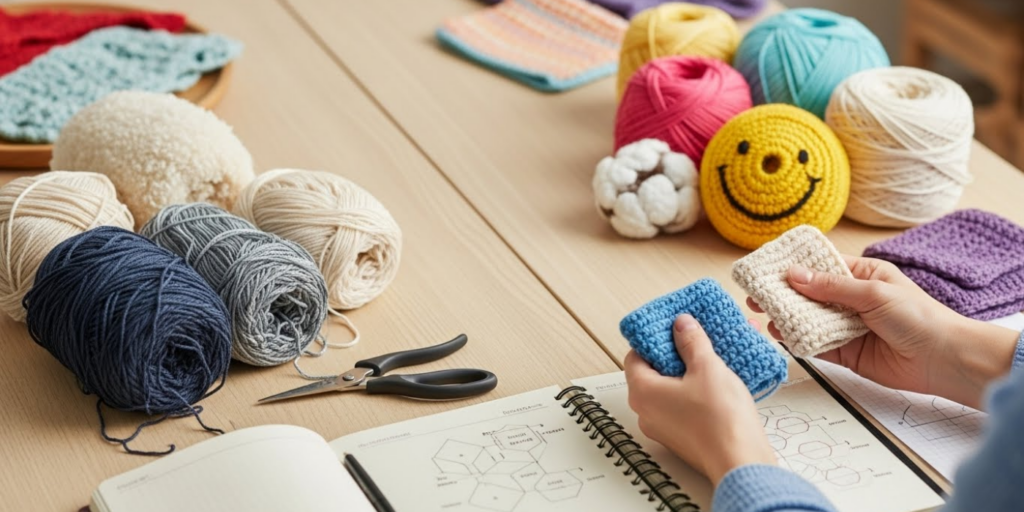
Here’s a golden rule: Splurge when the fiber enhances both the experience and the outcome.
Ask yourself:
- Will this item be worn or used often? A cozy cowl you’ll wear all winter? Worth it. A decorative pillow no one touches? Maybe not.
- Is it a gift for someone special? A cashmere baby blanket for your newborn niece? Absolutely.
- Does the design rely on drape, sheen, or softness? A silky lace shawl loses its magic in acrylic—but shines in silk or bamboo.
- Is this a “forever” piece? Heirloom-quality garments justify investment-grade yarns.
Conversely, save your splurges for projects where luxury matters most. Don’t use $60 cashmere to make dishcloths (no matter how soft they’d be!). And avoid luxury fibers for:
- Items that require frequent washing (unless they’re superwash-treated)
- Projects with heavy wear and tear (like slippers or rugs)
- Learning a new, complex stitch pattern (you’ll want to frog without heartbreak)
Smart strategy: Use luxury yarns for visible, high-impact elements. Example: Crochet a simple scarf in merino, or add silk-blend cuffs to an otherwise affordable sweater. This gives you the feel and look of luxury without breaking the bank.
Caring for Premium Fibers: Protect Your Investment
Nothing ruins the joy of a luxury project faster than a shrunken, pilled, or misshapen finished piece. Care is non-negotiable with premium fibers.
Here’s how to keep your splurge looking stunning:
- Hand-wash only (unless labeled “superwash”): Use cool water and a gentle wool wash like Soak or Eucalan. Never wring—press water out gently.
- Dry flat: Reshape while damp and lay on a clean towel away from direct sun or heat.
- Store properly: Fold, don’t hang, to prevent stretching. Use cedar or lavender sachets to deter moths—never plastic bags.
- Avoid friction: Pilling happens faster with soft fibers like cashmere or alpaca. Rotate wear and store separately.
Pro Tip: Always swatch—and wash your swatch the same way you’ll care for the final item. This tells you how the yarn will behave in real life.
Many luxury yarns actually improve with age. Merino softens. Silk gains a deeper sheen. Alpaca develops a beautiful halo. But only if treated with respect.
Think of caring for luxury yarn like caring for fine silk clothing: it’s not high-maintenance—it’s mindful maintenance. And that ritual can become part of the joy.
Project Ideas That Justify the Splurge
Not every design deserves luxury yarn—but some are made for it. Here are five project types where premium fibers truly shine:
- Lace or Mesh Shawls
Silk or silk-blend yarns catch the light beautifully and drape like liquid. A delicate lace pattern becomes wearable art. - Close-to-Skin Accessories
Cowls, gloves, and lightweight scarves benefit immensely from ultra-soft fibers like cashmere or baby alpaca. No one wants itchy wool around their neck! - Special Occasion Garments
A wedding shawl, christening blanket, or anniversary gift gains emotional weight when made with exquisite materials. - Heirloom Baby Items
A hand-crocheted blanket in organic merino or cotton-bamboo blend is both gentle on delicate skin and meaningful for generations. - Minimalist Statement Pieces
A simple rectangle wrap in a rich, hand-dyed merino lets the yarn itself be the star—no complex stitches needed.
Bonus idea: Use leftover luxury yarn for small, meaningful items—ear warmers, hair scrunchies, or a tiny keepsake heart. Nothing goes to waste.
Remember: with luxury yarn, simplicity often highlights the fiber best. Let the material speak for itself.
Sustainable and Ethical Considerations
Luxury doesn’t have to mean excess. In fact, many premium yarns are more sustainable than fast-fashion alternatives—if sourced responsibly.
Look for brands that:
- Certify animal welfare (e.g., Responsible Wool Standard, ZQ Merino)
- Use natural, plant-based, or low-impact dyes
- Source fibers locally or transparently
- Offer traceability (some even share farm names!)
Alpaca from Peru, merino from Patagonia, or peace silk from India can support rural economies and traditional craftsmanship when ethically traded.
Moreover, investing in a $50 skein that lasts 10 years is more eco-friendly than buying five $10 acrylic skeins that pill and wear out in one season. Luxury yarns encourage slow making—a direct antidote to disposable culture.
That said, always research. Not all “luxury” labels are ethical. Ask questions, read brand stories, and support companies that align with your values.
Final Thoughts: Luxury as Intention, Not Excess
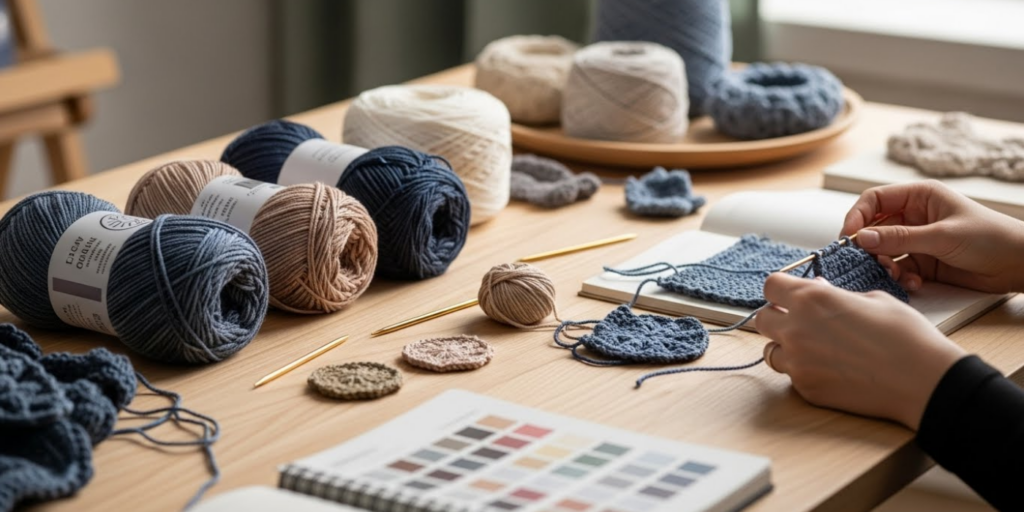
Splurging on luxury yarn isn’t about status—it’s about intentionality. It’s choosing to honor your time, your craft, and the people you make for with materials that reflect care and quality.
You don’t need to fill your stash with premium fibers to be a “real” crocheter. But when the moment calls for softness, drape, luster, or warmth that only the finest fibers can provide—that’s when a thoughtful splurge becomes an act of love.
So go ahead—treat yourself to that skein of hand-dyed merino. Make something that feels as good as it looks. And stitch with the confidence that you’ve chosen not just yarn, but meaning.
Conclusion
Luxury yarns offer more than just softness or shine—they bring depth, intention, and lasting value to your handmade creations. By understanding what makes a fiber truly premium, choosing the right projects, and caring for your finished pieces properly, you can splurge wisely and create heirlooms that stand the test of time.
Remember: the goal isn’t to own the most expensive yarn, but to use the right yarn in the right way. Whether you’re crafting a gift for someone you love or a quiet comfort for yourself, luxury fibers can turn simple stitches into something unforgettable.
So next time you’re tempted by that gorgeous skein, ask: Will this enhance the experience and the outcome? If yes—go for it. Your hands (and heart) will thank you.
We’d love to hear from you! Have you ever made something special with a luxury yarn? What’s your dream fiber to try? Share your stories or questions in the comments below—your experience might inspire someone else to make their first mindful splurge!

Gabriela Ferreira is a passionate crochet and knitting enthusiast who finds inspiration in every skein of yarn she touches. With a love for color, texture, and handmade detail, she brings creativity and warmth to each project she creates. Gabriela believes that every stitch tells a story, and she enjoys sharing her craft with others who appreciate the beauty of fiber arts.