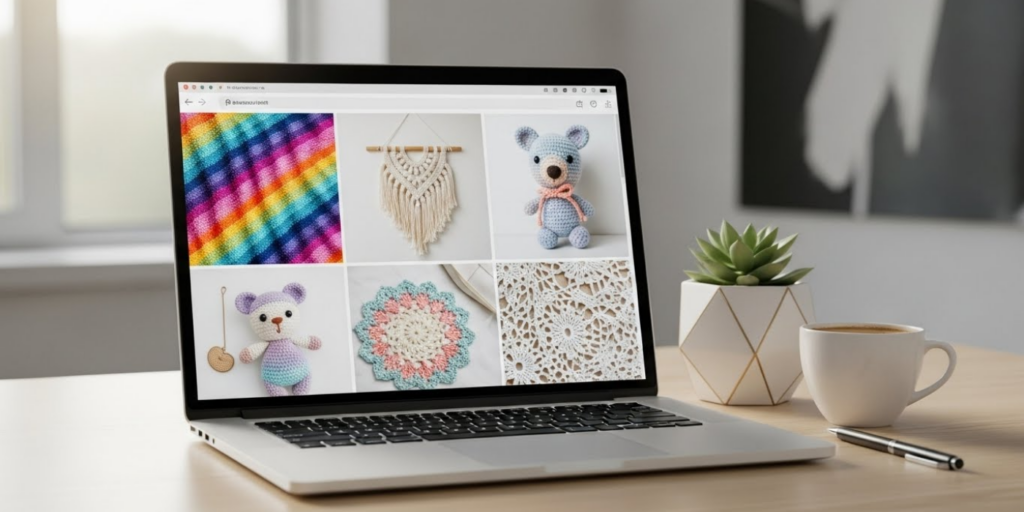
Imagine this: someone types “boho crochet bag” into Pinterest at 2 a.m., pins your handmade listing, and two days later—click—they land on your Etsy shop and buy. No ads. No cold outreach. Just organic discovery.
Sound too good to be true? It’s not. Pinterest isn’t just a mood board—it’s a visual search engine, and it’s quietly becoming one of the most powerful free tools for handmade sellers. In fact, 85% of Pinners say Pinterest is where they go to plan purchases, not just scroll mindlessly.
If you sell crochet patterns, finished goods, kits, or yarn bundles, ignoring Pinterest means leaving traffic—and sales—on the table. But the good news? You don’t need a huge following or a photography degree to succeed. With the right strategy, even a brand-new shop can start attracting ideal customers through smart, consistent pinning.
In this guide, you’ll learn exactly how to turn Pinterest into a steady stream of visitors to your crochet shop. We’ll cover optimizing your profile, creating scroll-stopping pins, using keywords the right way, and building a simple weekly system that takes less than 2 hours a week. Whether you’re on Etsy, Shopify, or your own website—this is your roadmap to Pinterest-powered growth.
Why Pinterest Is a Secret Goldmine for Crochet Sellers
First, let’s clear up a common myth: Pinterest is not social media—it’s a search engine.
Unlike Instagram or TikTok, where content disappears in 24–48 hours, a single pin can drive traffic for months or even years. That’s because people use Pinterest to plan—for weddings, baby showers, holiday gifts, spring wardrobes, or DIY home projects. And guess what? Crochet fits perfectly into all of those categories.
Consider this:
- “Crochet dress pattern” gets 22,000+ monthly searches on Pinterest.
- “Easy amigurumi patterns” has grown 140% in search volume over the past year.
- Shoppers who come from Pinterest have a higher average order value than those from other social platforms (according to Shopify data).
Real example: Sarah, a one-woman crochet pattern shop, went from 10 to 300+ weekly visitors in 8 weeks—just by posting 3 optimized pins per week. Her best-performing pin? A flat-lay photo of a finished baby blanket with the text: “Free Crochet Baby Blanket Pattern – Beginner Friendly.”
The takeaway? Your ideal customers are already searching for what you make. Pinterest just helps them find you.
Step 1: Optimize Your Pinterest Profile for Business (It’s Free!)
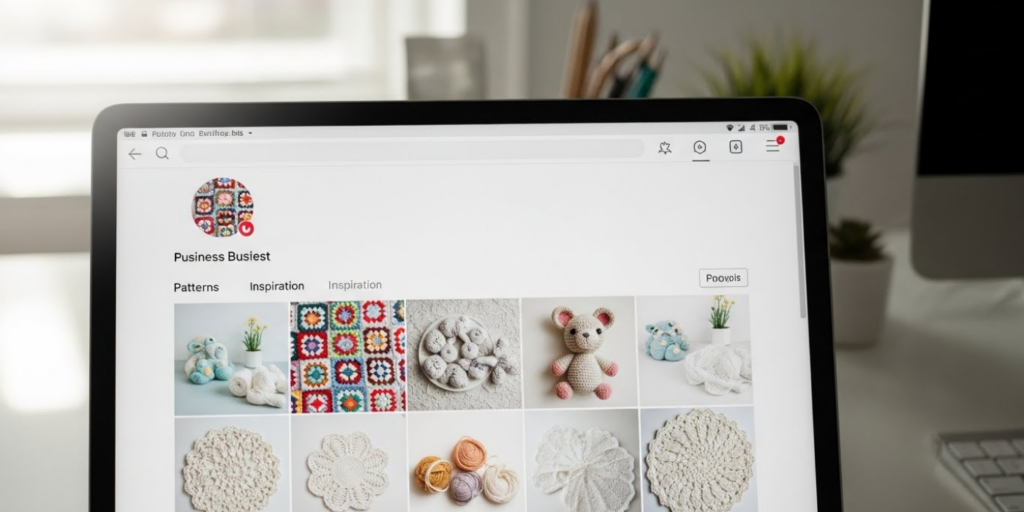
Before you pin a single image, make sure your foundation is solid. Here’s how to set up your profile so Pinterest trusts you as a business (and shows your pins to more people):
✅ Switch to a Business Account
It’s free and gives you access to Pinterest Analytics and Rich Pins (which auto-pull product info from your website). Go to business.pinterest.com to convert.
✅ Claim Your Website
This verifies you as the owner and unlocks traffic data. In settings, click “Claim” and follow the instructions (usually adding a meta tag to your site or uploading an HTML file).
✅ Use Keywords in Your Bio
Don’t just say “I love crochet!” Be specific:
“Handmade crochet baby blankets & beginner-friendly PDF patterns | Shop now ➔ [yourshop.com]”
Include keywords like “crochet patterns,” “handmade crochet,” “easy crochet,” or “amigurumi”—whatever your niche is.
✅ Create Relevant Boards
Instead of generic boards like “My Favorites,” create keyword-rich boards that reflect what you sell:
- “Easy Crochet Hat Patterns (Free & Paid)”
- “Handmade Crochet Market Bags – Boho Style”
- “Crochet for Beginners: Step-by-Step Tutorials”
Pro tip: Add a board description with 1–2 sentences using keywords. Pinterest reads these!
Remember: Every element of your profile should tell Pinterest—and users—exactly what you offer.
Step 2: Design Pins That Stop the Scroll (No Design Skills Needed)
On Pinterest, your pin is your ad. And since users scroll fast, you’ve got less than a second to grab attention.
Here’s what works for crochet shops:
📸 Use High-Quality, Vertical Images
Ideal pin size: 1000 x 1500 pixels (2:3 ratio). Vertical pins take up more screen space in feeds.
Show your product in context:
- A finished blanket draped over a chair
- A pattern PDF mockup with a real photo of the project
- A before/after: “Yarn on hook” → “Finished beanie”
✍️ Add Clear, Bold Text Overlay
Most users browse with sound off—and many skim without clicking. So tell them what it is right on the image:
“FREE Crochet Coaster Pattern”
“Chunky Crochet Blanket – Ready to Ship!”
“Learn the Magic Ring – Video Tutorial”
Use free tools like Canva (search “Pinterest pin templates”)—they have drag-and-drop designs made for non-designers.
🎨 Stick to a Consistent Color Palette
Your pins should look like they belong to the same brand. Choose 2–3 colors (e.g., cream, sage, and terracotta) and use them across all pins.
Bonus: Add your shop logo or URL in a small corner—but don’t let it distract from the main message.
Real result: One Etsy seller increased click-throughs by 60% just by adding “FREE PATTERN” in bold white text over a soft background.
Step 3: Master Pinterest SEO (Yes, It’s a Thing!)
Unlike Instagram hashtags, Pinterest uses real search terms—just like Google. So your pin titles, descriptions, and board names should match what people actually type.
🔍 Find the Right Keywords
Use Pinterest’s search bar autocomplete:
- Type “crochet…” and see what drops down (“crochet bag,” “crochet for beginners,” etc.)
- Click into a result and scroll to “More like this” for related terms
Or use free tools like Pinterest Trends or Ubersuggest to compare keyword popularity.
✨ Write Keyword-Rich Pin Descriptions
Your description should be 1–2 sentences that include:
- Primary keyword near the front
- A clear call-to-action
- A benefit or solution
Example:
“Easy crochet market bag pattern for beginners! This free PDF includes step-by-step photos and a video tutorial. Perfect for farmers’ markets, groceries, or summer days. Download now and start stitching!”
Avoid: Stuffing 10 keywords. Write for humans first—Pinterest rewards clarity.
📌 Always Link to a Specific Page
Never link your pin to your homepage. Send users directly to:
- The product listing
- The blog post with the free pattern
- The YouTube tutorial
Pinterest favors pins that lead to helpful, specific content.
Step 4: Build a Simple, Sustainable Pinning Routine

Consistency beats intensity. You don’t need to pin 50 times a day. 3–5 high-quality pins per week is enough to start seeing results—especially if you focus on evergreen content (like “beginner crochet” or “baby blanket patterns”).
🗓️ Your Weekly Pinterest Plan (30 Minutes/Week):
- Monday: Create 1 new pin for a best-selling product or popular blog post
- Wednesday: Repin 2 of your older pins to relevant group boards (more on this below)
- Friday: Check Pinterest Analytics—see which pins got saves or clicks, and make more like them
👥 Join (or Start) Group Boards
Group boards let you pin to a board with thousands of followers—massively increasing your reach. Search for:
“Crochet Patterns Group Board” or “Handmade Sellers Pinterest Group”
Look for boards with:
- Clear rules
- Active admins
- At least 5,000+ followers
Pro tip: Don’t spam! Only pin your best content, and follow the board’s guidelines.
Note: Pinterest now prioritizes Idea Pins (short videos) and organic content over group boards—but they still help, especially for new accounts.
What to Pin: Content That Converts for Crochet Shops
Not all pins are created equal. Focus on these high-performing formats:
1. Free Pattern Teasers
Offer a simple freebie (e.g., “5-Minute Crochet Scrunchie”) and link to your email list or blog. Free content builds trust and grows your audience.
2. Finished Project Photos
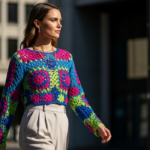
People buy the dream, not the PDF. Show your pattern made up beautifully—with good lighting and styling.
3. Tutorial Snippets
“3 Common Crochet Mistakes (and How to Fix Them)” or “How to Read a Crochet Chart” – these establish you as an expert.
4. Seasonal & Trending Ideas
Pin “Crochet Christmas Ornament Patterns” in September, not December. Pinterest is a planning platform—get ahead of the curve.
5. Behind-the-Scenes
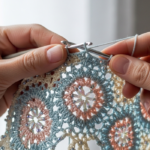
A photo of your yarn stash, your cozy workspace, or your hands stitching—this builds connection.
Key insight: The best pins solve a problem or spark inspiration. Ask: “Would someone save this for later?” If yes, it’s pin-worthy.
Track, Tweak, and Grow: Using Pinterest Analytics
Don’t fly blind! Pinterest Analytics (free in your business account) shows:
- Which pins get the most impressions (views)
- Which get the most saves (indicating high interest)
- Which drive the most clicks to your site
Focus on click-through rate (CTR)—the percentage of people who click after seeing your pin. A 1–2% CTR is solid for beginners; 5%+ is excellent.
If a pin has lots of saves but few clicks, your image is great—but your link or description might be weak.
If it has impressions but no engagement, your keyword targeting may be off.
Tweak one thing at a time: Try a new headline, a different photo angle, or a clearer call-to-action. Small changes often lead to big gains.
Final Thoughts: Pinterest Is a Long Game (But Worth It)
Unlike paid ads that stop working the moment you pause, Pinterest builds momentum over time. A pin you create today could bring in a customer six months from now—while you sleep.
That’s the magic of evergreen content in a visual search engine. And for handmade sellers—especially in niches like crochet, where projects are timeless and seasonal—Pinterest is the closest thing to passive traffic you’ll find.
So start small. Optimize your profile. Make one great pin this week. Link it to your best-selling product. And keep showing up.
Your future customers are already searching. All you have to do is make it easy for them to find you.
Ready to Turn Pins Into Customers?
You don’t need a massive following. You just need clarity, consistency, and the right message in front of the right eyes.
👉 Your challenge this week: Create one Pinterest-optimized pin for your best-selling crochet item or most popular free pattern. Use a keyword-rich description, a vertical image, and link directly to the product.
Then come back and tell us: What’s the #1 thing holding you back from using Pinterest for your shop? Is it time? Design skills? Not knowing what to pin?
Drop your question or win in the comments below—we’re all learning together!
And if you found this guide helpful, share it with a fellow maker who’s ready to grow their handmade business.
Happy pinning—and happy selling! 🧶📌
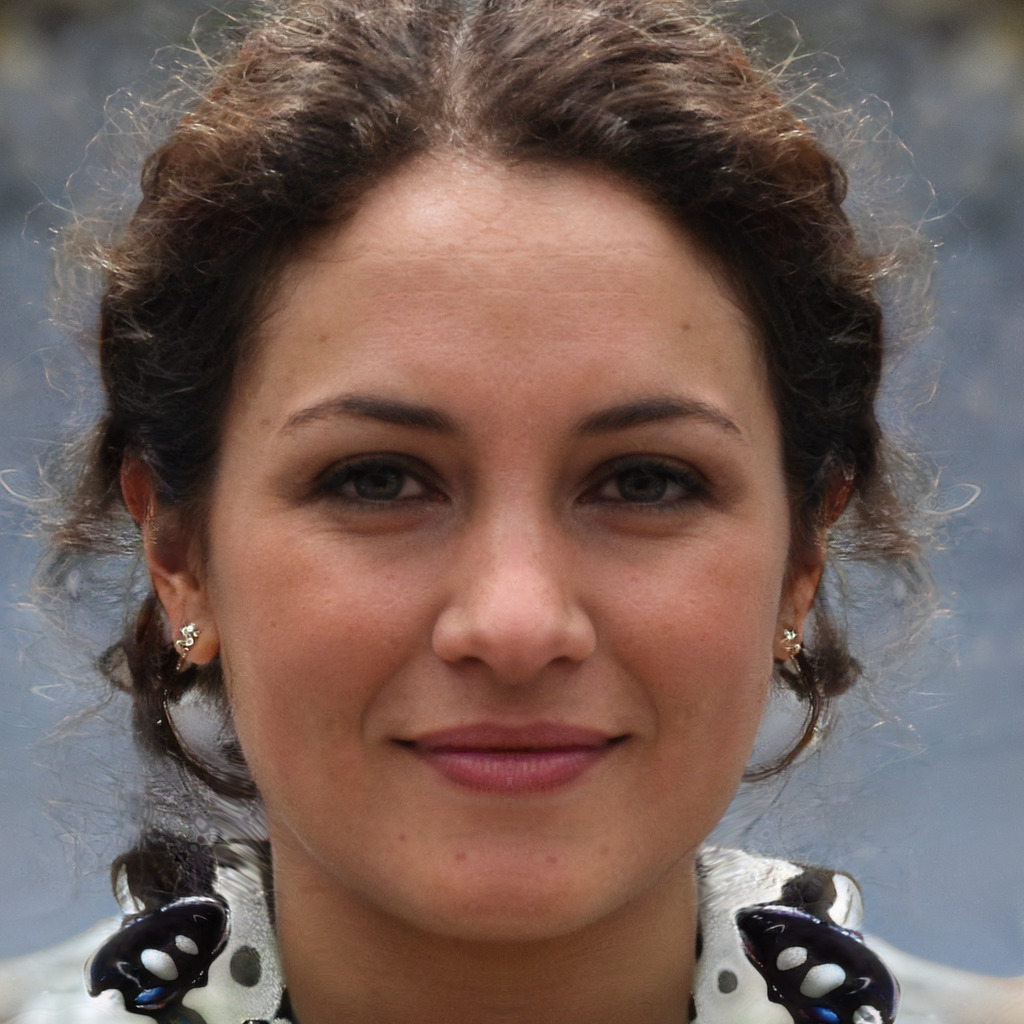
Gabriela Ferreira is a passionate crochet and knitting enthusiast who finds inspiration in every skein of yarn she touches. With a love for color, texture, and handmade detail, she brings creativity and warmth to each project she creates. Gabriela believes that every stitch tells a story, and she enjoys sharing her craft with others who appreciate the beauty of fiber arts.