Introduction
Let’s be honest: yarn addiction is real—and so is the sticker shock that comes with it. One skein might seem affordable, but when your dream blanket calls for 12 of them? Suddenly, your hobby feels like a luxury.
The good news? You don’t need to break the bank to create beautiful, high-quality crochet or knit projects. With smart shopping strategies, a little patience, and knowing where to look, you can build a rich, versatile yarn stash without draining your wallet.
In this guide, we’ll walk you through practical, tried-and-true ways to find the best yarn deals—whether you’re shopping online, in-store, or even repurposing what you already own. You’ll learn how to decode sales cycles, spot hidden gems in unlikely places, choose affordable-yet-reliable yarns, and avoid common budget traps. Plus, we’ll share real-life examples that prove gorgeous handmade items don’t require premium price tags.
Whether you’re a student on a tight budget, a parent balancing craft time with expenses, or simply a mindful maker, these tips will help you stretch every dollar—so you can keep hooking, stitching, and creating without guilt.
Ready to shop smarter? Let’s unravel the secrets of budget-friendly yarn shopping.
Understand Yarn Pricing: Not All Skeins Are Created Equal
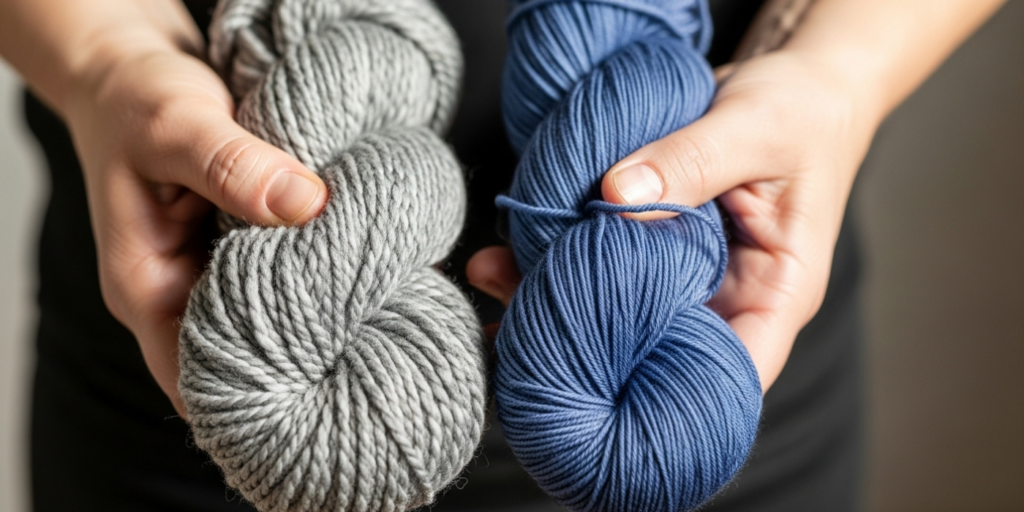
Before hunting for deals, it helps to understand why yarn costs what it does—so you know when you’re truly getting value, not just a low price.
Yarn price is influenced by:
- Fiber content: Wool, silk, and alpaca are more expensive than acrylic or cotton because they come from animals or require more processing.
- Brand reputation: Big-name brands (like Lion Brand or Cascade) often cost more due to quality control, but store brands (like Red Heart or Caron) offer excellent basics at lower prices.
- Weight and yardage: A $5 skein with 100 yards is actually more expensive per yard than a $7 skein with 250 yards. Always check price per yard—not just the sticker price.
- Dyeing process: Hand-dyed or variegated yarns cost more due to labor-intensive techniques.
Here’s a quick comparison:
- Budget acrylic (e.g., Red Heart Super Saver): ~$2.99/skein, 364 yards
- Mid-range cotton (e.g., Lily Sugar ’n Cream): ~$2.50/skein, 95 yards
- Premium wool (e.g., Malabrigo Worsted): ~$26/skein, 210 yards
For practice projects, dishcloths, or charity blankets, affordable acrylic or cotton blends are perfectly suitable. Save splurge fibers for heirloom pieces or items worn close to the skin.
Pro tip: Keep a simple spreadsheet or note in your phone listing your go-to yarns with their price per yard. It’ll help you instantly spot real bargains.
Top Places to Find Discounted & Affordable Yarn
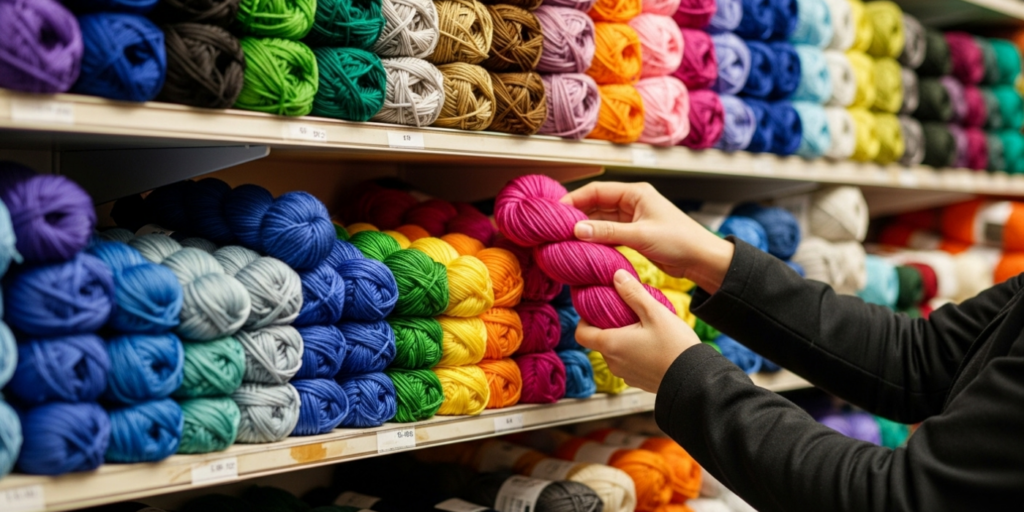
You don’t need to wait for a miracle clearance—great deals are everywhere if you know where to look. Here are the most reliable sources for budget-friendly yarn:
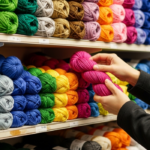
- Big-box craft stores (with coupons)
Stores like Michaels, Joann, and Hobby Lobby rotate 40–50% off coupons weekly. Sign up for their emails or apps to get digital coupons instantly.
Bonus: Joann’s “Rewards” program gives members exclusive sale prices and birthday discounts. - Thrift stores and garage sales
People often donate unfinished projects—complete with unused skeins. Look for hidden yarn stashes in baskets or totes.
Tip: Bring a needle or hook to test fiber content by burn or feel if labels are missing. - Online marketplaces
- Etsy: Search for “overstock yarn” or “destash” (makers clearing extra skeins).
- Facebook Groups: Join groups like “Yarn Destash & Swap” or “Local Yarn Exchange.”
- eBay: Great for discontinued lines or bulk lots at steep discounts.
- Retailer sales and seasonal clearances
Stores clear out summer cottons in fall and winter wools in spring. January and July are peak clearance months. Also, watch for Black Friday, Prime Day, and National Crochet Month (March) deals. - Dollar stores and discount retailers
Some Dollar Tree or Walmart locations carry basic acrylic yarn for $1–$2 per skein—perfect for amigurumi or practice swatches.
Remember: Buying in bulk (even just 3–5 skeins) often unlocks free shipping or bundle discounts online. Plan ahead for your next big project!
Smart Swatching & Yarn Substitution: Avoid Costly Mistakes
One of the biggest budget drains? Buying the wrong yarn—then having to buy it again. That’s where swatching and substitution save both money and frustration.
Always check your pattern’s:
- Yarn weight (e.g., worsted, DK, lace)
- Gauge (stitches per inch)
- Fiber recommendations (e.g., “cotton for drape,” “wool for elasticity”)
Then, find an affordable substitute that matches those specs. Use free tools like:
- YarnSub.com: Compares yarns by weight, fiber, and yardage.
- Ravelry’s yarn database: Filter by price, brand, and user reviews.
Example: If a pattern calls for expensive Berroco Ultra Wool ($14/skein), substitute with Lion Brand Wool-Ease Thick & Quick ($8/skein) if gauge matches. You’ll save over 40% on a 6-skein project!
Swatch like a pro:
- Wash and block your swatch to see how the yarn behaves.
- Measure gauge after washing—some yarns shrink or stretch.
- If it doesn’t match, try a different hook size before giving up on the yarn.
This extra step prevents wasted yarn, time, and money. Think of it as insurance for your project.
Build a Strategic Stash Without Overspending
A well-planned stash is your secret weapon for staying on budget. Instead of buying yarn on impulse, adopt a “purpose-first” approach:
- Buy for specific projects: Keep a list of your next 2–3 patterns and only purchase yarn for those.
- Stock up on neutrals: Black, cream, gray, and navy are versatile. Buy them on sale for future use.
- Rotate your stash: Use older yarns first to prevent them from sitting unused for years.
- Avoid “just in case” buys: Unless it’s a once-in-a-lifetime deal, skip yarn with no clear purpose.
Create a mini “stash inventory” using a free app like StashBook or even a photo album on your phone. Snap pictures of labels and note yardage. That way, you’ll never buy doubles by accident.
Also, embrace scrap projects. Leftover yarn? Make coasters, scrunchies, or hexipuffs. There’s a whole world of “stashbuster” patterns designed to use up odds and ends—turning waste into wonder.
Ethical & Sustainable Savings: Quality Over Quantity
Saving money shouldn’t mean supporting exploitative practices. Fortunately, budget-friendly can also be ethical:
- Choose brands with sustainability commitments:
- Lion Brand: Offers recycled cotton and eco-friendly lines.
- We Are Knitters: Uses organic cotton and plants a tree per order.
- Stylecraft: UK-based with strong environmental policies.
- Buy secondhand: Thrifted or destashed yarn gives materials a second life—reducing waste and demand for new production.
- Support indie dyers on sale: Many small businesses offer “seconds” (slightly imperfect skeins) at deep discounts. Follow them on Instagram for flash sales.
Remember: A $3 acrylic skein that pills after one wash isn’t a “deal”—it’s a hidden cost. Investing a little more in durable, washable, and well-made budget yarns often pays off long-term.
Final Thoughts: Crafting Should Be Joyful, Not Stressful
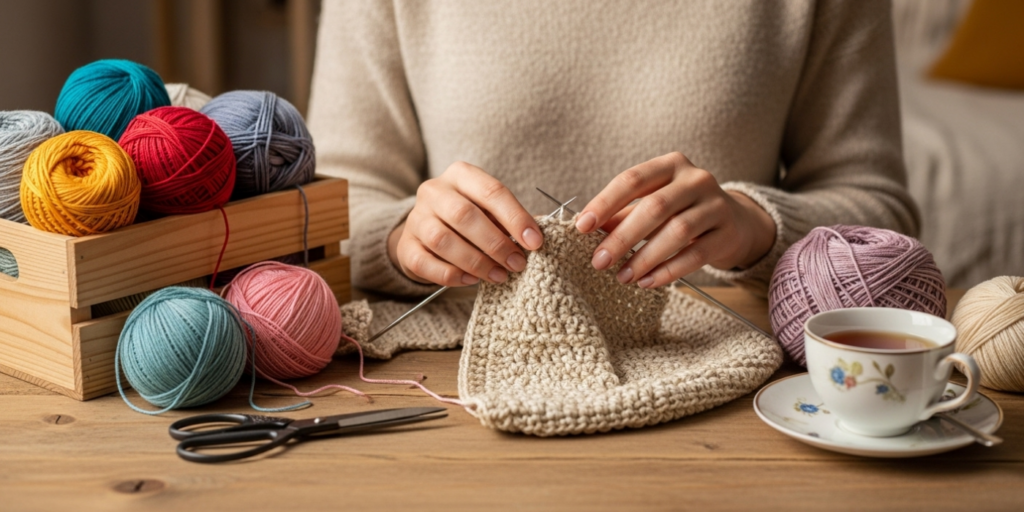
Yarn shopping on a budget isn’t about deprivation—it’s about intentionality. Every dollar you save is a dollar you can reinvest in more making, better tools, or even sharing your craft with others (think: donating baby blankets or teaching a friend).
The most beautiful projects aren’t made with the most expensive yarn—they’re made with creativity, care, and the joy of making. And that’s free.
So next time you’re tempted to sigh at yarn prices, remember: the best deal isn’t always the cheapest tag. It’s the yarn that fits your project, your values, and your budget—all while bringing you delight from first stitch to last.
Conclusion
Finding budget-friendly yarn isn’t luck—it’s strategy. By understanding yarn pricing, shopping at the right places, mastering substitution, building a purposeful stash, and choosing ethical options, you can keep your craft thriving without financial stress.
We’ve covered how to compare true value, where to hunt for hidden deals, why swatching prevents costly errors, and how to stash smartly. Most importantly, we’ve shown that affordable doesn’t mean low-quality—it means thoughtful.
Now, take these tips and weave them into your next shopping trip. Whether you snag a clearance bin treasure or swap skeins with a fellow maker, every smart choice brings you closer to your next beautiful project.
We’d love to hear from you! What’s your favorite budget yarn? Have you scored an amazing deal recently? Share your tips, favorite stores, or stash photos in the comments below—and don’t forget to pass this guide to a crafty friend who’s ready to save while they stitch!

Gabriela Ferreira is a passionate crochet and knitting enthusiast who finds inspiration in every skein of yarn she touches. With a love for color, texture, and handmade detail, she brings creativity and warmth to each project she creates. Gabriela believes that every stitch tells a story, and she enjoys sharing her craft with others who appreciate the beauty of fiber arts.