Introduction
Imagine this: a popular crochet influencer with 50,000 engaged followers posts a photo of your hand-dyed yarn wrapped around a cozy, lace-weight shawl—captioned “Obsessed with this indie brand! The colors are dreamy, and the stitch definition is chef’s kiss.” Within hours, your website traffic spikes. Your latest colorway sells out. New customers sign up for your newsletter.
This isn’t just wishful thinking—it’s the real power of strategic influencer collaboration in today’s handmade market. In a world where consumers trust peer recommendations far more than traditional ads, partnering with the right voices can transform your small crochet business from “just another Etsy shop” to a trusted, sought-after brand.
But how do you move beyond cold DMs and awkward sponsorship requests? How do you find influencers who genuinely love your products—and whose audience actually matches your ideal customer?
In this article, we’ll walk you through a practical, step-by-step approach to collaborating with crochet and yarn influencers—whether you’re selling patterns, yarn, kits, or finished goods. You’ll learn how to identify authentic partners, craft win-win proposals, structure meaningful campaigns, and measure real results. No huge budget required—just intention, respect, and smart strategy.
Let’s turn your passion into visibility, one genuine partnership at a time.
Why Influencer Marketing Works (Especially in the Crochet Niche)
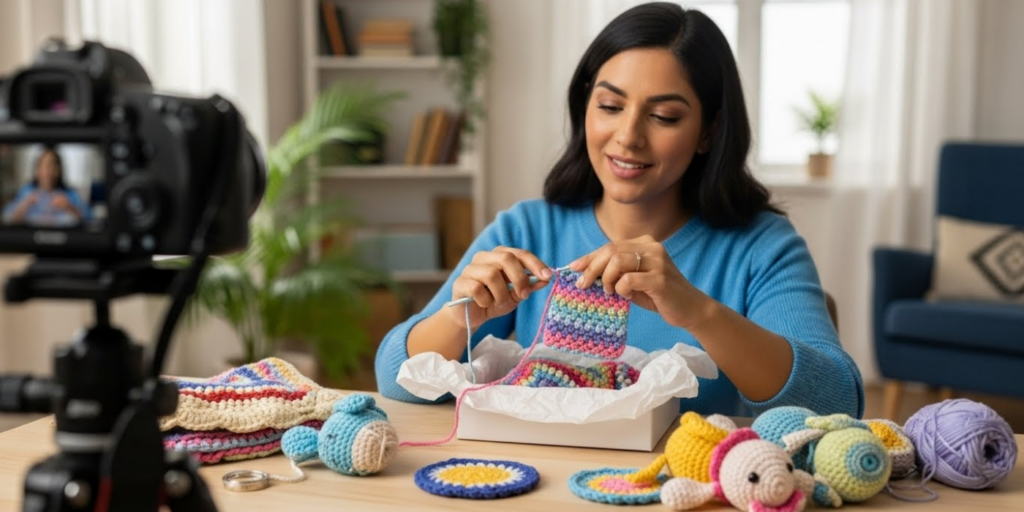
Influencer marketing isn’t just for fashion giants or tech startups. In fact, handmade and craft communities thrive on it—because trust is everything.
Unlike generic ads, influencers build long-term relationships with their audiences. Their followers see them swatching yarn, frogging failed projects, and sharing honest opinions about hooks and fibers. When they recommend a product, it feels like advice from a knowledgeable friend—not a sales pitch.
And the data backs this up. According to a 2024 HubSpot report, 49% of consumers rely on influencer recommendations when making purchase decisions. In niche communities like crochet, that number climbs even higher—because audiences are highly engaged and actively seeking trusted sources.
Moreover, the crochet world is visual by nature. A stunning photo of a gradient yarn cake or a well-lit video of a new stitch pattern can convey your brand’s quality and aesthetic far more effectively than product descriptions alone.
Real example: When indie dyer “Wool & Whimsy” sent a small batch of seasonal yarn to three micro-influencers (5K–15K followers), two created full project tutorials using her colorway. The result? A 300% increase in sales that month—and two of those customers are now repeat buyers.
The key? Authenticity over reach. A micro-influencer with a highly engaged crochet audience often delivers better ROI than a macro-influencer with a broad but disinterested following.
Finding the Right Influencers: It’s Not About Follower Count
So where do you start? Forget chasing accounts with 100K+ followers. Instead, focus on relevance, engagement, and values alignment.
Ask yourself:
- Does this influencer actually crochet (not just post flat lays)?
- Do their followers comment, ask questions, and share projects?
- Does their aesthetic match your brand vibe—minimalist, cozy, boho, modern?
- Have they worked with similar small businesses before?
Where to look:
- Instagram and TikTok: Search hashtags like #crochetcommunity, #handmadebusiness, #indieyarn, or #crochetpattern.
- Ravelry forums: Many respected designers and testers share their work there.
- YouTube: Crochet tutorial creators often have loyal, project-minded audiences.
- Podcasts or blogs: Some influencers specialize in written or audio content.
Pro tip: Check their engagement rate. A simple formula: (Likes + Comments) ÷ Followers × 100. Anything above 3% is strong for craft niches. If a post with 10K followers gets only 50 likes, that’s a red flag.
Also, look at their recent collaborations. Did they post a genuine review—or just a blurry photo with a generic “Thanks @brand!” caption? You want creators who integrate your product into their creative process, not just check a sponsorship box.
Crafting a Win-Win Collaboration Proposal
Once you’ve identified potential partners, the next step is reaching out—the right way.
Avoid generic messages like “Want to promote my brand?” Instead, personalize your pitch and focus on mutual value.
Here’s a proven structure:
- Start with genuine appreciation: “I’ve followed your work for months—your recent Tunisian blanket tutorial inspired my latest design!”
- Explain why you’re reaching out: “I love how you showcase indie yarns with such care, and I think your audience would love our new organic cotton line.”
- Offer clear, flexible options:
- Free product in exchange for an honest post or story
- Paid partnership for a pattern test or tutorial
- Affiliate link with commission
- Give creative freedom: “We’d love your authentic take—no scripts or strict captions!”
Example: Instead of demanding “Post 3 reels,” say, “We’d be honored if you’d use our yarn in your next project and share your experience however feels natural.”
Why this works: Influencers are creators first. When you respect their voice and process, they’ll promote your brand with real enthusiasm—not obligation.
And don’t overlook non-monetary value. Many micro-influencers happily collaborate for high-quality product alone, especially if it aligns with their craft values (e.g., eco-friendly, small-batch, inclusive sizing in patterns).
Types of Collaborations That Drive Real Results
Not all influencer content is created equal. The most effective campaigns invite action while feeling organic. Here are four high-impact formats:
1. Pattern Testing & Launches
Send your new crochet pattern to 5–10 trusted makers before launch. Ask them to create the project and share their process. This builds social proof and generates buzz with real photos—not just mockups.
2. Yarn Unboxings & Swatches
Influencers film themselves opening your yarn, feeling the texture, and swatching a few stitches. This showcases color accuracy, softness, and stitch definition—key purchase drivers.
3. Full Project Tutorials
Partner with a skilled crocheter to create a free mini-pattern using your yarn or tools. Their audience learns a new skill while discovering your brand—win-win.
4. “Day in the Life” or Studio Features
An influencer features your notions or project bag in their creative space. It’s subtle but powerful—your product becomes part of their trusted toolkit.
Bonus: Encourage them to use a unique discount code (e.g., “CROCHETWITHJULIA10”). This lets you track sales directly and reward both the influencer and their followers.
Remember: video content (Reels, TikToks, YouTube Shorts) performs best—it shows texture, movement, and real-time crafting, which still images can’t capture.
Avoiding Common Pitfalls (and Building Long-Term Relationships)
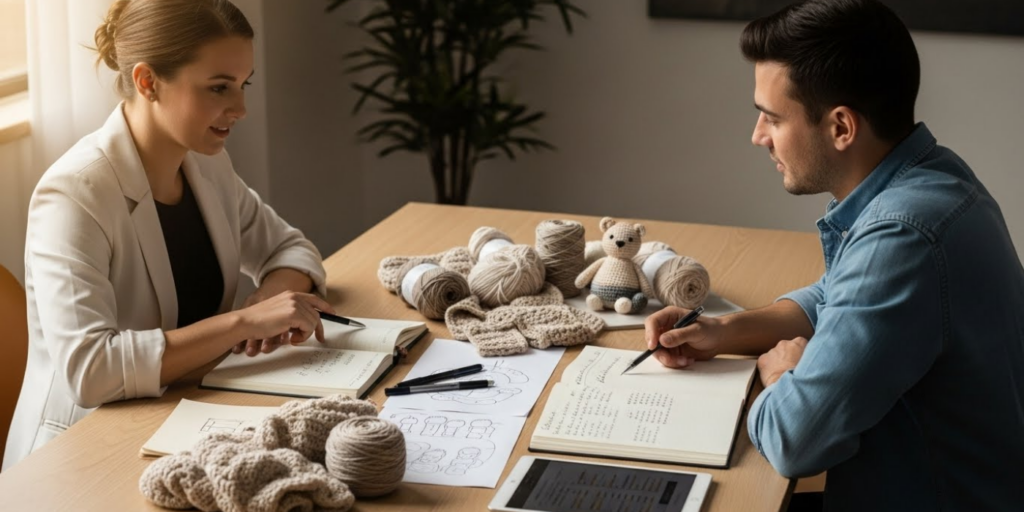
Even well-intentioned collaborations can go sideways—usually due to misaligned expectations.
Common mistakes to avoid:
- Not disclosing partnerships: In the U.S., the FTC requires influencers to label paid or gifted posts with #ad or #sponsored. Protect both of you by reminding them.
- Over-controlling content: Trust their expertise. If they suggest a different stitch or color, listen—they know their audience best.
- One-and-done outreach: Treat influencers as long-term partners, not transactional vendors. Send holiday notes, ask for feedback, or invite them to exclusive previews.
Build loyalty by:
- Featuring their work on your own page (with credit)
- Offering early access to new collections
- Sending handwritten thank-you notes with product
One yarn brand, “Stitch & Co.,” now has a private “Maker Circle” of 20 micro-influencers who get first dibs on new lines. In return, they provide honest feedback and consistent organic promotion. The result? 40% of annual sales come from influencer-driven traffic.
Relationships > transactions. Always.
Measuring Success: Beyond Likes and Follows
How do you know if a collaboration actually worked?
Look beyond vanity metrics. Track meaningful indicators like:
- Website traffic spikes (use Google Analytics)
- Use of your discount code
- Increase in email sign-ups during the campaign
- New followers who engage (not just passive scrollers)
- User-generated content (followers posting their own makes)
Example: After an influencer posted a bag made with your project pouch, 12 customers tagged you in their versions. That’s organic social proof—more powerful than any ad.
Also, ask the influencer for feedback. Did their audience ask questions? Request links? That qualitative insight is gold.
And remember: brand awareness has long-term value. Even if someone doesn’t buy immediately, they now know your name—and may return when they’re ready.
Final Thoughts: Authenticity Is Your Greatest Asset
In a digital world full of noise, genuine connection cuts through. When you collaborate with influencers who truly love your crochet brand—not just your free product—you create ripples of trust that extend far beyond a single post.
You’re not just selling yarn or patterns. You’re inviting people into a community of makers who value quality, creativity, and care. And influencers are your ambassadors in that mission.
So start small. Reach out to one maker whose work you admire. Offer something real. Listen. Collaborate. Watch your brand grow—not through hype, but through heart.
Now we’d love to hear from you: Have you ever collaborated with a crochet influencer? What worked—or what would you do differently? Share your experience in the comments below. Your insight could be the spark another small business needs to take the leap! 🧶
Gabriela Ferreira is a passionate crochet and knitting enthusiast who finds inspiration in every skein of yarn she touches. With a love for color, texture, and handmade detail, she brings creativity and warmth to each project she creates. Gabriela believes that every stitch tells a story, and she enjoys sharing her craft with others who appreciate the beauty of fiber arts.