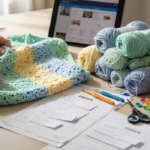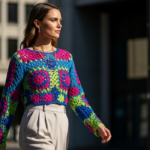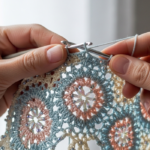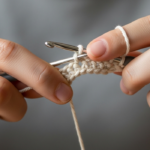
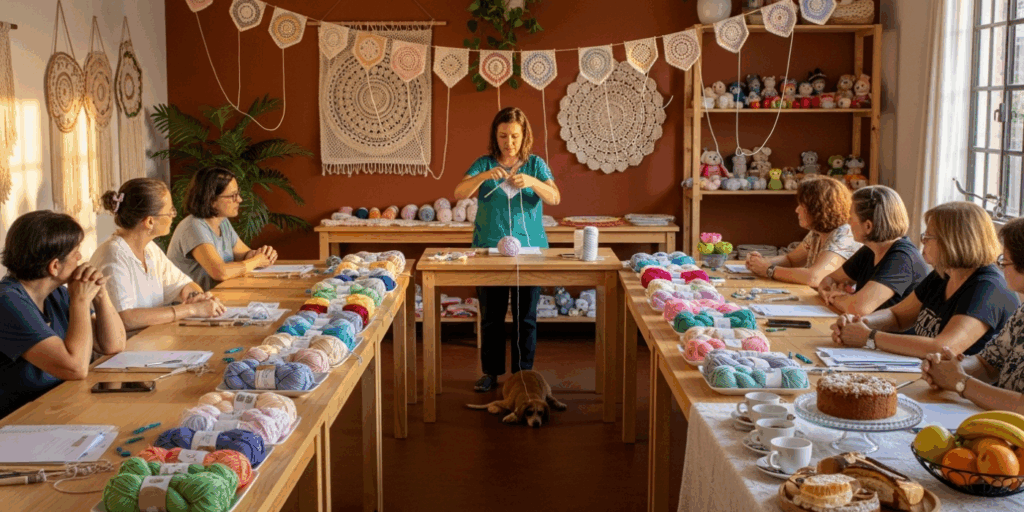
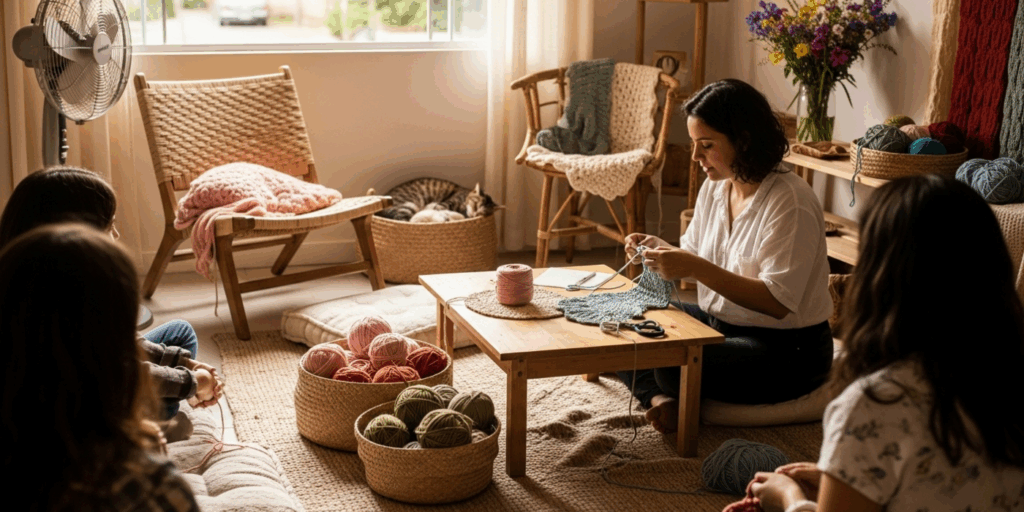
Imagine this: a cozy living room lit by soft golden light. The scent of chamomile tea lingers in the air. A circle of women—and men, too—sit with hooks in hand, yarn spinning between their fingers. Laughter bubbles up as someone accidentally drops a stitch, and the group collectively gasps… then helps them fix it. No one’s perfect. But everyone’s learning. Together.
This isn’t just a craft class. It’s connection. Healing. Community.
Crochet isn’t just about making scarves or blankets—it’s about creating spaces where people feel seen, heard, and capable. And if you’ve ever picked up a hook and felt that spark, you know: this is more than a hobby. It’s a movement.
If you’re reading this, maybe you’ve been asked to teach crochet before. Maybe you’ve hosted a few casual get-togethers at your kitchen table. Or perhaps you’re dreaming of turning your passion into something bigger—a weekly workshop, a local event, even a small business. The good news? You don’t need to be a master to teach. You just need to be willing to show up.
In this guide, we’ll walk through everything you need to know to host crochet workshops that are not only educational but truly unforgettable. We’ll cover how to design beginner-friendly lessons, create a welcoming atmosphere, handle common frustrations, build community, and even turn your passion into sustainable income—all without burning out or sounding like a textbook.
Let’s dive in.
Start with the Why: Why People Really Come to Crochet Workshops
You might think people sign up for crochet classes to learn how to make a granny square. But here’s the truth: they come for the quiet. The rhythm. The feeling of creating something with their own hands in a world that moves too fast.
A 2023 survey by the Craft Yarn Council found that over 70% of crocheters say their hobby helps reduce stress. Nearly 60% reported feeling more connected to others after joining a group. That’s not just “crafting.” That’s therapy—with yarn.
When you teach crochet, you’re not just teaching stitches. You’re offering a refuge.
That’s why your first lesson shouldn’t start with “Chain 1, single crochet…” Instead, begin with a circle. Ask everyone: “What made you come today?”
One woman might say, “My daughter gave me a hook after my divorce. I didn’t know what to do with my hands.”
Another might say, “I’m retired. I miss having a reason to get up in the morning.”
These stories matter. They’re the heartbeat of your workshop.
Your job? Create a space where those stories can be told—and where silence is okay, too. Some people just need to breathe and make loops. That’s valid. That’s valuable.
So when planning your first class, ask yourself: Am I teaching a skill—or building a sanctuary?
The answer will shape everything: your tone, your pace, your patience.
Design Lessons That Feel Like a Hug, Not a Lecture
Let’s be real: nobody wants to sit through a 90-minute PowerPoint on tension control.
Beginners need simplicity. Clarity. Joy.
Start small. Really small.
In your first session, focus on just two things: holding the hook and making a chain stitch. That’s it. No slipknots. No counting. No pressure.
Use visual aids—large hooks, thick yarn (like bulky weight in a bright color), and step-by-step photos. Show the motion slowly. Let them feel the yarn glide. Say things like: “Let the hook do the work. Don’t fight it.”
And here’s a secret: mistakes are your best teaching tool.
When someone’s chain looks like a crooked worm? Say, “Oh, I did that exact thing when I started. Look—this is how I fixed it.” Then demonstrate. Share your own awkward first projects. Maybe even show a photo of your first lopsided potholder.
Vulnerability builds trust.
Break your lesson into 10-minute chunks. Teach. Pause. Let them try. Walk around. Offer gentle corrections—not “you’re wrong,” but “try this angle.” Use nicknames for stitches: “The magic loop,” “The bouncy chain,” “The cozy stitch.”
And always end with a win.
Even if they only made five chains? Celebrate it. “Look at that! You made this with your hands. That’s magic.”
Pro tip: Bring small, pre-made samples of each stitch. Let people hold them. Feel the texture. Compare. “This one’s tight. This one’s loose. Which feels better in your hand?”
You’re not just teaching technique—you’re helping them feel their progress.
Create a Space That Feels Like Home (Not a Classroom)
Think about your favorite café. What makes you want to stay?
It’s not the coffee. It’s the warmth. The music. The way the barista remembers your name.
Your workshop space should feel the same.
Skip the fluorescent lights. Use string lights, candles (battery-operated for safety), or lamps with warm bulbs. Play soft instrumental music—jazz, acoustic guitar, nature sounds. No lyrics. Just calm.
Provide tea, water, cookies. Let people bring their own mugs. Have a small table with extra yarn, hooks, scissors, and stitch markers. Make it easy to borrow. No one should feel like they need to be “fully equipped” to belong.
Encourage comfy seating—cushions, floor pillows, folding chairs. No rigid rows. Sit in a circle. Or a U-shape. Let people face each other.
And here’s something powerful: assign a “Yarn Buddy.”
Pair newcomers with someone who’s been coming for a while. Not to “teach,” but to sit beside them. Whisper encouragement. Say, “You got this.” Let them share a laugh over a dropped stitch.
This simple act reduces anxiety and builds bonds faster than any lesson plan.
Bonus idea: Start each session with a “Show & Tell.” One person shares a project they’re working on—even if it’s just a swatch. It could be a scarf, a hat, or even a tiny amigurumi they’re too shy to finish. Let them talk about it. The room will light up.
You’re not just hosting a class. You’re curating a community.
Turn Frustration into Fun: Handling the “I Can’t Do This” Moments
We’ve all been there.
You’re halfway through a row. You look down. Your stitch count is off. Again. You feel like throwing the whole thing in the trash.
That’s normal.
And if you don’t address it, people will quit.
So here’s how to handle the “I can’t do this” moments with grace:
1. Normalize the struggle.
Say: “If you’re feeling stuck, you’re exactly where you need to be. Every crocheter has been here. Even the pros.”
2. Give them a lifeline.
Teach them how to frog (pull out stitches) without panic. Show them how to use a safety pin to mark their last correct stitch. Make it a game: “Let’s go back two rows and find the mistake. Like a treasure hunt!”
3. Offer alternatives.
If they’re overwhelmed by counting, suggest using stitch markers every 5 stitches. Or switch to a pattern that doesn’t require counting—like a simple granny square blanket where you just repeat the same round.
4. Celebrate the process, not just the product.
Say: “You didn’t finish the blanket? Great. You showed up. You tried. That’s the win.”
And here’s a game-changer: the “Mistake Jar.”
Keep a small jar on the table. When someone says, “I messed up again,” they write it down on a slip of paper and drop it in. At the end of the session, read a few aloud (anonymously). The room always erupts in laughter—and relief.
“I made a scarf that looked like a snake.”
“I crocheted my cat’s tail.”
“I thought ‘double crochet’ meant I had to use two hooks.”
Suddenly, their mistake doesn’t feel so big.
Build Momentum: Keep Them Coming Back (and Bringing Friends)
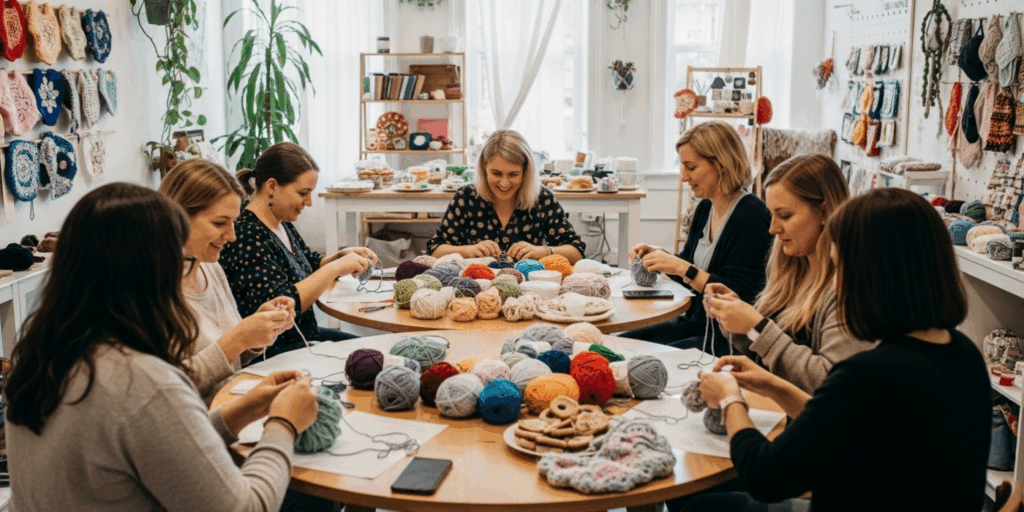
You’ve hosted one workshop. People loved it. Now what?
Don’t wait for them to ask. Plan ahead.
Create a simple “Next Steps” handout:
- “Next week: Learn the single crochet”
- “Bring a friend—your second person gets 50% off!”
- “Join our monthly ‘Stitch & Sip’ night—yarn, wine, no pressure.”
But here’s the secret sauce: give them a sense of belonging.
Start a private Facebook group or WhatsApp chat. Post weekly prompts:
- “Share your favorite yarn color this week!”
- “What’s one thing you’re proud of this month?”
- “Post a pic of your ‘ugly first project’—we all have one.”
Celebrate milestones.
- “Congrats to Maria for finishing her first scarf!”
- “Jamal made his first hat—wearing it to work tomorrow!”
People don’t stay for the crochet. They stay because they feel like they belong.
And if you want to grow? Host a “Crochet Swap.”
Everyone brings one finished item (even a coaster). They trade randomly. It’s fun, low-pressure, and gives people a reason to finish something.
Pro tip: Offer a “Bring a Friend” discount. People are more likely to show up if they’re bringing someone they care about. And when they do? That friend might become your next loyal student.
Turn Your Passion Into Purpose (Without Burning Out)
Let’s talk money.
You don’t need to turn your workshop into a full-time business to make it sustainable.
But you can charge a small fee to cover supplies, space rental, or your time.
Try this:
- $15–$25 per session (depending on location)
- Offer a 5-session “Crochet Starter Pack” for $75 (save $25!)
- Sell affordable starter kits: hook + 1 skein of yarn + stitch marker + printed guide = $20
Use platforms like Eventbrite or Meetup to list your classes. Include photos of smiling faces. Real people. Real yarn. Real joy.
And here’s the most important rule: set boundaries.
You’re not a volunteer. You’re a facilitator. If you’re giving 10 hours a week and feeling drained, scale back. Offer one class a week instead of three. Or host “open studio” hours where people come to work quietly, and you’re just there to answer questions.
Your energy is your currency. Protect it.
And if you ever feel stuck? Reconnect with why you started.
Remember that woman who cried because she finally made a chain without dropping a stitch?
That’s your why.
The Ripple Effect: How One Hook Can Change a Life
I once taught a workshop in a community center in Ohio. A quiet man in his 60s came every week. He never spoke. Just crocheted.
After three months, he brought in a tiny blue hat.
“I made this for my grandson,” he said. “He’s in the hospital. He likes blue.”
That’s it. No fanfare. No photo op.
But that hat? It became his lifeline. His way of saying, “I’m here.”
A year later, he started teaching a weekly session for veterans. With his hook.
That’s the power of crochet.
It doesn’t change the world with grand gestures. It changes it stitch by stitch, person by person, heart by heart.
When you teach crochet, you’re not just giving people a skill.
You’re giving them:
- A place to belong.
- A way to heal.
- A quiet rebellion against a world that tells them they’re not enough.
So go ahead. Light the candles. Pour the tea. Pick up your hook.
And show them—gentle, patient, joyful—that they can make something beautiful… even if it’s messy.
Even if it’s imperfect.
Because that’s the point.
Your Turn: Start Small. Start Now.
You don’t need a studio. You don’t need a degree. You don’t even need to be the best crocheter in town.
You just need to care.
Start with one person. One afternoon. One hook. One ball of yarn.
Invite a friend. A neighbor. Someone who’s been quiet lately.
Say: “Want to make something with your hands? No pressure. Just come.”
Watch what happens.
And when they look down at their first chain and whisper, “I did that…”—you’ll know.
This is more than crochet.
This is connection.
This is magic.
So… what’s your first workshop going to look like?
Drop a comment below: What’s one thing you’ll do differently in your next class? Or share a story about a time crochet changed your life. Let’s build this community—together. 🧶💛
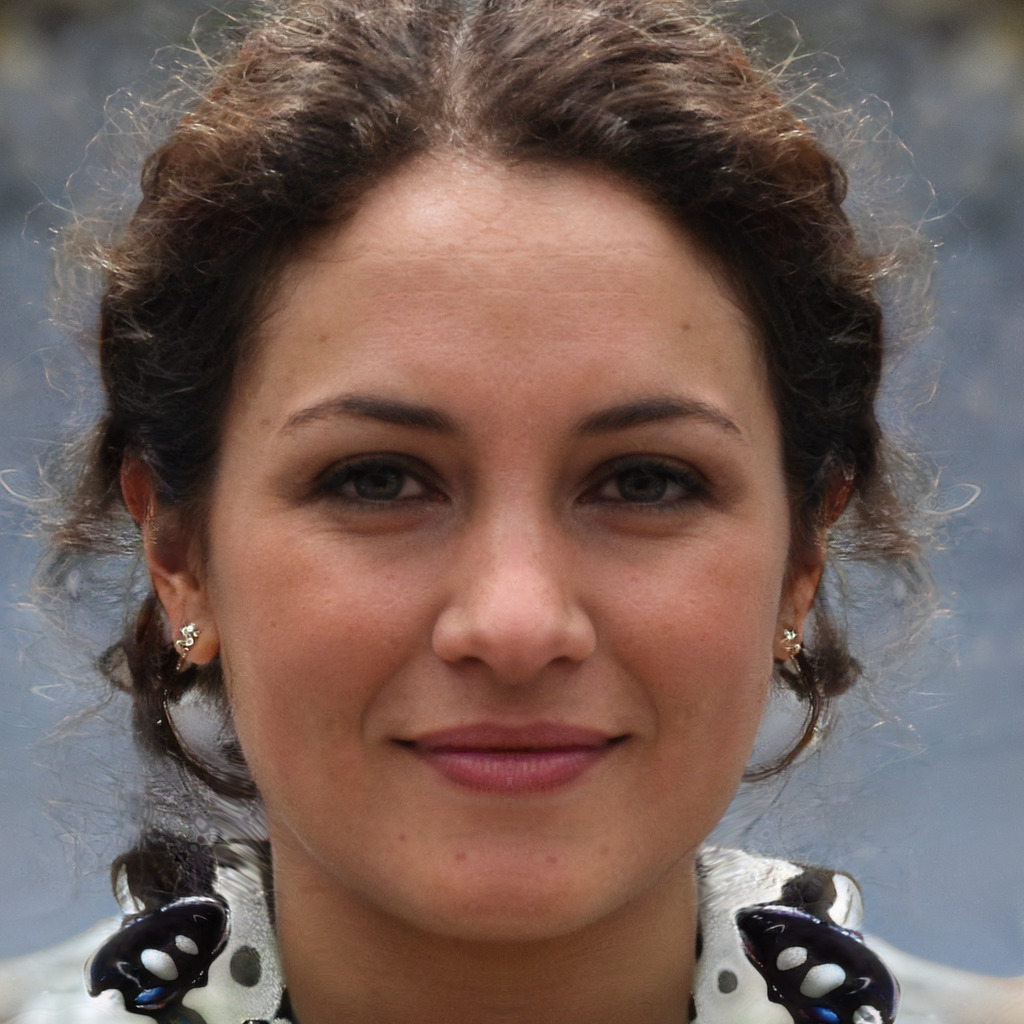
Gabriela Ferreira is a passionate crochet and knitting enthusiast who finds inspiration in every skein of yarn she touches. With a love for color, texture, and handmade detail, she brings creativity and warmth to each project she creates. Gabriela believes that every stitch tells a story, and she enjoys sharing her craft with others who appreciate the beauty of fiber arts.