Introduction
Ever finished a beautiful crochet or knit project—only to watch it pill after one wash, stretch out of shape, or feel scratchy against your skin? You followed the pattern perfectly, but something was off. Chances are, the issue wasn’t your skill—it was the yarn.
Not all yarn is created equal. Behind every soft scarf, durable blanket, and heirloom sweater is a thoughtful choice of high-quality fiber. But with so many labels, price points, and marketing terms like “premium,” “luxury,” or “eco-friendly,” how do you know what’s truly worth your time and money?
In this article, we’ll demystify yarn quality so you can shop with confidence. You’ll learn how to read labels like a pro, what to look (and feel) for in-store or online, and why fiber content matters more than brand name. We’ll also explore the differences between natural and synthetic fibers, share red flags to avoid, and offer practical tips for testing yarn before you commit.
Whether you’re making a gift that lasts or treating yourself to a cozy project, choosing superior yarn ensures your work looks better, lasts longer, and feels amazing. Let’s unravel the secrets to spotting truly great yarn—every single time.
Understanding Fiber Content: The Foundation of Quality
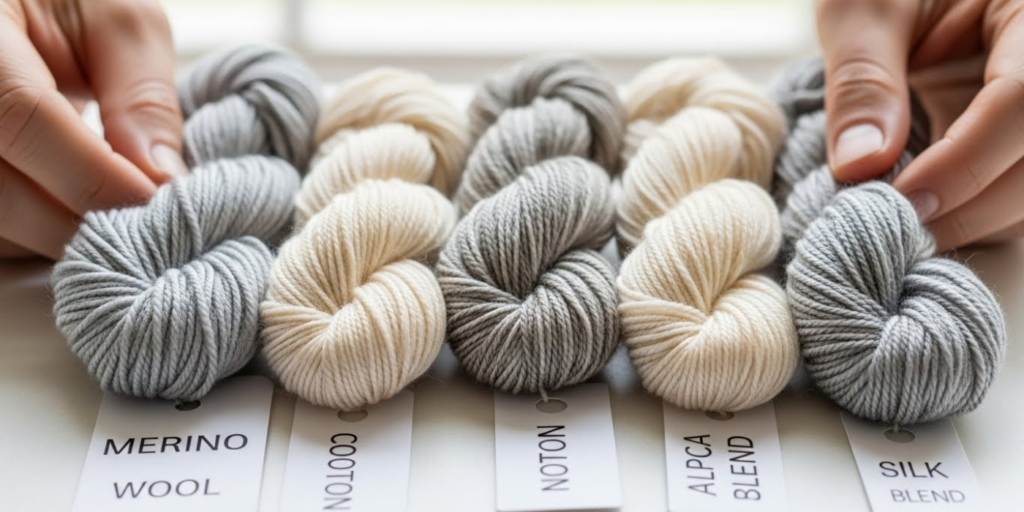
The first step in identifying quality yarn is knowing what it’s made of. Fiber content isn’t just a fine-print detail—it’s the core of how your finished project will behave.
Natural fibers—like wool, cotton, alpaca, silk, and linen—come from animals or plants. They tend to be breathable, biodegradable, and rich in texture. For example, merino wool is prized for its softness and temperature regulation, while long-staple cotton (like Pima or Egyptian) is stronger and less prone to pilling than short-staple varieties.
Synthetic fibers—such as acrylic, nylon, polyester, and rayon—are man-made. They’re often more affordable and consistent in color and weight, but lower-grade synthetics can feel plasticky, trap heat, or shed microfibers.
Blends combine the best of both worlds: wool for warmth and nylon for durability, or cotton for breathability and acrylic for easy care.
Why it matters: A 100% acrylic yarn labeled “soft” might feel okay in the store, but after washing, it could pill or lose shape. On the other hand, a wool-nylon blend used for socks will hold up to wear and tear far better.
Pro tip: Look beyond the front of the label. Flip the skein over—the fiber percentage is legally required to be listed in the U.S. If it’s vague (“acrylic blend” with no percentages), proceed with caution.
Feel, Twist, and Ply: What Your Hands Can Tell You
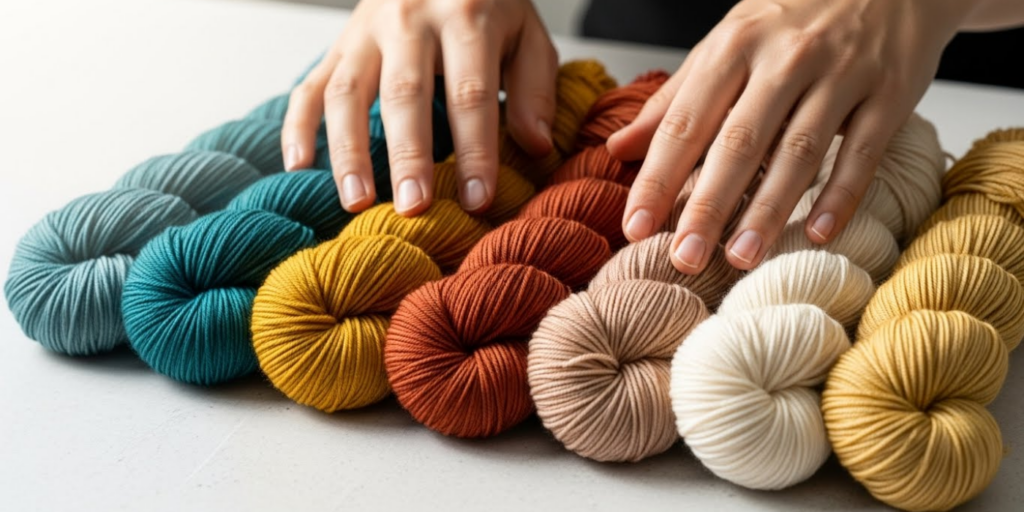
You don’t need a lab to test yarn quality—your hands are powerful tools. When possible, touch the yarn before buying. Here’s what to assess:
1. Hand feel: High-quality yarn should feel consistent—not brittle, greasy, or overly fuzzy (unless it’s a bouclé or eyelash style by design). Scratchy wool? It might be low-grade or poorly processed. Super soft but slippery? It could be over-processed or contain silicone coatings that wash out.
2. Twist: Hold a strand between your fingers and gently pull. Does it hold together, or do fibers snap or separate easily? Good yarn has a balanced twist—tight enough to stay intact, but not so tight it kinks or curls. Under-twisted yarn sheds; over-twisted yarn feels stiff and hard to stitch.
3. Ply: Ply refers to how many individual strands are twisted together. A 2-ply or 4-ply yarn is generally more durable than a single-ply of the same weight because the strands support each other. Single-ply yarns can be lovely for drapey shawls, but they’re prone to pilling in high-friction areas (like sweater cuffs).
Try this: Rub a small section between your palms for 10 seconds. If it instantly pills or fuzzes, it’s likely low quality. Quality fibers stay smooth.
Even when shopping online, read customer reviews for phrases like “holds up well,” “no pilling,” or “soft after washing”—real-world feedback is invaluable.
Reading the Label Like a Pro: Beyond the Pretty Packaging
Beautiful packaging can be deceiving. To spot quality yarn, you need to decode the label like an expert.
Look for these key details:
- Fiber content (e.g., “80% Merino Wool, 20% Nylon”)
- Yardage/meterage (more yards per ounce often = better value and consistency)
- Weight category (Lace, Fingering, Worsted, etc.—standardized by the Craft Yarn Council)
- Dye lot number (critical for color consistency across skeins)
- Care instructions (hand-wash only may indicate delicate fibers; machine-washable blends often include synthetics for stability)
Red flags to watch for:
- No dye lot number (risk of color mismatch)
- Vague terms like “soft yarn” or “premium feel” with no fiber breakdown
- Extremely low yardage for the price (you might be paying for packaging, not product)
- “May bleed” or “color not fast” warnings (unless you enjoy tie-dye surprises)
Bonus tip: Reputable brands often include ethical certifications like GOTS (Global Organic Textile Standard) for organic fibers or RWS (Responsible Wool Standard). These aren’t just feel-good labels—they signal traceability and quality control.
And remember: price isn’t always an indicator. Some budget-friendly yarns (like Lion Brand’s Wool-Ease or WeCrochet’s Brava) offer excellent quality, while some “luxury” lines cut corners with short-staple fibers or excessive chemical processing.
Natural vs. Synthetic: Weighing Performance and Ethics
Choosing between natural and synthetic fibers isn’t just about feel—it’s about how your project will live in the world.
Natural fibers excel in breathability, moisture-wicking, and biodegradability. Wool, for instance, can absorb up to 30% of its weight in moisture without feeling damp—ideal for winter accessories. Linen gets softer with every wash and is incredibly strong.
However, natural fibers can be less consistent (due to variations in animal or crop harvests) and often require hand-washing. They’re also generally more expensive.
Synthetics, on the other hand, offer uniformity, vibrant colors, and easy care. Modern high-end acrylics (like Berroco’s Comfort or Paintbox’s Simply DK) mimic wool’s softness without the itch and are machine-washable—perfect for baby blankets or charity projects.
But cheap synthetics may shed microplastics in the wash and lack breathability, making them less ideal for garments worn close to the skin.
The smart approach? Match fiber to function:
- Socks: Wool-nylon blend (durability + moisture control)
- Summer tops: Cotton, linen, or bamboo (breathable, cool)
- Stuffed toys: Premium acrylic (washable, hypoallergenic)
- Heirloom shawls: Silk or fine merino (drape, luster)
Also consider sustainability. Natural fibers decompose; most synthetics don’t. If eco-impact matters to you, look for recycled fibers (like Re:Blend by WeCrochet) or Tencel (a biodegradable wood-pulp fiber with silky drape).
Testing Yarn Before You Buy (Even Online!)
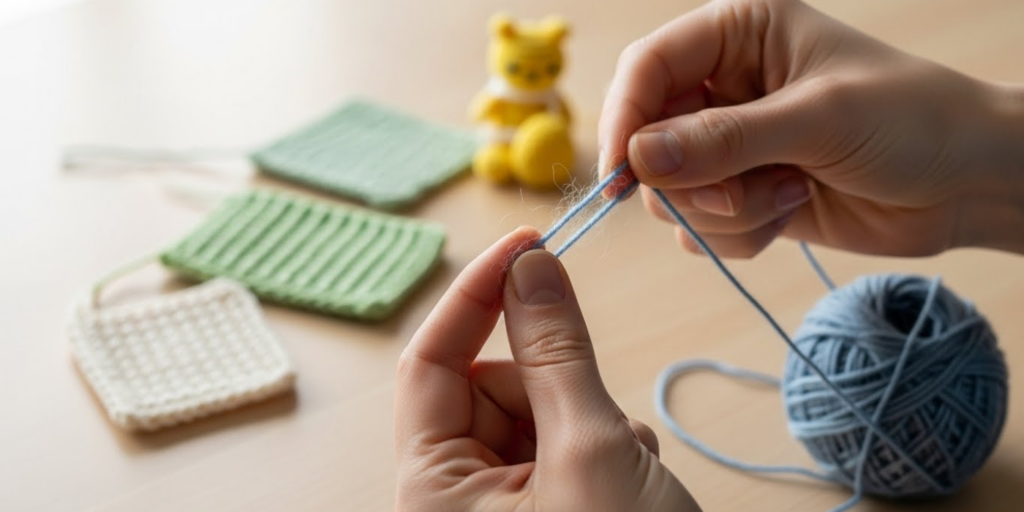
You might not always get to touch yarn before purchasing—especially when ordering online—but you can still minimize risk with smart strategies.
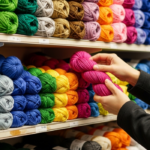
In-store, do a quick test:
- Gently stretch a small section. Does it bounce back? Good elasticity = quality.
- Sniff it. A strong chemical odor may indicate heavy processing.
- Rub two strands together. Excessive pilling = short fibers or poor spinning.
Online, use these tactics:
- Check reviews with photos: Real users often show how yarn looks after blocking or washing.
- Compare yardage per gram: Higher yardage usually means finer, more consistent spinning.
- Stick with trusted indie dyers or established brands known for quality control (e.g., Malabrigo, Cascade, Knit Picks, Lion Brand’s premium lines).
- Order a sample if available—many indie sellers offer mini-skeins.
And if you’re tempted by a mystery bargain bin yarn? Ask yourself: “Is this worth risking 20 hours of my time?” Sometimes, spending a few dollars more saves heartbreak (and frogging) later.
Why Investing in Quality Yarn Pays Off
It’s easy to think, “It’s just yarn—how different can it be?” But the truth is, quality yarn transforms your project—and your experience.
Superior fibers are easier to work with: they glide smoothly on your hook, hold stitch definition, and don’t split. They also age gracefully. A throw made with good wool will look better after years of use, developing a soft patina rather than pilling or thinning.
Moreover, quality yarn honors your time. You invest hours in every stitch—shouldn’t the result last?
Think of it like cooking: you wouldn’t use stale spices for a special dinner. Similarly, your handmade gifts deserve the best foundation.
And there’s an emotional payoff too. Wrapping someone in a blanket made with soft, natural fibers feels like giving a piece of care—not just a craft.
Conclusion
Spotting quality yarn isn’t about brand names or price tags—it’s about understanding fibers, trusting your senses, and matching material to purpose. Whether you choose the cozy resilience of merino wool, the crisp reliability of organic cotton, or a high-performance acrylic blend, informed choices lead to projects you’ll love for years.
We’ve covered how to read labels, feel for twist and ply, compare natural vs. synthetic options, and test yarn even when shopping online. Now, you’re equipped to walk into any yarn shop—or scroll through any website—with confidence.
So next time you’re tempted by a flashy discount bin, pause. Ask: Does this fiber serve my project’s purpose? Will it feel good and last? Your future self—and your handmade heirlooms—will thank you.
Now we’d love to hear from you: What’s the best yarn you’ve ever worked with—and what made it stand out? Share your favorite fiber or a lesson learned the hard way in the comments below. Your tip might help another crocheter or knitter make their next project truly exceptional! 🧶

Gabriela Ferreira is a passionate crochet and knitting enthusiast who finds inspiration in every skein of yarn she touches. With a love for color, texture, and handmade detail, she brings creativity and warmth to each project she creates. Gabriela believes that every stitch tells a story, and she enjoys sharing her craft with others who appreciate the beauty of fiber arts.