Introduction
Ever wonder why your wool sweater pills after one wash, while your cotton dishcloth stays pristine for years? Or why some yarns stretch like rubber bands while others hold their shape like steel? The answer lies not in your hook—but in the fiber itself.
Yarn isn’t just “string for stitching.” It’s a complex material shaped by chemistry, structure, and origin. Whether it comes from a sheep’s back, a eucalyptus tree, or a petroleum refinery, every fiber has unique properties that affect how your finished project looks, feels, and performs over time.
In this article, we’ll pull back the curtain on the science behind yarn fibers. You’ll learn how natural, synthetic, and plant-based fibers differ in strength, elasticity, warmth, and care—and how to choose the right yarn for every project based on real-world performance, not just pretty labels. We’ll also share practical tips for avoiding common pitfalls (like shrinking, fading, or sagging) and making your makes last longer.
Understanding fiber science won’t just make you a better crocheter—it’ll make you a smarter shopper and a more intentional maker. So let’s dive into the fascinating world hidden inside every skein.
Natural Animal Fibers: Warmth, Elasticity, and Character
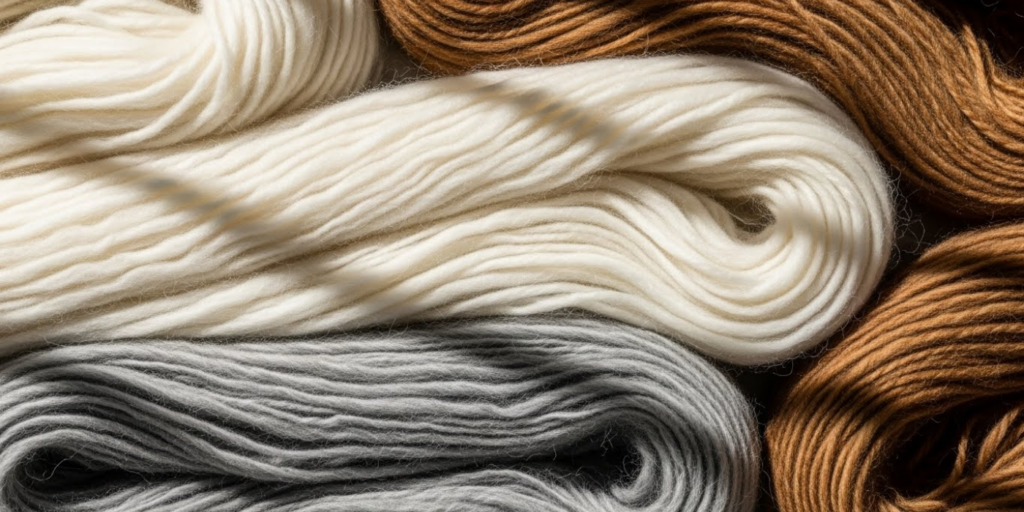
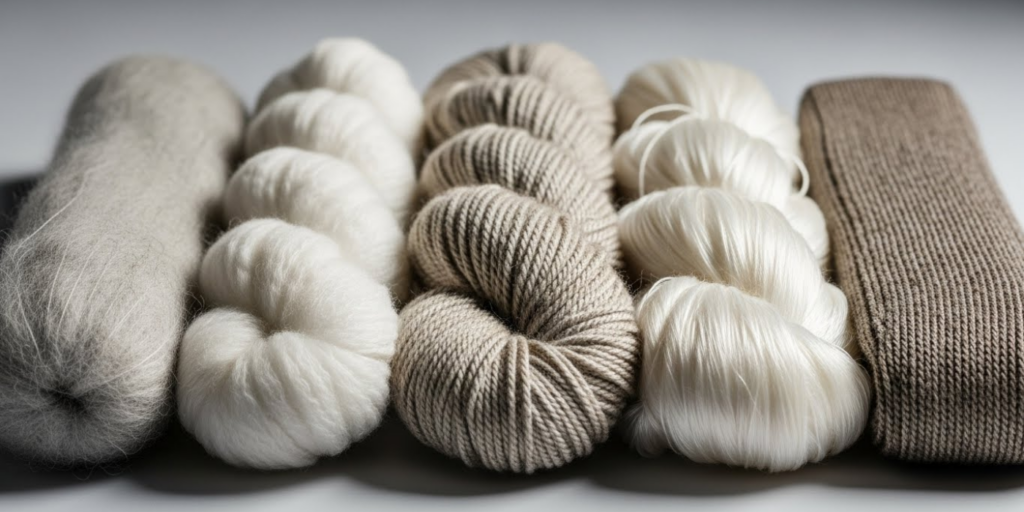
When we think of “premium” yarn, many of us picture soft, lofty wool—and for good reason. Animal fibers like wool, alpaca, cashmere, and mohair come from protein-based keratin, the same substance in human hair and nails. This gives them unique performance traits.
Wool, for instance, is naturally elastic, water-resistant, and temperature-regulating. Its crimped structure traps air, creating insulation that keeps you warm in winter and cool in summer. Plus, wool can absorb up to 30% of its weight in moisture without feeling damp—ideal for socks or baby blankets.
Alpaca is softer and silkier than wool, with a smoother surface that resists pilling. However, it lacks wool’s “memory,” meaning alpaca garments can stretch out over time if not blended with elastic fibers.
Cashmere and mohair offer luxury-level softness and sheen but are delicate and prone to abrasion. They’re best for low-wear items like shawls or decorative pillows.
Important note: Most animal fibers felt (shrink and mat) when exposed to heat, agitation, and soap. Always hand-wash in cool water unless labeled “superwash”—a chemical treatment that removes wool’s scales to prevent felting.
By understanding these traits, you can match fiber to function: wool for socks, alpaca for drapey cowls, cashmere for heirloom gifts.
Plant-Based Fibers: Breathability, Strength, and Sustainability
While animal fibers excel in warmth, plant-based fibers like cotton, linen, bamboo, and hemp shine in coolness, durability, and eco-friendliness. These cellulose-based yarns come from renewable sources and are often biodegradable—making them a favorite among eco-conscious crafters.
Cotton is the most common plant fiber in crochet. It’s strong when wet, breathable, and holds stitch definition beautifully—perfect for dishcloths, market bags, and summer tops. However, it has almost no elasticity, so garments can sag over time unless blended with spandex or acrylic.
Linen, made from flax, starts stiff but softens beautifully with washing. It’s incredibly strong (even stronger than cotton when wet!) and highly absorbent. Linen projects drape elegantly but can be tough on the hands—try using a wooden hook to reduce friction.
Bamboo yarn feels silky and has a lovely sheen, but many “bamboo” yarns are actually rayon/viscose—chemically processed from bamboo pulp. While soft and drapey, they’re less durable and can stretch if not cared for properly.
Hemp is a rising star: naturally antimicrobial, UV-resistant, and gets softer with use. It’s ideal for durable, long-lasting items like totes or home decor.
Pro tip: Always check the fiber content label. A “100% cotton” dishcloth will hold up better than a cotton-acrylic blend in hot water.
Synthetic Fibers: Affordability, Consistency, and Versatility
Don’t dismiss synthetic fibers like acrylic, nylon, polyester, or polyamide just because they’re man-made. In fact, they offer unmatched consistency, affordability, and performance for many everyday projects.
Acrylic is the most widely used synthetic yarn. It’s hypoallergenic, machine-washable, colorfast, and budget-friendly—making it ideal for blankets, charity projects, or kids’ wear. Modern high-quality acrylics (like those labeled “premium” or “anti-pilling”) mimic wool’s softness without the price tag or care demands.
Nylon is rarely used alone but often blended with other fibers to add strength and elasticity. You’ll find it in sock yarns (for durability) and novelty yarns (for stretch).
Polyester offers excellent wrinkle and fade resistance. It’s commonly used in ombre or gradient yarns because dyes bond permanently to its surface.
One major advantage of synthetics? Predictability. Unlike natural fibers that vary by season or animal, synthetic yarns perform the same batch after batch. That consistency is a huge plus for large or repeatable projects.
However, synthetics don’t breathe as well as natural fibers and can retain odors. They’re also derived from non-renewable petroleum, so eco-impact is a consideration.
Still, when used intentionally—like acrylic for a washable baby blanket or nylon-blend for hiking socks—synthetics are practical powerhouses.
Blends: The Best of Both Worlds (When Done Right)
Most commercial yarns aren’t 100% one fiber—they’re blends designed to balance strengths and minimize weaknesses. A smart blend can give you softness and durability, drape and structure, or luxury and affordability.
Common examples:
- Wool + Nylon: Adds strength to socks (e.g., 75% wool, 25% nylon).
- Cotton + Acrylic: Gives cotton elasticity while keeping it machine-washable.
- Alpaca + Silk: Boosts sheen and drape while reducing stretch.
- Bamboo + Cotton: Softness meets absorbency for spa-like towels.
But not all blends are equal. A “20% wool, 80% acrylic” yarn will behave more like acrylic than wool. Always consider which fiber dominates—it dictates care, drape, and durability.
Golden rule: If a project needs to withstand heavy use or frequent washing, look for blends with 20–30% synthetic fiber for reinforcement. For luxury or breathability, prioritize natural fiber dominance (70%+).
Also, swatch! Blends can surprise you—some pill, some stretch, some bloom beautifully after blocking. A 4×4-inch test square saves hours of heartbreak later.
How Fiber Affects Your Crochet Experience (Beyond the Finished Look)
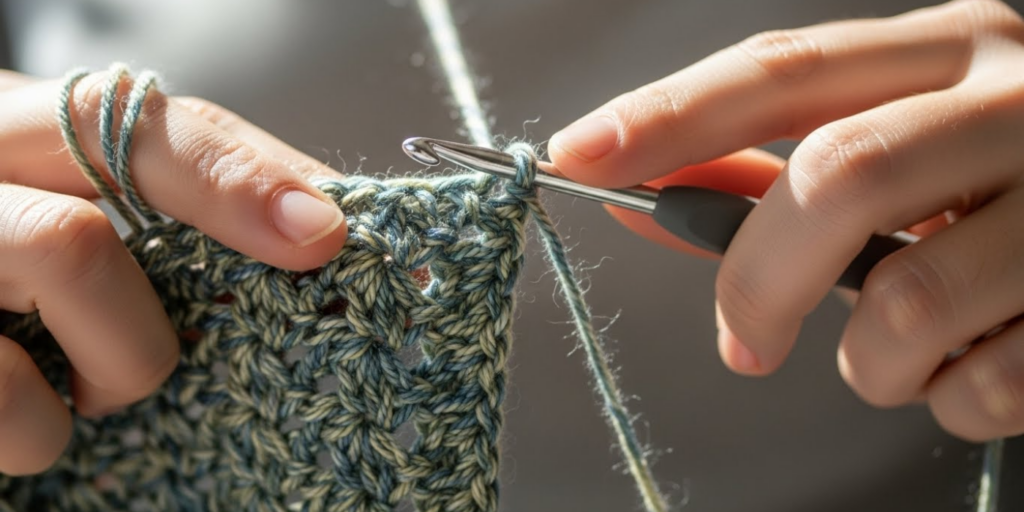
Fiber doesn’t just influence how your project performs—it shapes your crocheting experience itself.
- Stitch definition: Cotton and linen show off intricate stitches; lofty wool can blur details.
- Hand fatigue: Stiff linen or rough hemp may tire your hands faster than soft acrylic or merino.
- Hook glide: Silk or bamboo yarns slide easily; matte cotton or wool may “grab” your hook.
- Blocking results: Wool can be aggressively blocked into shape; acrylic barely responds.
Real-life example: You’re making a lace shawl. Choose wool or silk if you want it to hold dramatic openwork after blocking. Choose cotton if you prefer crisp, stable geometry. Choose acrylic only if machine-washability is non-negotiable—but know it won’t drape like natural fibers.
Understanding these nuances helps you anticipate challenges and choose tools wisely (e.g., bamboo hooks for slippery yarns, steel hooks for tight stitches).
Care, Longevity, and Environmental Impact: Making Informed Choices
Your yarn choice echoes beyond the first stitch. Consider long-term care and planet impact:
- Wool and silk require gentle hand-washing but last decades if cared for.
- Cotton and linen tolerate hot water but may shrink or fade.
- Acrylic won’t shrink but can pill and contributes to microplastic pollution in waterways.
- Bamboo (as rayon) involves harsh chemical processing—look for OEKO-TEX or FSC-certified options if sustainability matters to you.
Did you know? Washing synthetic garments releases microplastics into oceans. Using a Guppyfriend bag or Cora Ball in your laundry can capture up to 90% of these fibers.
Meanwhile, natural fibers like cotton or wool biodegrade in months to years under the right conditions—unlike synthetics, which persist for centuries.
Practical takeaway: Match your fiber to your lifestyle. If you hate hand-washing, don’t buy non-superwash wool. If you’re gifting to a college student, acrylic might be kinder than delicate cashmere.
Conclusion
Yarn is far more than a string—it’s a material with memory, personality, and purpose. By understanding the science behind fiber properties—elasticity, absorbency, strength, care needs—you move from guessing to confident, intentional crafting.
Whether you choose wool for warmth, cotton for clarity, acrylic for convenience, or a clever blend for balance, your projects will not only look better but perform better and last longer. And when you factor in environmental impact and personal values, your making becomes not just creative—but conscious.
So next time you’re at the yarn shop or browsing online, don’t just fall for the color. Flip the label. Read the fiber content. Ask: What does this material do best? Then let that knowledge guide your hook.
Now we’d love to hear from you: What’s your go-to fiber for everyday projects? Have you ever been surprised by how a yarn performed (good or bad)? Share your stories or questions in the comments—let’s learn from each other’s fiber adventures!

Gabriela Ferreira is a passionate crochet and knitting enthusiast who finds inspiration in every skein of yarn she touches. With a love for color, texture, and handmade detail, she brings creativity and warmth to each project she creates. Gabriela believes that every stitch tells a story, and she enjoys sharing her craft with others who appreciate the beauty of fiber arts.