Introduction
Have you ever followed a crochet pattern to the letter—only to end up with a sweater that fits your coffee table instead of your torso? If so, you’ve likely run into the silent culprit behind many handmade mishaps: gauge.
Gauge might sound like a technical term reserved for seasoned crafters, but in truth, it’s one of the most essential concepts for anyone serious about creating wearable, usable, and beautiful crochet projects. Simply put, gauge is the number of stitches and rows per inch that you get when crocheting with a specific yarn and hook size. Getting it right can mean the difference between a perfectly fitted cardigan and a lopsided blanket masquerading as one.
In this article, we’ll demystify crochet gauge—what it is, why it truly matters, and exactly how to measure it with confidence. Whether you’re a beginner just learning to hold a hook or an experienced crocheter looking to refine your process, understanding gauge will elevate your projects and save you hours of frustration. You’ll learn how to swatch like a pro, adjust your tension, and even troubleshoot common gauge issues. Let’s dive in and turn those misfit garments into masterpieces—one stitch at a time.
What Is Crochet Gauge—and Why Should You Care?
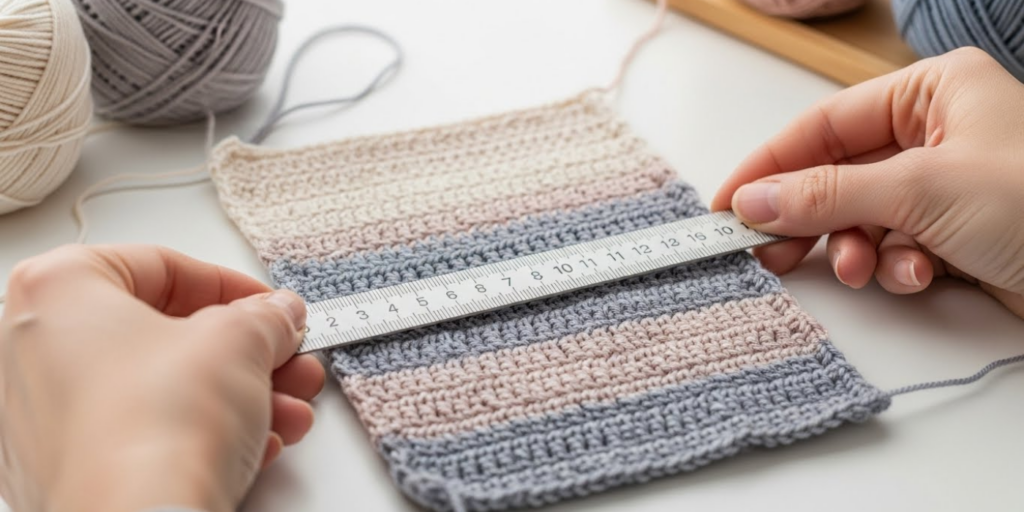
At its core, crochet gauge refers to how tightly or loosely you crochet. It’s measured by counting how many stitches and rows fit into a 4-inch (10 cm) square using a particular yarn and hook. Every pattern includes a recommended gauge because designers have tested their instructions to produce a specific result—say, a medium-sized tunic or a baby blanket that measures exactly 30×40 inches.
Why does this matter? Imagine two crocheters using the exact same pattern, yarn, and hook size. One works loosely; the other crochets tightly. Their finished pieces will differ significantly in size and drape—even though they followed the same directions. That’s because crochet is deeply personal. Your hand tension, mood, even the time of day can subtly influence your stitch size.
Ignoring gauge might not seem like a big deal for a scarf or a dishcloth, but for fitted garments like sweaters, hats, or socks, it’s non-negotiable. A difference of just one stitch per inch over a 40-inch bust can result in a garment that’s 4 inches too small or too large—enough to render it unwearable.
Think of gauge as the foundation of your crochet project. Just as a house built on an uneven foundation will lean or crack, a garment made without checking gauge is likely to disappoint. The good news? Getting it right is simpler than you think—and well worth the extra five minutes of swatching.
How to Measure Your Gauge Accurately
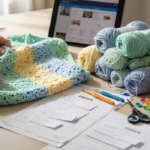
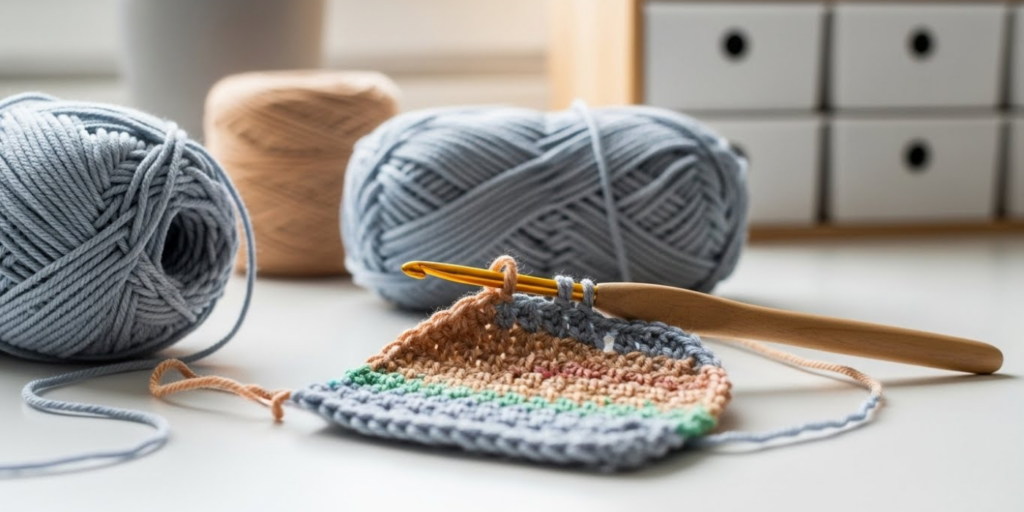
Measuring gauge starts with making a gauge swatch—a small sample of the stitch pattern used in your project. Here’s how to do it properly:
- Use the recommended yarn and hook size from your pattern.
- Crochet a square at least 5×5 inches (larger is better—edges can curl or stretch).
- Work in the same stitch pattern as your project (e.g., single crochet, double crochet, or a lace repeat).
- Block your swatch if the finished item will be blocked (many garments are). Washing and drying your swatch mimics how the final piece will behave.
- Lay your swatch flat on a smooth surface. Use a ruler or a gauge measuring tool (available at most craft stores).
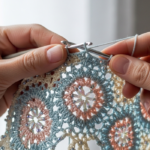
- Count stitches across 4 inches horizontally and rows vertically over 4 inches.
Pro Tip: Don’t measure right from the edge—start about an inch in to avoid skewed results from loose foundation chains.
If your swatch matches the pattern’s gauge (e.g., “16 stitches and 18 rows = 4 inches in single crochet”), you’re golden! But if your swatch is too small (more stitches per inch), your tension is too tight—try a larger hook. If it’s too big (fewer stitches per inch), your tension is loose—switch to a smaller hook.
Remember: Hook size is a suggestion, not a rule. Many crocheters—especially those with naturally tight or loose tension—regularly go up or down a size (or two!) to achieve the correct gauge. Your finished piece will thank you.
Common Gauge Mistakes (and How to Avoid Them)
Even seasoned crocheters can fall into gauge traps. Here are three common pitfalls—and how to sidestep them:
1. Skipping the swatch
It’s tempting to jump right into your project, especially when you’re excited. But skipping the swatch is like baking a cake without preheating the oven—you might get something, but it won’t be what you envisioned. Always swatch for garments, accessories with specific sizing, or any project where fit matters.
2. Measuring an unblocked swatch
Some yarns—especially wool or cotton—relax or shrink after washing. If your final garment will be washed (and most will be!), your swatch should be too. Wash and dry your swatch the same way you plan to care for your finished item.
3. Using a tiny swatch
A 2×2-inch swatch might seem sufficient, but small samples amplify errors at the edges. Plus, it’s harder to get an accurate count over a small area. Aim for 5×5 inches minimum—it gives you room to measure in the center, away from curling borders.
Another subtle issue? Inconsistent tension throughout a project. Maybe you’re relaxed on Sunday morning but tense after a long workday. Your gauge can shift without you noticing. If you’re working on a large garment over several weeks, make a new swatch periodically to check consistency.
By avoiding these mistakes, you’ll not only improve your gauge accuracy but also build confidence in tackling more complex, tailored projects.
Adjusting Your Tension: It’s Not Just About the Hook
While changing your hook size is the most common way to fix gauge issues, your tension—how tightly you hold and work the yarn—is equally important. And yes, tension can be adjusted with practice.
If your stitches are too tight:
- Try loosening your grip on the yarn.
- Use a bamboo or wooden hook (they’re less slippery than metal).
- Consciously relax your shoulders and hands while crocheting.
- Consider ergonomic hooks designed to reduce strain.
If your stitches are too loose:
- Hold the yarn closer to the hook for more control.
- Practice “yarn-over” motions slowly to create consistent loops.
- Switch to a smooth metal hook for better stitch definition.
You can also train your tension through mindful practice. Try crocheting swatches using only single crochet, focusing on making each stitch identical in height and width. Over time, your muscle memory will improve, and your natural gauge will become more consistent.
Keep in mind: There’s no “right” tension. Some people naturally crochet tightly; others loosely. The goal isn’t to force yourself into a mold—it’s to understand your own style and adapt your tools accordingly. Your unique touch is part of what makes handmade items special—but pairing that with accurate gauge ensures your creations are both beautiful and functional.
Real-World Impact: How Gauge Affects Finished Projects
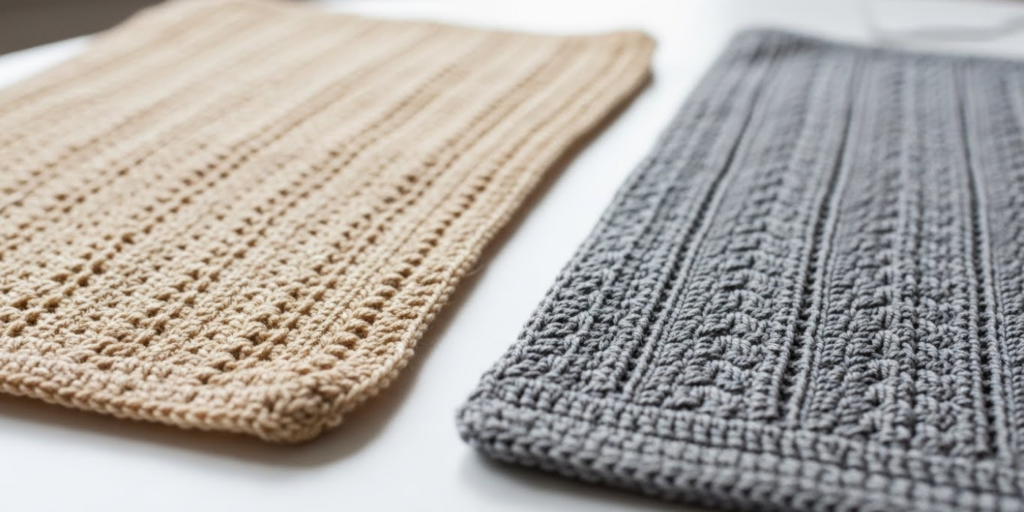
Let’s bring this home with a real example. Suppose you’re making a crocheted beanie for a friend. The pattern calls for 18 stitches = 4 inches in half-double crochet. You skip the swatch and dive in.
Because your natural tension is loose, you end up with only 16 stitches per 4 inches. The hat’s circumference, which should be 20 inches, balloons to 22.5 inches—big enough to fit a basketball. Not quite the cozy gift you imagined.
Now imagine a crocheted baby blanket where gauge affects drape and warmth. Too loose, and the blanket becomes gauzy and drafty. Too tight, and it’s stiff and uncomfortable against delicate skin.
Or consider designing your own patterns. Without understanding your personal gauge, your written instructions won’t be replicable by others. Gauge is the bridge between your creative vision and someone else’s hands.
Even in non-wearable projects, gauge influences yarn usage. A looser gauge uses more yarn per inch—meaning you might run out halfway through a shawl. A tighter gauge uses less, possibly leaving you with leftover skeins.
In short: gauge impacts size, fit, drape, yarn consumption, and usability. Ignoring it doesn’t just risk aesthetics—it can undermine the very purpose of your project.
Final Thoughts: Embrace the Swatch as Your Secret Weapon
In a craft often celebrated for its improvisation and creativity, gauge might feel like an unwelcome rule. But think of it not as a constraint, but as a tool for empowerment. It gives you control over your outcome. It builds trust between you and your pattern. And it transforms guesswork into precision—without sacrificing your personal style.
The next time you start a new project, resist the urge to skip the swatch. Instead, lean into it. Treat it as a moment of mindfulness, a mini meditation in loops and rhythm. You might even discover new things about your technique or your yarn.
And remember: even professional designers swatch. If they need to check their gauge, so do you—and that’s not a sign of inexperience. It’s a mark of a thoughtful, intentional maker.
So go ahead—grab your yarn, your favorite hook, and a few minutes of quiet time. Make that swatch. Your future self (and anyone wearing or using your creation) will thank you.
Conclusion
Understanding crochet gauge isn’t about perfection—it’s about precision with purpose. As we’ve explored, gauge affects everything from the size of a sweater to the drape of a shawl, and mastering it ensures your handmade pieces look and feel exactly as intended. By learning to measure your gauge accurately, adjust your tools and tension, and avoid common pitfalls, you’ll unlock a new level of confidence in your crochet journey.
Whether you’re making gifts, selling your creations, or simply enjoying the rhythm of the hook, taking the time to check your gauge is an act of care—for your craft, your materials, and the people who will use what you’ve made.
So before you cast on your next project, ask yourself: Have I swatched? If not, now’s the perfect time to start.
We’d love to hear from you! Have you ever had a “gauge disaster” that turned into a learning moment? Or do you have a favorite tip for getting gauge just right? Share your stories in the comments below—your experience might be the lightbulb moment another crocheter needs!
Gabriela Ferreira is a passionate crochet and knitting enthusiast who finds inspiration in every skein of yarn she touches. With a love for color, texture, and handmade detail, she brings creativity and warmth to each project she creates. Gabriela believes that every stitch tells a story, and she enjoys sharing her craft with others who appreciate the beauty of fiber arts.