Introduction
There’s something quietly magical about holding a doily crocheted by your grandmother—its intricate lace, slightly yellowed with time, yet still perfectly symmetrical. Or flipping through a 1950s pattern booklet and finding a swingy summer dress design that feels surprisingly fresh today. Vintage crochet patterns aren’t relics—they’re reservoirs of creativity waiting to be rediscovered.
In an age of fast fashion and mass-produced decor, returning to these timeless designs offers more than nostalgia. It’s a chance to slow down, connect with craft history, and create pieces with soul, durability, and individuality. From delicate Irish lace to bold 1970s granny squares, vintage patterns bring texture, elegance, and storytelling to modern projects.
In this article, we’ll explore why vintage crochet remains relevant, how to find and decode old patterns, ways to adapt them for today’s tastes and materials, and tips for honoring their legacy while making them your own. Whether you’re a history lover, a sustainability advocate, or simply someone who appreciates handmade beauty, you’ll find inspiration (and practical guidance) for weaving the past into your present hooks.
So dust off that attic box—or click open that digital archive—and let’s stitch together yesterday and today.
Why Vintage Crochet Patterns Still Matter Today
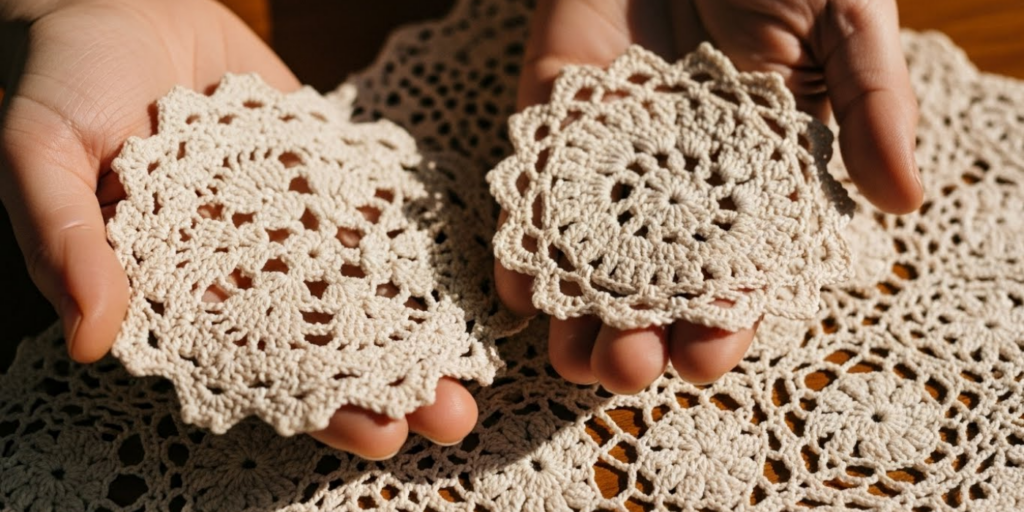
It’s easy to assume that “old” means “outdated,” but vintage crochet tells a different story. Many mid-century designs were created with intention, durability, and resourcefulness—values that resonate deeply in our current push toward slow fashion and mindful making.
Consider this: a 1940s bedspread pattern used one ball of thread to create a stunning heirloom through clever geometry and repetition. Compare that to today’s throwaway decor—and you begin to see the wisdom in these older approaches. Vintage patterns often maximize impact with minimal materials, a skill worth reviving in a world facing climate and waste challenges.
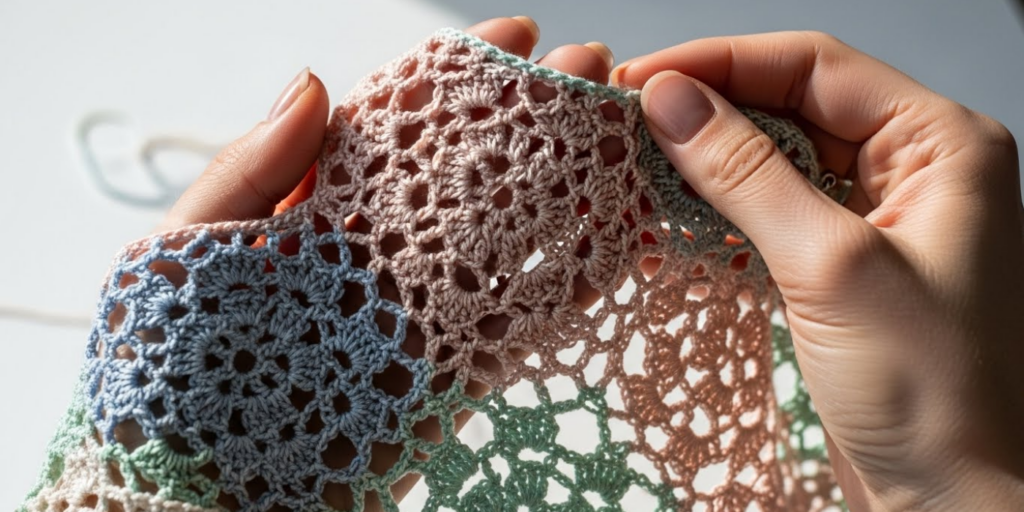
Moreover, the aesthetic of vintage crochet—whether it’s the romantic florals of the Edwardian era or the psychedelic color blocks of the 1970s—adds character and uniqueness to modern spaces. A reworked 1950s baby bonnet can become a stylish photo prop. A classic pineapple lace motif can elevate a contemporary shawl.
Beyond style, working with vintage patterns builds technical skill. Older instructions assume knowledge of foundational stitches and shaping, pushing crocheters to read between the lines and develop intuition. In doing so, you don’t just follow a pattern—you converse with the hands that wrote it decades ago.
As a result, vintage crochet isn’t just about replication—it’s about reclamation: of craft knowledge, feminine labor (much of which was historically undervalued), and sustainable design principles.
Finding and Understanding Vintage Patterns
You don’t need to haunt antique shops to find vintage crochet patterns—though that’s certainly one charming option! Today, hundreds of thousands of historical patterns are freely available online, preserved by libraries, museums, and passionate crafters.
Top sources include:
- Ravelry’s vintage pattern database (filter by decade or publisher)
- The Vintage Pattern Archive (free PDF scans of 1920s–1980s booklets)
- Etsy (for original booklets or curated digital collections)
- Public domain sites like Archive.org and the Library of Congress
But once you find a pattern, decoding it can be tricky. Terminology has changed: what was once called a “double stitch” might now be a “treble,” and abbreviations vary widely. Plus, many vintage patterns omit gauge, hook size, or even yarn weight—expecting the maker to “know” or adapt.
Here’s how to approach them:
- Identify the era. 1930s–40s patterns use fine thread and dense lace; 1970s designs favor bulky yarn and bold motifs.
- Cross-reference stitches. Use a vintage-to-modern stitch converter chart (many are free online).
- Swatch generously. Since yarns have changed, always test your chosen yarn with the pattern’s stitch repeat.
- Read the entire pattern first. Older instructions often bury key shaping details in paragraph form—not bullet points.
Pro tip: Look for patterns published by Coats & Clark, Columbia-Minerva, or Butterick—they were industry leaders and tend to have clearer instructions.
Adapting Vintage Patterns for Modern Use
A direct copy of a 1920s table centerpiece might not fit your minimalist apartment—but with thoughtful adaptation, its essence can shine in new forms.
Start by asking:
- What’s the core motif? (e.g., a shell, a star, a cable)
- What was its original function? (edging, garment, home decor)
- How can I repurpose it?
For example:
- Turn a vintage collar pattern into a delicate necklace by using size 20 thread and metallic yarn.
- Scale up a 1950s doily into a wall hanging using cotton rope and a large hook.
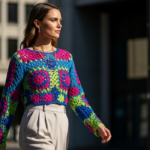
- Combine 1970s granny square color palettes (mustard, avocado, rust) with modern oversized silhouettes for a boho sweater.
Material swaps are key. Many vintage patterns call for now-discontinued yarns like “fingering wool” or “bedspread cotton.” Substitute with:
- Modern mercerized cotton (e.g., DMC or Scheepjes) for lace projects
- Bamboo or linen blends for drape and breathability in garments
- Recycled cotton for eco-friendly home goods
Also, adjust sizing. Vintage women’s garments were often smaller. Add extra repeats or use a larger hook to fit contemporary bodies—without losing the design’s spirit.
Most importantly: don’t fear modification. These patterns were meant to be used, not preserved behind glass. Your adaptation is part of their living history.
Honoring Craft Heritage While Avoiding Cultural Pitfalls
While reviving vintage crochet is beautiful, it’s worth reflecting on whose hands made these traditions possible—and who got credit.
Much of 20th-century “domestic” crochet was created and shared by women whose work was dismissed as “just hobbies.” Meanwhile, intricate techniques like Irish crochet lace or African bead-looping were often extracted, commercialized, and stripped of cultural context.
So as you explore vintage patterns:
- Credit sources when sharing your makes online
- Learn the origins of techniques (e.g., filet crochet traces back to 19th-century France, but similar netting exists in many cultures)
- Avoid “ethnic” pattern labels from old booklets that stereotype or misrepresent traditions
- Support living artisans who preserve heritage stitches today
This mindful approach turns nostalgia into respectful celebration. You’re not just copying a pattern—you’re participating in a global, intergenerational dialogue of making.
And remember: you’re adding your own chapter. The sweater you adapt from a 1960s booklet, stitched while listening to a podcast or caring for your kids, becomes part of the story too.
Creative Ways to Use Vintage-Inspired Crochet Today
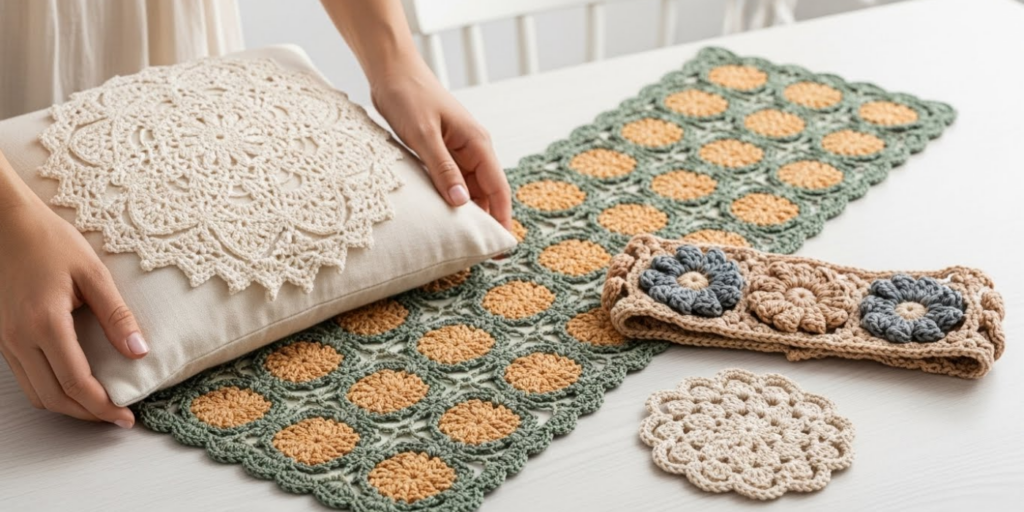
You don’t need to recreate an entire 1940s trousseau to enjoy vintage designs. Small, thoughtful integrations can breathe new life into everyday objects.
Try these ideas:
- Home accents: Frame a mini doily as wall art, or stitch vintage edging onto pillowcases.
- Fashion hybrids: Add a retro lace yoke to a plain linen dress, or line a denim jacket with filet crochet panels.
- Gifts with meaning: A baby blanket made from a 1950s pattern carries emotional weight far beyond store-bought wraps.
- Slow decor: Crochet a set of coasters using a 1930s geometric motif—functional, beautiful, and plastic-free.
For makers on social media, #VintageCrochet and #SlowStitch communities are thriving. Sharing your modernized makes not only inspires others but helps keep these designs in circulation—ensuring they’re not lost to time.
And if you’re teaching crochet? Introduce beginners to a simple vintage granny square. It’s a gentle way to connect new hands with old wisdom.
The Timeless Thread That Connects Us
At its heart, vintage crochet is about continuity. Every loop you pull echoes a thousand others made before you—by grandmothers saving scraps during the Depression, by women stitching hope into wedding trousseaus, by anonymous designers whose names faded but whose stitches endure.
Bringing back these patterns isn’t about living in the past. It’s about choosing depth over speed, craftsmanship over consumption, and connection over convenience. In each row, you honor those who came before—and leave something equally meaningful for those who follow.
So whether you’re drawn to the romance of Edwardian lace or the bold joy of disco-era afghans, know this: your hook is a bridge across time. And every stitch you make in a vintage pattern is a quiet act of preservation, reinvention, and love.
Conclusion
Vintage crochet patterns offer far more than aesthetic charm—they provide sustainable design wisdom, technical challenges, and emotional resonance. From understanding historical terminology to adapting silhouettes for modern life, working with these patterns deepens your craft while connecting you to a rich legacy of makers.
We’ve explored why these designs remain relevant, how to find and interpret them, ways to update materials and sizing, and the importance of approaching them with cultural awareness. Most of all, we’ve seen how vintage crochet can live vibrantly in today’s world—not as museum pieces, but as living, evolving creations.
Now, it’s your turn. Flip through an old pattern booklet, visit a digital archive, or revisit a family heirloom. Ask: What story does this want to tell today? Then pick up your hook and help it speak.
We’d love to hear from you! Do you have a favorite vintage crochet pattern? Have you modernized a retro design? Share your projects, questions, or discoveries in the comments below—and don’t forget to share this article with a fellow crocheter who treasures the beauty of timeless stitches.

Gabriela Ferreira is a passionate crochet and knitting enthusiast who finds inspiration in every skein of yarn she touches. With a love for color, texture, and handmade detail, she brings creativity and warmth to each project she creates. Gabriela believes that every stitch tells a story, and she enjoys sharing her craft with others who appreciate the beauty of fiber arts.